Introduction
The day active cancer treatment ends can feel strangely quiet. For weeks or months, life may have revolved around appointments, scans, and side‑effect management. Then the last infusion finishes, the nurse smiles, and a new question moves in where fear once sat — what happens now.
When we talk about Beyond Treatment: Holistic Nutrition for Cancer Recovery in 2025, we are really talking about that in‑between space. Medical care focuses on shrinking or removing tumors. Holistic nutrition asks how to help the whole person heal. It looks at food not only as calories, but as information the body uses to repair tissues, calm inflammation, and support mood and thinking.
Modern research in epigenetics adds an encouraging layer. Many experts estimate that only a small fraction of cancers are caused purely by inherited genes. The rest relate to how genes respond to everyday life — food, movement, sleep, stress, and relationships. This never means anyone caused their cancer. It means that from this point forward, daily choices can send kinder signals to your cells.
“Eating well during cancer treatment can help you feel better and stay stronger.” — American Cancer Society
At Calming the Mind of Cancer, we sit at the meeting point of ancient spiritual practice and modern nutritional science. We understand the research, and we also understand the 3 a.m. worry, the fatigue, and the need for gentle guidance rather than strict rules. In this article, we walk through practical ways to use food as a healing tool, share what current research suggests for 2025, clear up common myths, and show how nutrition, mindfulness, and lifestyle can support long‑term recovery.
This is not about perfection. It is about giving the body, mind, and spirit steady support — one meal and one breath at a time.
Key Takeaways
-
Holistic nutrition cares for the whole person, not just the cancer. It supports the body with healing foods and also cares for mood, sleep, and spiritual needs. When these areas work together, many people notice better energy, steadier emotions, and fewer day‑to‑day struggles with side effects.
-
Epigenetic research shows that lifestyle choices, especially nutrition, can strongly influence cancer outcomes. Food is not a cure and never replaces medical treatment, but it can support recovery at every stage. Different phases of care call for different nutrition goals, and science is giving clearer guidance on each phase.
-
Misinformation about cancer and food is common. Some myths can even cause harm or interfere with treatment. Calm, science‑based advice — paired with small daily changes in eating patterns, stress reduction, and mindfulness support from Calming the Mind of Cancer — can add up to deep, long‑term benefits.
What Holistic Nutrition Means For Your Cancer Recovery Path
When most people hear the word “nutrition,” they think of vitamins, calories, or whether a food is labeled healthy or unhealthy. Holistic nutrition goes much further. It views every meal as part of a wider healing picture that includes emotions, thoughts, spiritual life, relationships, and the physical body.
In cancer recovery, this means we do not only ask how to eat to lower risk or support treatment. We also ask how food choices affect sleep, mood, pain levels, and the nervous system. A warm soup on a hard day, a simple smoothie when chewing is difficult, or a shared family meal that brings laughter can all play a part in healing.
Holistic nutrition also fits within lifestyle medicine. Food, movement, stress management, sleep, and social connection work together. When these areas line up, the body is better able to repair damaged tissue, calm inflammation, and support the immune system during and after treatment.
At Calming the Mind of Cancer, we add another layer: meditation, breathing exercises, and gentle spiritual practices. Eating well becomes part of a calmer way of living, not another task on an already full list. This is how Beyond Treatment: Holistic Nutrition for Cancer Recovery in 2025 comes to life — not as a rigid meal plan, but as a compassionate way of caring for the whole person that can lower recurrence risk, support recovery, and give daily life more ease and meaning.
The Science That Changes Everything: Epigenetics And Your Power To Heal
For many years, people heard that cancer was mostly about “bad genes,” as if health were written in stone. Epigenetics offers a more hopeful picture. Imagine your genes as a vast library of books. Epigenetics is like the bookmarks and sticky notes that decide which pages are opened and read.
Research suggests that only a small percentage of cancers come purely from inherited genes. The rest relate to how genes respond to the world around us. Food, movement, sleep, stress levels, toxin exposure, relationships, and even spiritual practices act like signals. These signals can encourage genes that protect health to switch on and quiet genes that may support disease.
This never means anyone is to blame for getting cancer. No one chooses chronic stress, pollution, or side effects. Instead, epigenetic science says there is real power in the choices that are possible from this day forward. A breakfast rich in fiber, a short walk, a breathing break, and a kind conversation each send different messages to the body than a day filled with processed food and constant tension.
When we speak about Beyond Treatment: Holistic Nutrition for Cancer Recovery in 2025, we are speaking about using this science in daily life. Nutrition, paired with other gentle lifestyle shifts, becomes a way to support the body’s natural wisdom. Small actions, repeated often, create an internal setting that is far less welcoming to cancer and far more welcoming to healing.
The Eight Lifestyle Factors That Influence Your Genes
Epigenetics may sound technical, but many of its key players show up in everyday life. These eight areas are not about strict control; they are about noticing where small, steady changes can send kinder signals to your cells.
-
Nutrition gives your body its raw material. Meals centered on whole grains, beans, fruits, vegetables, nuts, and seeds give cells vitamins, minerals, and antioxidants for repair. Heavy reliance on highly processed foods and sugary drinks does the opposite and can fuel inflammation.
-
Physical activity does far more than burn calories. Gentle movement such as walking, stretching, or light strength work balances hormones, supports insulin control, and helps immune cells do their job. Even short, regular sessions can ease fatigue.
-
Stress management protects the immune system. Long periods of high stress release hormones that make healing harder. Simple practices like meditation, guided imagery, or slow breathing and music can shift the nervous system toward rest and repair.
-
Sleep quality is a powerful health tool. During deep sleep, the body clears waste from cells, balances hormones, and strengthens immune defenses. A regular bedtime, a dark room, and a wind‑down routine all support this natural “overnight repair shift.”
-
Toxin exposure also plays a part. Pesticides, polluted air, cigarette smoke, and some chemicals in personal care products can harm cells over time. Using filtered water when possible, washing produce, and reading labels on lotions and cleaners can lower this burden.
-
Social connection supports both mood and biology. Caring relationships lower stress hormones and raise feel‑good chemicals that support healing. Regular contact with friends, family, or support groups can make hard days feel less heavy.
-
Spirituality gives many people a sense of meaning. This may come from prayer, time in nature, ritual, or quiet reflection. Feeling part of something larger often brings strength, comfort, and a calmer outlook during cancer care.
-
Trauma processing matters too. Old emotional wounds and unspoken grief can keep the body in a low‑level state of alarm. Therapy, support groups, and mindful practices can help release some of this tension so the whole system can rest more deeply.
No one changes all eight areas at once. Even tiny shifts in one or two can create a kinder inner setting, especially when repeated day after day.
Essential Nutrition Principles For Cancer Prevention And Recovery
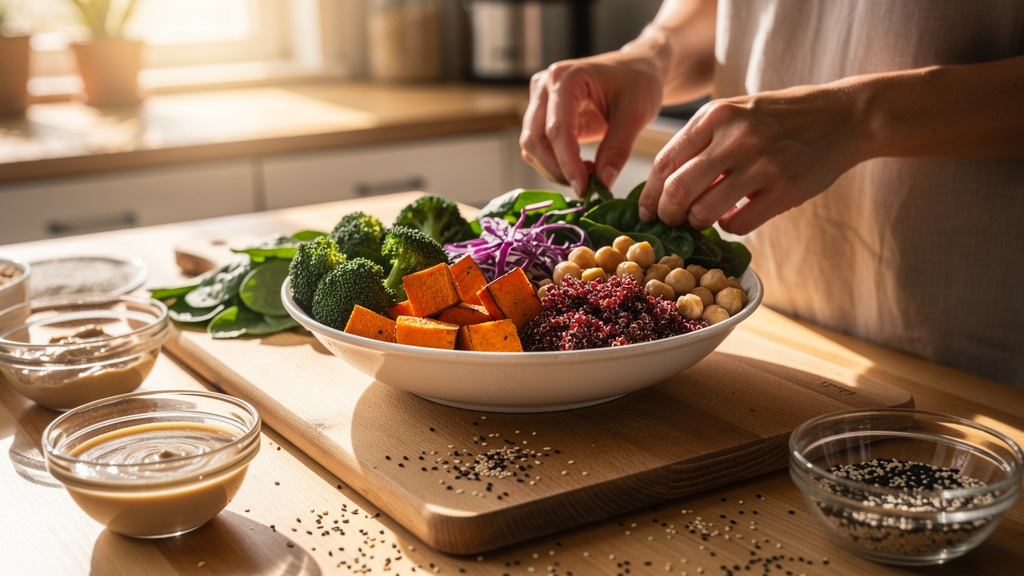
Nutrition is one of the most direct ways to send helpful signals to the body. Every snack and meal provides more than energy. It carries thousands of phytonutrients that talk to cells, immune defenses, and even the bacteria in the gut.
For both cancer prevention and recovery, most experts now agree on a simple core pattern:
-
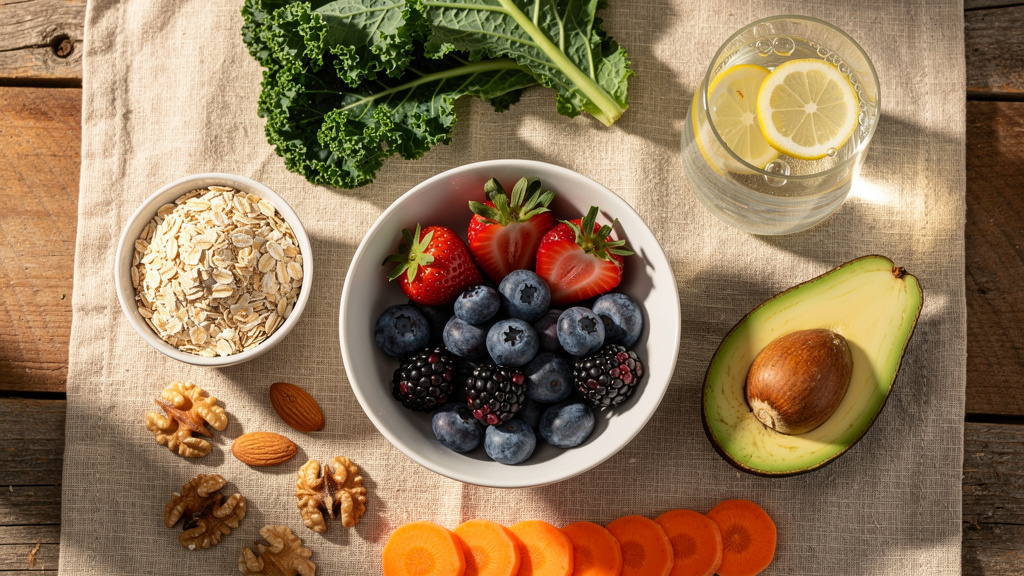
Base most meals around plant foods — vegetables, fruits, whole grains, beans, lentils, nuts, and seeds.
-
Add moderate amounts of high‑quality protein, such as fish, eggs, or plant proteins.
-
Include healthy fats like olive oil, nuts, seeds, and avocado.
This style of eating supports blood sugar control, lowers chronic inflammation, and gives the body tools it needs to repair treatment‑related damage. It does not fight against chemotherapy or radiation. Instead, it helps people feel stronger, maintain weight and muscle, and bounce back more easily between treatments.
“A pattern of eating mostly plant foods, being physically active, and maintaining a healthy weight can significantly reduce cancer risk.” — World Cancer Research Fund / American Institute for Cancer Research
Within this broad pattern, a few foods are better kept to a minimum, while others deserve regular space on the plate.
Foods To Limit Or Avoid For Optimal Health
Talking about foods to limit can stir up fear or guilt; that is not the goal. At Calming the Mind of Cancer, we see these choices as acts of self‑care rather than punishment. Knowing where risk is higher simply gives more room to choose what feels healing.
-
Processed meats — bacon, hot dogs, sausages, and deli slices — often contain nitrates and other preservatives that can form cancer‑promoting compounds. The World Health Organization classifies these meats as cancer causing. The safest choice is to avoid them or save them for rare occasions.
-
Alcohol is another concern. Older advice suggested that small amounts might be safe, but newer research links even light drinking with higher risk of several cancers, including breast and colorectal cancer. During treatment, when the liver and kidneys already work hard to process drugs and waste, alcohol adds extra strain. In survivorship, many people choose to drink rarely or not at all and discuss any alcohol use with their medical team.
Beneficial Foods And Clearing Up Confusion
The good news is that many foods once viewed with suspicion now have strong support from research, including recent findings on The effect of individual nutrients on cancer progression and recovery.
Soy is a clear example. Early animal studies raised worries for people with estrogen‑positive breast cancer. Larger human studies later showed a different story. Moderate amounts of whole soy foods — tofu, tempeh, soy milk, and edamame — now appear safe and even protective for many survivors.
Beyond soy, plant‑based “powerhouses” deserve regular space on the table:
-
Whole grains like oats, quinoa, and brown rice bring fiber that feeds helpful gut bacteria and supports stable blood sugar.
-
Colorful fruits and vegetables provide antioxidants and phytonutrients that help neutralize free radicals and protect DNA. Dark berries, leafy greens, orange squash, tomatoes, onions, and cruciferous vegetables like broccoli are all strong allies.
-
Healthy fats from nuts, seeds, olives, and fatty fish support hormone balance, brain health, and skin repair.
These foods can also ease common side effects. Fiber helps with constipation, steady energy counters fatigue, and vitamins and minerals refill stores depleted by treatment. It often feels easier to focus on adding these healing foods rather than banning everything that feels fun. Over time, the plate naturally fills with more items that support recovery and fewer that work against it.
Nourishing Your Body Through Active Treatment
During chemotherapy, radiation, or targeted therapies, the body works incredibly hard. It must handle powerful medicines, clear damaged cells, and rebuild healthy tissue, often all at once. Food becomes a form of daily support that can help someone stay strong enough to complete treatment.
Side effects like nausea, taste changes, mouth sores, and fatigue can make eating difficult. Many people worry about doing it “right” and feel guilty if they reach for comfort foods. Our view at Calming the Mind of Cancer is gentle: the main goal during active treatment is to maintain strength and stable weight, not to follow a perfect diet.
Practical Eating Strategies When Treatment Makes Food Difficult
When appetite dips or nausea rises, large meals often feel impossible. Smaller, more frequent snacks can be easier. Eating something every two or three hours:
-
Keeps the stomach from getting completely empty, which often worsens nausea.
-
Helps keep blood sugar more steady and energy more stable.
Protein needs rise during treatment, because the body is repairing tissue day and night. Without enough protein, the body breaks down its own muscle, which can lead to weakness and slower recovery. Soft, easy options include:
-
Yogurt or cottage cheese
-
Scrambled eggs or tofu
-
Nut butters and hummus
-
Protein smoothies made with fruit and milk or soy milk
Pairing carbohydrates with protein also helps — an apple with peanut butter, crackers with hummus, or a smoothie with fruit and Greek yogurt. These combinations offer both quick energy and longer‑lasting fuel.
Targeted Support For Common Treatment Side Effects
Certain foods and nutrients can gently ease specific side effects:
-
Dry, irritated skin is common. Healthy fats from nuts, seeds, avocados, olive oil, and fatty fish like salmon provide essential fatty acids that support the skin’s natural barrier.
-
Fatigue and chemo brain can feel discouraging. While no single meal fixes them, steady intake of complex carbohydrates gives the brain and muscles a more constant energy source. Whole grains, beans, fruits, and vegetables help avoid energy spikes and crashes linked with very sugary snacks.
-
Nausea often makes strong smells and hot foods unpleasant. Many people find that cooler or room‑temperature foods — chilled smoothies, yogurt, fruit, or cold pasta salads with beans and vegetables — feel easier. Bland items like toast, plain crackers, or rice can help on very rough days.
Allowing some comfort foods is important. This stage is not about strict rules. It is about kindness toward the body and accepting that doing your best is more than enough.
Busting Dangerous Nutrition Myths That Could Harm Your Recovery
A cancer diagnosis often drives people to late‑night internet searches, looking for anything that might improve the odds. Unfortunately, much of what appears first is not based on solid research, though rigorous studies like the Impact of ketogenic diets on cancer patient outcomes provide clearer evidence for evaluating popular nutrition trends. Some advice is simply useless; some can interfere with treatment or lead to malnutrition.
We often hear from people who feel frightened because friends, social media, or even well‑meaning books told them that one wrong bite will “feed the cancer.” Others load up on supplements because they want to give their body every possible advantage. We deeply respect the care behind these choices, and at the same time, we want to gently correct myths that can cause harm.
Understanding what is true allows you to move out of panic and into informed, steady action. Two myths show up again and again in our work at Calming the Mind of Cancer.
Myth 1: Sugar Feeds Cancer, So You Must Eliminate All Carbohydrates
This myth begins with a small piece of truth. Cancer cells do use glucose, a simple sugar, for energy. So do all healthy cells in the body, especially brain cells. When people try to avoid all carbohydrates, the body loses one of its main fuel sources.
Cutting out every source of sugar and starch can lead to rapid weight loss, muscle loss, and deep fatigue. During treatment, this can become dangerous. The body needs enough calories and carbs to power healing and keep the immune system working. A more helpful approach is to favor complex carbohydrates from whole fruits, vegetables, beans, and whole grains. These foods bring fiber, vitamins, and protective plant compounds along with natural sugars. Eating them supports strength and does not “feed cancer” in the way this myth suggests.
Myth 2: Supplements Are Always Safe And Beneficial
Supplements can look simple and harmless. Many are sold with bright labels and hopeful claims. People with cancer, especially breast cancer survivors, use supplements at very high rates because they want to do everything they can to support healing.
The problem is that some supplements can interfere with chemotherapy or radiation. High doses of certain antioxidants, for example, may reduce the ability of these treatments to damage cancer cells. Other herbs and vitamins can change how drugs are processed in the liver, leading to more side effects or less benefit.
This does not mean supplements are always harmful. It does mean that every pill, powder, or herb should be discussed with the oncology team before use. Under medical guidance, some supplements may help correct deficiencies or support specific needs. The safest base, though, is to rely on whole foods for most nutrients and treat supplements as medicine that needs professional oversight.
Calming The Mind Of Cancer: Your Partner In Holistic Nutrition
Stepping into Beyond Treatment: Holistic Nutrition for Cancer Recovery in 2025 can feel like entering a new chapter. There is plenty of information, but much of it is confusing or conflicting. The purpose of Calming the Mind of Cancer is to stand beside you in this space and offer calm, clear, and compassionate guidance.
We draw from modern nutritional science to provide evidence‑based advice that fits the real challenges of cancer care. Our resources on antioxidant‑rich foods explain how to bring more protective plants into daily meals without turning life upside down. Our content on superfoods for cancer prevention and recovery translates research on items like berries, leafy greens, turmeric, and green tea into simple meal ideas and shopping tips.
At the same time, we know that nutrition is only part of the story. That is why we weave in meditation, breathing practices, and other spiritual tools that steady the mind. Our holistic cancer support strategies show how to combine mindful eating, stress reduction, and gentle movement so that physical and emotional healing support one another. Through articles, practices, and programs, we aim to make complex research feel human and usable for both survivors and the people who love them.
The Cutting Edge: How Technology And Research Are Personalizing Holistic Care In 2025
Holistic cancer care draws on ancient wisdom and common sense, yet it is also a fast‑moving field of research. By 2025, scientists and clinicians are using new technology and large research databases to study how lifestyle choices affect cancer outcomes in very precise ways.
One example comes from research platforms used at major centers, such as Sylvester’s My Wellness Research program. These systems combine information from fitness trackers, sleep monitors, nutrition logs, health coaching sessions, genetic tests, and medical records. By studying these combined data sets, researchers can see how patterns of sleep, steps, and eating relate to side effects, mood, and recurrence. Care teams can then adjust recommendations in close to real time instead of waiting for the next clinic visit.
Other studies focus on specific lifestyle tools. The FastER trial is looking at whether aligning daily habits with natural circadian rhythms through overnight fasting and regular exercise can ease treatment‑related fatigue, especially for women with advanced breast cancer. Early signs suggest that timing of food and movement may matter, not just their content.
Targeted programs now support groups with particular needs. Prevention clinics for people with BRCA or Lynch syndrome combine genetic results with lifestyle counseling, giving people concrete steps that may lower their risk. The VITALITY study explores how different levels of virtual coaching can help older survivors and their caregivers maintain strength and thinking skills. The TEAL study brings lifestyle guidance directly into chemotherapy plans for ovarian cancer and offers services in languages such as Spanish so more communities can benefit.
All of this research points toward a future where Beyond Treatment: Holistic Nutrition for Cancer Recovery in 2025 is not a vague idea, but a carefully studied part of cancer care that respects each person’s biology, culture, and daily life. At Calming the Mind of Cancer, we follow these developments closely and translate their lessons into practical guidance you can use at home.
Beyond Food: The Complete Picture Of Holistic Recovery

Food is a powerful part of healing, but it does not stand alone, which is why Taking Care of the Whole You approaches emphasize comprehensive integrative care during and after cancer treatment. Holistic recovery means caring for the whole person, so that body, mind, and spirit move in the same direction. When nutrition works alongside movement, stress relief, deep rest, and emotional support, healing often feels more steady and less frightening.
Key pillars of this wider picture include:
-
Physical activity — Regular, moderate movement can ease treatment‑related fatigue, strengthen muscles and bones, and lower the chance of some cancers returning. This does not require intense workouts. Gentle walks, stretching, light resistance bands, or dancing in the living room can all support circulation and mood.
-
Stress management and mind‑body practices — Chronic stress can weaken immune defenses and raise inflammation. Meditation, yoga, breathing exercises, guided relaxation, time in nature, and music therapy can shift the nervous system toward calmer states. As stress eases, digestion often improves, pain feels more manageable, and sleep comes more easily.
-
Quality sleep — During the deepest stages of sleep, the brain clears waste and the body carries out key repair work. A regular sleep schedule, a dark and quiet bedroom, and calming bedtime rituals such as gentle stretches or a short meditation all support better rest.
-
Emotional health and social connection — Honest conversations with family, support groups, counseling, and spiritual communities can provide comfort when fear and grief show up. Feeling understood often gives people more strength to keep eating well, moving, and attending appointments.
“You can’t stop the waves, but you can learn to surf.” — Jon Kabat‑Zinn
At Calming the Mind of Cancer, we design our nutrition guidance with these wider needs in mind, so that food choices fit into a full, caring picture of life after diagnosis.
Thriving In Survivorship: Building Your Long‑Term Wellness Foundation

When active treatment ends, many people expect to feel only relief. Instead, this phase often brings a mix of gratitude, anxiety, and new questions about how to live from here. Survivorship is its own stage of cancer care. The focus shifts from getting through each treatment to building daily habits that support long‑term health and a life that feels worth living.
Meal planning is one of the simplest tools for this stage. Preparing a batch of whole grains, roasting a tray of vegetables, and cooking a pot of beans or lean protein on a calmer day can make weekday meals much easier. When the fridge holds ready‑to‑use building blocks like these, grabbing a nourishing plate becomes faster than ordering takeout.
Cultural and family foods matter deeply here. Food is tied to memory, identity, and love. Holistic nutrition does not ask anyone to give up treasured recipes or holiday dishes. Instead, we look for small shifts that keep the spirit of a meal while adding more support for the body — perhaps:
-
Adding a bright salad or roasted vegetables beside a traditional main dish
-
Using olive oil instead of butter in some recipes
-
Choosing leaner cuts of meat in favorite stews
An “addition” mindset can be very helpful. Rather than listing all the foods to avoid, think about what can be added. Can you toss spinach into eggs, add beans to soup, or include berries with breakfast? This approach feels lighter and more positive, which makes it easier to stay consistent month after month.
Perfection is not required. There will be holidays, birthdays, and tired nights when choices look different. What matters most is the overall pattern across weeks and months. At Calming the Mind of Cancer, we walk with survivors and caregivers as they build this foundation, offering steady guidance so that nutrition, mindfulness, and self‑compassion grow side by side.
Conclusion
Cancer recovery does not end with the last infusion or surgery. It continues through every small decision about food, movement, rest, and emotional care. The idea of Beyond Treatment: Holistic Nutrition for Cancer Recovery in 2025 is about claiming this phase as a time of active healing rather than waiting in fear for the next scan.
Epigenetic science reminds us that most cancer outcomes connect to lifestyle and environment, not fixed destiny. That does not mean blame. It means there is real, hopeful power in how we eat, breathe, sleep, and connect from this day forward. Holistic nutrition, grounded in research and guided by compassion, gives the body what it needs to repair and the mind what it needs to find steadier ground.
You have already shown great strength by getting through diagnosis and treatment. Now a different kind of strength appears — one made of quiet, repeated choices and gentle care for yourself. At Calming the Mind of Cancer, we are honored to be part of that process, linking calming practices with clear, modern nutrition guidance.
You do not have to sort through all the information alone. With the right support, healing is not just a medical word. It can be a lived, daily reality as you move forward with more knowledge, more calm, and a deeper sense that your actions matter.
FAQs
Question 1: Can Changing My Diet Really Make A Difference In My Cancer Recovery?
Yes, nutrition can make a real difference. Studies show that what you eat affects treatment side effects, energy, body weight, and the chance of recurrence. Epigenetic research suggests that lifestyle factors, including diet, influence a large share of cancer outcomes. Food choices work alongside chemotherapy, radiation, surgery, and other care. Even small, steady changes toward a more plant‑focused pattern can support healing and long‑term health.
Question 2: Should I Be Taking Supplements During Or After Cancer Treatment?
Supplements should always be discussed with your oncology team before you start them. Some vitamins, herbs, and high‑dose antioxidants can interfere with chemotherapy or radiation, or increase side effects. In some cases, your team may recommend specific supplements to correct a deficiency or support bone health, digestion, or other needs. Even then, whole foods remain the best base for nourishment. Think of supplements as medicine that needs medical guidance, not as harmless extras.
Question 3: Is It True That I Should Avoid All Sugar Because It Feeds Cancer?
No. Avoiding every source of sugar is not helpful and can be dangerous. All cells, including healthy ones, use glucose for energy, and the body turns all carbohydrates into some form of glucose. Cutting out every source of carbs can lead to weakness, weight loss, and poor tolerance of treatment. A better approach is to limit refined sugars and sweets while choosing complex carbohydrates from fruits, vegetables, beans, and whole grains.
Question 4: How Can I Maintain Healthy Eating Habits When Cultural Or Family Foods Are So Important To Me?
You do not have to give up the foods that connect you with family and culture. Holistic nutrition respects that these meals carry meaning and comfort. Focus on gentle adjustments instead of big changes: add more vegetables to favorite dishes, choose leaner meats when possible, use healthier fats for cooking, or balance heavier meals with lighter ones the next day. This way you honor both your heritage and your health goals.
Question 5: When Should I Start Focusing On Nutrition, During Treatment Or After?
Nutrition matters at every stage. Before and during treatment, the main goals are to maintain strength, manage side effects, and keep weight and muscle as stable as possible. After treatment, the focus gradually shifts toward long‑term wellness, lowering recurrence risk, and supporting heart, bone, and brain health. It is never too early or too late to begin making gentle, helpful changes. Working with your medical team or a cancer‑aware nutrition professional can help you choose the right steps for where you are now.