
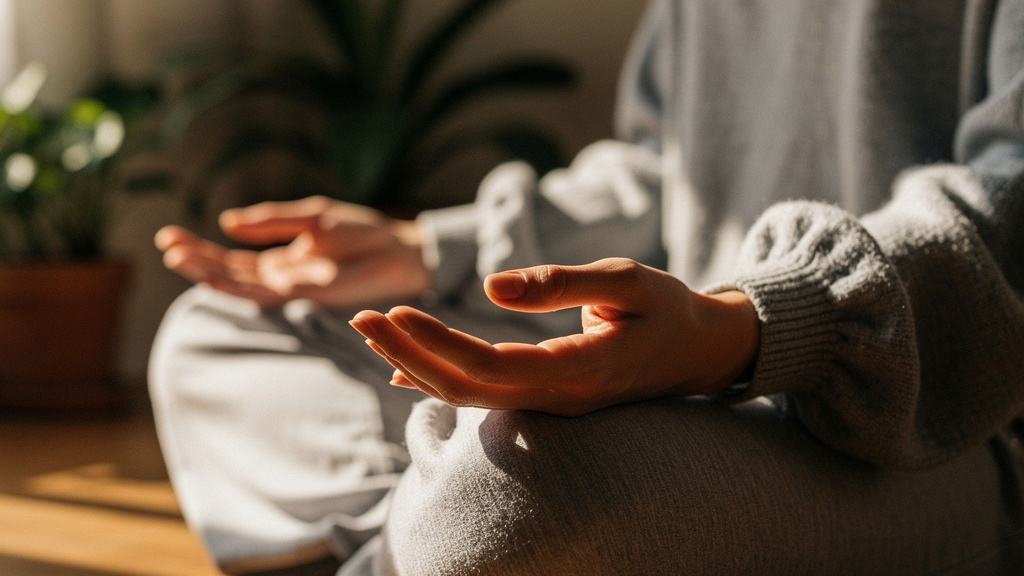
Mindfulness for Cancer Anxiety: 5 Simple Practices for Daily Calm
Introduction
Hearing the words “you have cancer” can feel like the floor drops away. The mind jumps to scans, treatments, side effects, and loved ones. Sleep can turn shallow, breathing tight, and the body stays on high alert.
That ongoing alarm is what many call cancer anxiety, and taking care of the whole you—mind, body, and spirit—becomes essential during this time. It is not “just in the head.” Stress hormones flood the body, muscles tense, and thoughts race late into the night. Caregivers often feel the same strain while trying to stay strong for someone they love.
This is where mindfulness for cancer anxiety can help. Mindfulness gives us a way to touch the present moment, even while tests and big decisions continue in the background. It is backed by research, does not require special beliefs or tools, and can be practiced in a treatment chair, on the couch, or in bed.
In this guide, we walk through five simple practices that can calm the stress response, steady thoughts, and bring more ease into daily life. Each one:
-
Takes only a few minutes
-
Can be adapted to low energy days
-
Works for both patients and caregivers
By the end, you will see how these practices, along with gentle support from Calming the Mind of Cancer, can create small pockets of peace during a very demanding time.
Key Takeaways
-
Mindfulness calms the fight-or-flight response. Short practices can slow breathing and soften tension. Studies on structured mindfulness programs often show notable drops in anxiety for many people.
-
The five practices here are gentle and practical. No special equipment, long sessions, or perfect focus are needed. Even one minute can bring a sense of relief.
-
Each practice fits into daily life. You can pair them with habits you already have—waiting for coffee, sitting in the car, or lying awake at night.
-
Mindfulness supports both mind and body during cancer care. It can help with sleep, digestion, pain sensitivity, fear, and worry—while offering tools caregivers can share too.
-
Calming the Mind of Cancer weaves meditation, Om-based practices, and nutritional guidance into a grounded, science-informed approach for easing cancer anxiety day by day.
Understanding the Connection Between Cancer and Anxiety
Cancer brings real physical risk and deep uncertainty, so feeling anxious is a normal response. When we receive a diagnosis or wait for test results, the brain reads this as danger and triggers the fight-or-flight response.
In this state, the body releases stress hormones such as adrenaline and cortisol, which are part of the management of fatigue in cancer patients—a common concern that intersects with anxiety and overall wellbeing. In short bursts they help us react quickly. But when stress stays high for weeks or months, many people notice:
-
Fatigue, pounding heart, and shallow breathing
-
Tight muscles, even when sitting still
-
Trouble falling or staying asleep
-
Upset stomach or changes in digestion
-
Pain that feels sharper because the nervous system is already tense
Emotionally, there may be fear of recurrence, dread of appointments, and big questions about meaning and the future. Caregivers can feel the same strain while trying to hold everything together.
None of this means something is wrong with you. It means your stress system is working overtime. Mindfulness practices send the body a different signal. By shifting attention to the present moment, we quiet the alarm and give the mind and body a chance to rest.
What Mindfulness Is and Why It Works for Cancer Anxiety
Mindfulness is the simple practice of paying attention to what is happening right now with curiosity and kindness. We notice the breath, the feeling of the body on the chair, or a thought passing through the mind. We do our best not to judge what we find as good or bad.
This is different from “positive thinking.” Mindfulness does not ask us to replace fear with happy thoughts or pretend everything is fine. Thoughts still appear. The shift is that we observe them instead of getting pulled under by every story they bring.
“You can’t stop the waves, but you can learn to surf.”
— Jon Kabat-Zinn
When we rest attention on the breath or body, the parasympathetic nervous system (“rest and digest”) starts to take the lead. Heart rate slows, muscles soften, and digestion and immune function have more room to work. Research with people facing cancer has shown that mindfulness practice can:
-
Lower anxiety and depression scores
-
Improve sleep quality
-
Increase a sense of calm and control
Mindfulness is open to people of any background or belief. It can be practiced sitting, lying down, or even while walking down a hallway with an IV pole. At Calming the Mind of Cancer, we combine these awareness practices with Om meditation and evidence-based nutrition so mental and physical care support each other.
Practice 1: Conscious Breathing Techniques
Every practice in this guide grows from something we already do all day: breathing. When we place gentle attention on the breath, the mind has one steady place to rest. That makes conscious breathing a natural first step for easing cancer anxiety, whether in a waiting room or in bed at night.
Simple Breath Awareness
Simple breath awareness is a one-minute reset that asks very little of the body.
-
Find a supported position. Sit with feet on the floor, lean back in a chair, or lie down with pillows. Let the hands rest where they feel at ease.
-
Soften the eyes. Close them if it feels safe, or lower your gaze. Notice where the breath enters and leaves—nostrils, chest, or belly.
-
Let thoughts come and go. When the mind wanders, quietly note “thinking,” then return to the next breath without scolding yourself.
-
Stay for 1–3 minutes. Use this before an appointment, during a sleepless night, or after hard news. Even this short pause tells the nervous system it is allowed to settle.
Deep Conscious Breathing (Three-Part Breath)
Deep conscious breathing adds structure and uses the diaphragm to support deeper relaxation, especially when anxiety lives in the chest or stomach.
-
Set up. Sit or lie with the back supported. Place one hand on the belly and one on the chest. Let the shoulders soften.
-
Inhale in three stages. Breathe in through the nose so the belly rises, then the ribs widen, then the upper chest lifts slightly—like a slow wave from bottom to top.
-
Exhale slowly. Breathe out through the nose or mouth as the chest softens, ribs move inward, and belly gently falls. Aim for a slightly longer exhale than inhale.
-
Continue for 3–10 minutes. If you have lung issues, use smaller, softer breaths. Over time, this rhythm supports vagal tone, which helps the heart, digestion, and mind move toward calm.
Practice 2: Mindful Engagement With Simple Pleasures

Anxiety pulls attention into the future, toward “what if” thoughts and worst-case images. Mindful engagement with simple pleasures brings us back to the small, good moments that still exist, even during treatment. By slowing down and using the senses on purpose, we give the mind a break from constant problem-solving.
Mindful Eating
Eating can be stressful with nausea, taste changes, or low appetite. Turning one small snack into a mindful practice can ease that strain.
-
Choose one small item. A grape, cracker, spoonful of soup, or piece of toast. Put screens and phones aside.
-
Look and smell. Notice color, shape, and texture. Bring it to your nose and sense any smell, even if faint.
-
Take a small bite. Chew slowly. Feel texture and temperature. When you swallow, follow the sensation down the throat, then pause.
-
Repeat for a few bites. If taste is muted, focus on texture and temperature. This gentle attention can support digestion and make eating feel a little less stressful.
Mindful Walking
Mindful walking combines movement with awareness and can be adjusted for many energy levels.
-
Pick a short, safe path. A hallway, small sidewalk, or loop in the living room. Use a walker or steady arm if needed.
-
Start slowly. Notice weight shifting from one foot to the other. Feel heel, then ball, then toes with each step.
-
Link breath and steps. For example, two steps on the inhale, two or three on the exhale. When worries appear, gently return to the feeling of walking.
-
Walk for 1–5 minutes. Try this around the ward, yard, or while taking the dog out. Even a few mindful steps can bring a sense of steadiness.
Guided Imagery for Mental Sanctuary
Guided imagery uses imagination to give the nervous system a break from clinical settings and anxious thoughts.
-
Settle in. Sit or lie comfortably and, if safe, close your eyes.
-
Picture a peaceful place. A beach, forest path, garden, or favorite room. Notice colors, shapes, and light.
-
Add other senses. Imagine sounds (waves, birds, breeze), gentle sensations on the skin, and comforting scents like pine or familiar cooking.
-
Rest there for several minutes. Many people use free guided meditation for healing cancer recordings or apps during infusions or before scans to create mental sanctuary during treatment. Over time, this mental sanctuary becomes easier to enter when anxiety rises.
Practice 3: Working With Difficult Thoughts and Emotions

Living with cancer brings waves of fear, anger, sadness, and sometimes guilt. Mindfulness does not ask us to push these feelings away. Instead, it offers emotional first aid so they do not control every choice.
“Self-compassion is simply giving the same kindness to ourselves that we would give to others.”
— Kristin Neff, PhD
The tools below help interrupt anxious thought loops and encourage a kinder inner voice.
The Five-Step Process for Managing Negative Thought Spirals
When worry takes over, thoughts can jump quickly from one scary idea to another. This five-step process slows things down and reminds us that thoughts are mental events, not solid facts.
-
Notice and pause. Realize the mind is racing and take one slow, deliberate breath in and out.
-
Name what is happening. For example, “I am scared about my scan,” or “I feel angry about this side effect.” Putting words to it often reduces its intensity.
-
Create distance. Say, “I am having the thought that my scan will be bad,” rather than “My scan will be bad.” This phrasing puts a little space between you and the story.
-
Choose a small next step. Return attention to the body, take a sip of water, stretch, or walk to another room. The gap between thought and action is where new choices live.
-
Offer a gentle follow-up. Call a supportive friend, sit in the sun, or watch something comforting. Repeating this process makes it easier to move through worry without being swept away.
Growing Self-Compassion
Many people silently blame themselves for having cancer or for not coping “well enough.” Self-compassion invites us to talk to ourselves with the same warmth we would offer a dear friend. Research links this kindness with lower anxiety and better coping.
-
Acknowledge the pain. Say, “This is really hard,” or “I feel scared and exhausted.” Honest naming is a form of strength.
-
Remember common humanity. Many others feel similar fear about scans, treatment, or family. You might tell yourself, “I am not the only one who feels this way.”
-
Offer kind words or touch. Place a hand on your heart or cheek if that feels soothing and say, “May I be gentle with myself,” or “I am doing the best I can with what I have.”
At Calming the Mind of Cancer, this inner kindness sits alongside meditation and nutrition as a core part of healing.
Practice 4: Deep Relaxation and Body-Based Techniques

Anxiety often shows up in the body as tight shoulders, clenched jaw, or restless legs. Deep relaxation practices invite each part of the body to soften, sending a calming message back to the brain.
These techniques work well before bed, after treatment, or during a mid-day rest. Setting aside even 5–15 minutes can make a real difference.
Body Scan for Activating the Relaxation Response
A body scan is a slow “tour” of the body with the mind. By moving attention from toes to head without judgment, we signal that it is safe to relax.
-
Get comfortable. Lie on your back if possible, or sit with good support. Rest your hands and soften your gaze or close your eyes.
-
Start at the toes. Notice sensations—warmth, coolness, tingling, numbness, or pain. If there is pain, acknowledge it kindly without trying to force it away.
-
Move upward gradually. Bring awareness through feet, legs, hips, belly, chest, back, hands, arms, shoulders, neck, and face. At each area, invite the muscles to soften a little.
-
Rest at tight spots. If you reach a tense area, stay for a few breaths. Imagine the breath gently moving in and out of that region.
-
Finish with the breath. After scanning the whole body, rest attention on breathing for a minute or two, then slowly move fingers and toes and open your eyes.
Regular body scans can help the brain associate lying down with safety, which often supports deeper sleep and less perceived pain.
Progressive Muscle Relaxation (PMR)
Progressive muscle relaxation teaches us to notice the difference between tension and ease. By gently tensing and then releasing muscle groups, we learn how to let tightness go more completely.
-
Set aside about 10–15 minutes. Sit or lie in a quiet space. If you have recent surgery or severe muscle pain, check with your care team first.
-
Start with your hands. On an inhale, curl one hand into a gentle fist. Hold for about five seconds.
-
Release on the exhale. Let the hand relax fully, as if it is melting. Notice how it feels compared with when it was tight.
-
Move through the body. Repeat with the other hand, then forearms, face, shoulders, chest, belly, buttocks, thighs, calves, and feet. The effort should be gentle, never straining.
-
Notice the overall effect. When you finish, take a few slow breaths and sense the whole body. Many people feel heavier, warmer, and more grounded.
Practicing PMR before scans, appointments, or bedtime can make it easier to notice early signs of tension and release them sooner.
Practice 5: Integrating Mindfulness Into Your Daily Routine

Many people worry, “I do not have time for one more thing.” The good news is that short and steady practice is what helps most. Five minutes a day can often do more than an hour once a month.
You do not need a new schedule. Instead, tuck small practices into moments that already exist. This approach is sometimes called habit stacking: adding one small action to something you already do.
Here are a few micro-habits for mindfulness and cancer anxiety:
-
Handwashing pause. Each time you wash your hands, take three mindful breaths. Notice water temperature, the feel of soap, and the release on each exhale.
-
Waiting moments. While waiting for coffee, tea, or a meal, set the phone down. Feel the weight of your body on the chair or floor and notice three slow breaths.
-
Gentle reminders. Set a phone alert for a five-minute practice—guided meditation, brief body scan, or a self-compassion phrase. If you miss a day, simply start again without blame.
-
Transition cues. Use getting into the car, sitting in a waiting room, or lying down at night as cues. Choose one short practice, such as breath awareness or guided imagery, for those moments.
Family members and caregivers can join by sharing a brief practice before appointments or bedtime. At Calming the Mind of Cancer, resources are designed for these real-life rhythms so mindfulness feels like support, not another chore.
How Calming the Mind of Cancer Supports Your Mindfulness Path
Calming the Mind of Cancer exists to walk beside people facing cancer and those who care for them. Mind and body are closely linked; when anxiety softens, the whole system has more room to rest and heal.
Our meditation and mindfulness programs are created specifically for:
-
People in active treatment
-
Survivors
-
Caregivers and loved ones
We offer guided practices that match different stages of care—from short breathing exercises to longer sessions. Many include Om meditation techniques, and Buddha image meditation is effective for steadying the mind and opening the heart—practices used for centuries in contemplative traditions.
We also bring nutritional science into the same conversation. Simple guidance on food choices, timing, and easy recipes works alongside mindfulness to support energy, digestion, and immune health. This integrated approach respects spiritual traditions and modern research without asking anyone to adopt beliefs that do not feel right.
Caregivers receive focused attention too, with practices they can share with loved ones or use on their own. Mindfulness is one part of a wider web of care, and we are honored to be a partner in that web.
If these practices resonate, you can explore Calming the Mind of Cancer for step-by-step meditations, Om-based practices, and nutritional support designed to make daily calm more reachable during this demanding period.
Conclusion
Cancer anxiety can touch every corner of life—sleep, eating, relationships, and plans. The five practices in this guide offer support on several levels:
-
Conscious breathing steadies the nervous system.
-
Simple pleasures like mindful eating and walking bring back small moments of ease.
-
Emotional tools help with racing thoughts and self-blame.
-
Deep relaxation supports rest and pain relief.
-
Daily integration turns mindfulness into ongoing support instead of a one-time exercise.
You do not need to master everything. A single minute of breath awareness before a scan or a short body scan before bed is a real step. With repetition, the mind learns new patterns and the body remembers how to relax, even in the middle of appointments and treatment.
Most of all, mindfulness for cancer anxiety reminds us that we have some say in how we meet this experience. We may not choose the diagnosis, but we can choose to bring kindness, awareness, and steady breaths to each day. Calming the Mind of Cancer is committed to walking with you in that effort.
If one practice in this article stood out, start there today. Let it be small and gentle. Over time, those small, gentle moments can add up to a real sense of daily calm, even while much remains uncertain.
FAQs
How Long Does It Take To See Results From Mindfulness for Cancer Anxiety?
Many people notice small shifts—slower breathing, a bit more space around their thoughts—during the very first practice. Research on mindfulness often shows measurable drops in stress and anxiety after about 2–4 weeks of daily or near-daily practice. The nervous system learns through repetition, so frequent short sessions usually help more than rare long ones.
Do I Need Special Equipment or Training To Practice Mindfulness?
No special tools are required. Your breath, body, and attention are the main ingredients, and they are available almost all the time. Guided audios, apps, or classes can help, especially at the beginning, but they are optional. You can practice in a hospital bed, at the kitchen table, or in a parked car. The most important step is simply starting, right where you are.
Can I Practice Mindfulness During Chemotherapy or Radiation Treatments?
Yes. Many people find mindfulness especially helpful during chemotherapy and radiation. Gentle breath awareness, brief body scans, or guided imagery can reduce treatment-related anxiety and make long sessions feel shorter. These practices may also ease nausea and muscle tension by calming the nervous system. Let your care team know what you are trying so they can support you and answer any safety questions.
What If I Can’t Stop My Mind From Racing During Meditation?
A racing mind is very common, especially with cancer-related worry. It does not mean you are doing mindfulness “wrong.” Noticing that the mind has wandered—and gently returning to the breath or body—is the heart of the practice. Try very short sessions at first, even 1–2 minutes, so practice feels manageable. Over time, thoughts still arise, but they tend to pass through more quickly and hold less power.
Is Mindfulness Enough To Manage Severe Anxiety, or Do I Need Medication Too?
Mindfulness is a strong support, but it is not meant to replace medical or psychological care for severe anxiety. Many people do best with a mix of approaches, such as medication, counseling, support groups, and mindfulness-based practices. Working closely with your oncology team and, if possible, accessing mental health resources is a wise step to ensure comprehensive support during cancer treatment. Mindfulness can complement other treatments by lowering overall stress and helping you notice what truly helps you. Caring for your mental health is an important part of caring for your whole self.