
Visualizations for Cancer Healing
Introduction
Receiving a cancer diagnosis can feel as if someone suddenly rewrote all the rules of life. There are appointments, scans, side effects, and so many unknowns. In the middle of all this, many people look for something steady that brings even a small sense of calm back into the body. For a growing number of patients, visualization for cancer healing becomes that gentle anchor.
Visualization, also called guided imagery or guided meditation, is a mind‑body practice where you create vivid inner scenes that involve sight, sound, touch, smell, and even taste. These imagined experiences send real signals through the nervous system, which can quiet stress, loosen tension, and support the body while medical treatment does its work. In cancer care, visualization always works beside conventional treatment, never instead of it.
People use imagery to picture a peaceful beach or garden, or to see their immune cells as tiny helpers cleaning damaged cells. Others listen to visualizations before chemotherapy, scans, or surgery to soften fear and steady the breath. Over time, regular practice can ease pain, reduce nausea, improve sleep, and lift mood.
Many patients say visualization feels like “a place my mind can rest when my body is going through so much.”
This guide from Calming the Mind of Cancer explains what visualization is, how it affects the brain and body, what research suggests, and simple ways to begin. By the end, visualization for cancer healing should feel less mysterious and more like a warm, steady tool you can adapt to daily life.
Key Takeaways
-
Visualization for cancer healing uses detailed inner pictures to calm the nervous system and sits alongside medical treatment, not in place of it.
-
Regular practice can ease pain, nausea, fatigue, sleep problems, and anxiety. Calming the Mind of Cancer offers gentle guides that support daily practice.
-
Brain imaging shows imagined scenes share pathways with real events, so the body often responds with slower breathing and softer muscles during visualization.
What Is Visualization and How Does It Work for Cancer Healing?
Visualization is sometimes called guided imagery, mental rehearsal, or guided self‑hypnosis. Whatever the label, it means choosing a scene or idea and exploring it with the mind. In visualization for cancer healing, the inner scene is built clearly with colors, sounds, temperature, textures, and even smells so it feels almost as real as the outer world.
Most sessions begin with a few minutes of relaxation: slow breathing, gentle stretching, or moving attention through the body from feet to head. Once settled, you might imagine resting on a warm beach, walking in a quiet forest, or seeing immune cells as bright helpers surrounding and cleaning cancer cells. In this way, imagery blends comfort, hope, and a sense of inner strength.
The Science Behind The Mind-Body Connection
When someone practices visualization, the brain does not treat the images as simple daydreams. Research in neuropsychology shows that many of the same areas respond when a person imagines an event as when that event actually happens. Strong mental images can change heart rate, muscle tension, and breathing, even though the scene exists only in the mind.
Visualization also uses selective attention—the mind’s ability to focus on one thing while letting other noise fade into the background. During practice, attention turns toward a peaceful or empowering inner scene instead of pain, fear, or racing thoughts. Over time, this habit can give you more choice about where the mind rests.
The brain changes based on what it repeats, a quality called neuroplasticity. Each time someone uses visualization for cancer healing, the pathways that link calm images with relaxed breathing and looser muscles grow stronger. With steady practice, it can become easier and faster for the body to shift from alarm into a quieter state simply by calling up a familiar image.
Imagining peaceful places, kind inner helpers, or gentle healing light sends signals through the nervous and hormonal systems that support the body’s natural rest state. Heart rate can slow, blood pressure may lower, and digestion often works more smoothly. This relaxation response is one of the main reasons visualization is such a helpful ally during cancer treatment.
The Proven Benefits Of Visualization For Cancer Patients
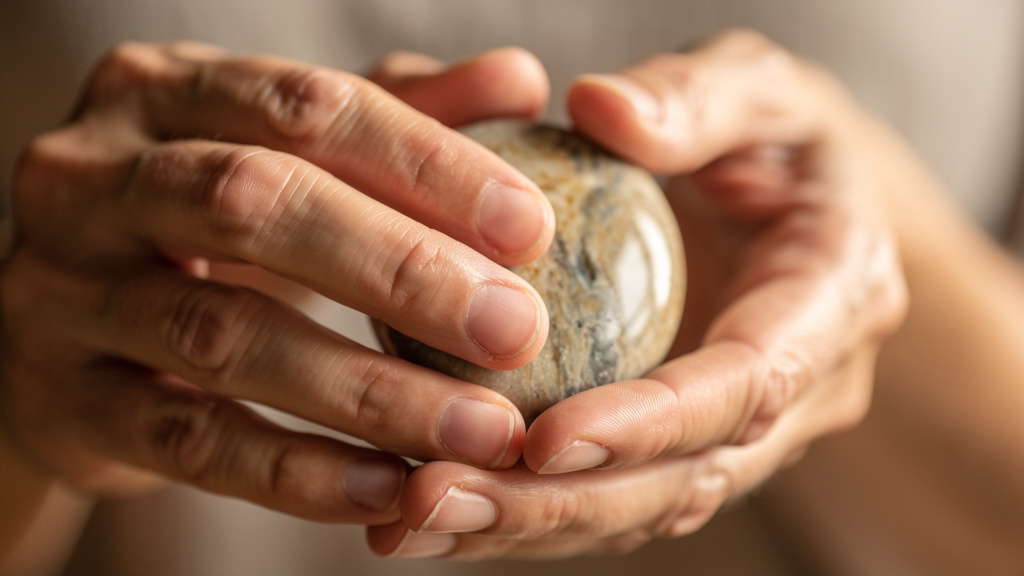
Visualization for cancer healing is not a cure and should never replace medical care. Yet many studies and personal stories show that it can ease the strain of treatment and everyday life. The more often it is practiced, the more these benefits tend to build, offering an active way to care for body and mind.
Managing Physical Symptoms And Treatment Side Effects
Common treatment effects such as pain, nausea, and fatigue can wear down even strong spirits. Guided imagery can soften how the brain reads pain signals by shifting focus toward something soothing and safe. Some people picture warmth, soft light, or gentle waves washing over painful areas and notice discomfort begin to ease.
Chemotherapy‑related nausea and vomiting can take away appetite and energy. Many visualizations invite images that calm the stomach, such as cool clear water moving through the body or the feeling of a steady, settled belly. Several small studies link guided imagery with lower levels of nausea and vomiting, adding an extra layer of support beside medication.
Fatigue is another heavy burden. Imagery gives the nervous system a brief reset by inviting the body into a deeply calm state, which can improve sleep and daytime energy. Shortness of breath, scans, and long infusions can also feel less overwhelming when attention rests on a favorite place or healing image instead of medical equipment.
Supporting Emotional And Mental Well-Being
A cancer diagnosis often stirs fear, anger, sadness, and worry about loved ones. Visualization has been shown to reduce both ongoing stress and sharp bursts of anxiety, such as before surgery or during chemotherapy. Reviews of several studies suggest that guided imagery lowers stress and anxiety for many people facing cancer.
Inner images of strength, connection, or comfort can also lift mood. Some people picture themselves laughing with friends, walking in nature, or feeling energy move through the body. These moments of relief may not change test results, but they can make the emotional weight feel lighter and more manageable.
Visualization for cancer healing can restore a sense of control. Instead of feeling like a passive receiver of tests and medicines, you have a skill you can use any time—even during long nights when worries are loud. Imagery practices have helped people adjust to changes in their body, relate to scars with more kindness, and build a gentler inner voice.
One common reflection is, “I can’t control every part of treatment, but I can choose what I focus on for these few minutes.”
How To Practice Visualization: A Beginner’s Guide

Like any new habit, visualization for cancer healing feels easier with practice. There is no perfect way to do it, and even short sessions can help. The steps below offer a simple approach that you can adjust to fit energy levels, treatment schedules, and personal style.
Step-By-Step Practice Instructions
Before you start, remember this is a gentle practice, not a test. Minds wander; bringing attention back is part of the skill.
-
Choose a comfortable spot. Sit or lie where you feel safe and will not be disturbed for a few minutes.
-
Settle the breath. Rest a hand on your belly. Breathe in through your nose so the belly rises, then out through your mouth so it softens and falls.
-
Pick a scene. Choose a peaceful or hopeful place or image—a real memory, somewhere from a photo, or a place you create.
-
Add the senses. Notice colors and light, then any sounds. Invite the feeling of temperature, textures, and perhaps smells or tastes so the scene feels alive.
-
Stay a few minutes. Keep breathing slowly as you look around this inner place. When thoughts drift to worries, gently return to the scene and your breath.
-
Return to the room. When ready, notice the chair or bed under you, any sounds around you, and take two deeper breaths before you move.
Even five minutes a day can start to build the habit.
Sample Visualization Scenarios To Try

The Healing Light practice is a favorite. Picture a soft, warm light above the top of your head in a color that feels gentle and strong—perhaps gold, green, or blue. Imagine this light flowing down through your head, neck, chest, and arms, filling each area with ease. Let it move through your belly, hips, legs, and feet, soaking into any tight or painful spots and softening them from the inside.
Another simple practice is the Forest Walk. Picture yourself stepping onto a soft path covered with leaves or pine needles. Notice the smell of earth and plants and the sounds of birds or wind in the branches. See light shining through the trees and dancing on the ground. As you walk, imagine each step setting down a little bit of worry so your body feels lighter and steadier.
Integrating Visualization With Other Healing Practices
Visualization often works best as part of a wider self‑care plan. When paired with breathing exercises, gentle movement, and supportive nutrition, imagery can feel less like yet another task and more like a natural part of daily rhythm.
Complementary Relaxation Techniques
A few simple tools combine especially well with visualization for cancer healing:
-
Focused breathing. Slow belly breaths send calming signals through the nervous system, helping heart rate settle and muscles loosen. Starting with a few minutes of steady breathing makes it easier to enter an inner scene.
-
Progressive muscle relaxation. Gently tensing and releasing each muscle group—hands, shoulders, face, feet—teaches the body the difference between tight and relaxed. When visualization follows this sequence, images land in a body already beginning to unwind.
-
Mindfulness and calming music. Paying attention to sounds or sensations without judging them trains focus so it is easier to stay with an image. Gentle background music or nature sounds can make quiet practice feel more inviting.
Calming The Mind Of Cancer’s Holistic Approach
Calming the Mind of Cancer was created to give people facing cancer a soft place to learn these practices. The platform brings together gentle meditation, visualization, and practical nutrition guidance so mental and physical care support each other.
Programs guide users through stress relief, sleep support, and emotional balance using clear, kind language. Visualization appears in breathing practices, body scans, and reflective sessions, meeting people wherever they are in their process. Because lessons are designed for people living with cancer, they respect limited energy, changing schedules, and strong emotions. Sessions are short, gentle, and easy to pause, so they can sit beside medical care without adding pressure.
What The Research Says: Evidence For Visualization In Cancer Care
Researchers have studied visualization and related relaxation methods for several decades. Trials are not always easy to design because every person’s images and experiences are different, and many people use more than one technique at a time. Even with these limits, the picture that appears is hopeful.
In a 2016 study of people receiving chemotherapy for breast and prostate cancer, those who practiced guided imagery and progressive muscle relaxation reported less fatigue, pain, nausea, vomiting, anxiety, and depression than those who received usual care alone. A 2005 review that looked at six different trials also suggested that guided imagery can help people manage stress, anxiety, and low mood while living with cancer.
Not every study shows clear gains. For example, the PERI trial in 2010 followed people with bowel cancer who used relaxation and guided imagery and did not find large changes in measured mood or overall quality of life. This reminds us that visualization for cancer healing is support, not cure, and that people, cancers, and treatments vary widely.
Other research has explored immune function, sleep, and thinking skills. Some studies report better rest, less fatigue, and small improvements in certain immune markers among people who used guided imagery. Combined with the very low risk of side effects, this evidence makes visualization a reasonable part of integrative cancer care.
A helpful way to think about the research is: “Visualization may not change the diagnosis, but it often changes how people feel while living with it.”
Getting Started: Resources And Professional Support
Visualization can begin in simple, flexible ways. Some people enjoy learning on their own at home, while others feel safer with a guide beside them. Both paths are valid, and many people move between them over time.
Learning Visualization On Your Own
For self‑guided learning, Calming the Mind of Cancer offers programs designed specifically for people in cancer treatment, blending imagery with simple nutrition and mindfulness teaching you can use at home.
Alongside this, many meditation and imagery apps—such as Insight Timer, Calm, and Headspace—include recordings made for people living with illness, sometimes even cancer‑specific tracks. Audio downloads and streaming playlists provide guided practices you can repeat as often as you like, helping the brain link certain voices and phrases with a sense of safety.
Websites from major cancer centers, such as Memorial Sloan Kettering Cancer Center, also provide free guided meditations that include visualization and breathing. Books and workbooks with scripts allow family members or caregivers to read practices aloud, creating shared moments of calm.
Working With A Qualified Practitioner
Some people feel more comfortable learning visualization for cancer healing with a trained professional. A practitioner can suggest images that match specific symptoms, adjust the pace based on energy level, and offer support if strong emotions arise. Working with a guide is especially helpful for anyone with a history of trauma, panic attacks, or very intense anxiety.
Licensed professionals such as psychologists, social workers, nurses, and doctors with training in integrative medicine may use guided imagery in their work. Some complementary health practitioners also include imagery as part of care. Directories from training programs in guided imagery can be a useful starting point when searching.
These services are often available through hospitals, cancer centers, and community organizations, sometimes at no cost or for a small donation. Private sessions in clinics or online may involve fees, and coverage by insurance varies, so it is wise to ask about training, experience with cancer care, and costs before beginning.
Important Safety Considerations And When To Seek Professional Guidance
Visualization and guided imagery are considered very safe for most people. They do not involve medicines or physical strain, and there are no reports of harmful physical side effects when the practices are used gently. Many people feel relaxed, sleepy, or more emotional after a session; these reactions usually pass on their own.
Remember that visualization for cancer healing is a complementary therapy. It stands beside chemotherapy, radiation, surgery, and other medical treatments, not in place of them. Imagery can support comfort, sleep, and coping, but choices about treatment should always be made together with the oncology team.
Some people need extra care while using imagery. Those who have lived through abuse, war, or other severe trauma may find that closing the eyes and turning inward brings up strong memories or feelings. In these cases, it is best to work with a licensed therapist, such as a psychologist or clinical social worker, who understands both trauma and guided imagery.
Anyone who feels overwhelmed, panicked, or stuck after trying visualization should reach out for help instead of pushing through alone. A practitioner can adjust the images, shorten sessions, or suggest different techniques. It is also wise to tell the oncology team about any complementary practices you use so all parts of care can work together smoothly.
Conclusion
The mind and body are deeply linked, and visualization for cancer healing is one gentle way to work with that link. By choosing comforting images and repeating them over time, many people find they can ease pain, soften fear, and invite more rest into long treatment days.
This practice does not require special clothing, long classes, or perfect focus. It can happen in a chair during an infusion, in bed before sleep, or in the waiting room before a scan. Even five quiet minutes of imagery each day can create real shifts in how the body and mind feel.
If visualization feels interesting, consider trying one of the simple practices in this guide or listening to a guided track from Calming the Mind of Cancer. Let curiosity, not pressure, lead the way. With patience and kindness toward yourself, these inner images can become a steady companion.
Above all, remember you do not have to do this alone. Community, caring professionals, and gentle tools such as visualization can stand beside you, one breath and one image at a time.
FAQs
Questions are natural when trying something new, especially in the middle of cancer care. The answers below address common worries people share about visualization. Let them be a starting point, and feel free to adjust the practice based on your own needs and comfort.
Question 1: Can Visualization Actually Help Heal Cancer, Or Is It Just For Stress Relief?
Visualization for cancer healing is not meant to cure cancer on its own. Instead, it helps with stress, pain, nausea, fatigue, and sleep—factors that influence how the body handles treatment. Lower stress can support healthier immune and hormonal balance, and early research suggests benefits in these areas. Many people find they simply feel better day to day when they use imagery regularly.
Question 2: How Long Does It Take To See Benefits From Visualization Practice?
Some people notice a sense of calm or softer tension after the first session. Other changes—such as improved sleep, less pain, or fewer waves of panic—usually appear after days or weeks of steady practice. Because of neuroplasticity, the brain strengthens the pathways used in visualization each time you repeat it. Trying five to ten minutes a day for two weeks is a helpful starting experiment.
Question 3: What If I Can’t Visualize Clear Pictures In My Mind?
Not everyone sees sharp pictures in the mind, and that is completely fine. Some people notice feelings in the body, hear sounds, or sense general impressions more than detailed images. Visualization for cancer healing works with any of these styles, because the goal is to invite a calmer, kinder state—not to create a perfect movie in your head. You can focus on warmth, weight, breath, or simple phrases if those feel more natural.
Question 4: Is Visualization Safe For Everyone With Cancer?
For most people, visualization is safe and has no harmful physical effects. The main caution is for anyone who has lived through serious trauma, abuse, or certain mental health conditions. Turning inward may stir up strong memories or feelings, and that is best handled with a licensed therapist who understands trauma. As with any complementary practice, keep your oncology team informed so they can see the whole picture of your care.
Question 5: Do I Need To Work With A Therapist, Or Can I Practice Visualization On My Own?
Both options can work well, and many people use a mix of them over time. Self‑guided practice with apps, audio tracks, or programs such as Calming the Mind of Cancer is often enough for stress relief and comfort. Working with a therapist adds personal guidance, space to process emotions, and support for specific issues such as pain or fear of scans. If practice on your own feels upsetting, that is a good time to seek support.