
Introduction
Hearing the word cancer can feel like the ground just shifted under your feet. Many people start wondering if there was something they could have done differently or what they can do now. The good news is that a healthy lifestyle for cancer prevention is not about blame or perfection. It is about gentle, steady choices that support the body and calm the mind.
Research shows that more than 40 percent of cancer cases are linked to preventable factors like food choices, movement, alcohol, tobacco, infections, and weight. That number can feel heavy at first, yet it also carries hope. It means daily habits matter in a powerful way, whether someone is focused on prevention, going through treatment, or living as a survivor.
Cancer care often focuses on scans, surgeries, and medicines. Those are very important, but they are not the whole story. A healthy lifestyle for cancer prevention weaves together nourishing food, regular movement, sun safety, vaccines, weight balance, stress relief, and mental peace. When the nervous system settles, the immune system and digestion can work better, and choices feel easier.
Calming the Mind of Cancer stands at the meeting point between ancient spiritual practices and modern nutrition science. Through meditation, especially Om Meditation, and evidence-based nutritional guidance, it offers a calm, accessible path for anyone touched by cancer.
By reading this guide, readers will learn how to use food, movement, stress reduction, medical care, and community support to build a realistic healthy lifestyle for cancer prevention. The goal is not a perfect life. The goal is a kinder relationship with the body, one small step at a time.
As the Calming the Mind of Cancer community often says, “You do not have to change everything at once; one kind choice for your body is already a beginning.”
Key Takeaways
A healthy lifestyle for cancer prevention can feel complex, so it helps to see the big picture in one place. These key points show how physical habits and mental wellness work together and support each other.
-
Plant-centered eating: A plant-centered way of eating with colorful vegetables, fruits, whole grains, and legumes lowers cancer risk. It helps manage weight, feeds gut health, and floods cells with protective nutrients. Even small shifts in daily meals can make a real difference.
-
Consistent movement: Regular movement supports a healthy lifestyle for cancer prevention by balancing hormones, easing inflammation, and lifting mood. Short walks, gentle stretching, or light strength work all count. Consistency matters more than intensity or perfection.
-
Protection from external risks: Protecting skin from the sun and staying current on vaccines like HPV and Hepatitis B are powerful cancer prevention tools. They help block damage before it starts. These steps work alongside nutrition and exercise, not instead of them.
-
Stress management and mental health: Managing stress through meditation, breathing practices, and emotional support helps calm the nervous system. Lower stress supports immune function and steadier habits with food, sleep, and movement. Mental wellness is as important as physical care.
-
Screening and family history: Regular screenings and knowing family history help find problems early, when treatment works best. A healthy lifestyle for cancer prevention plus early detection forms a strong defense. This is a long-term process, not a one-time task.
“Small, consistent actions matter far more than short bursts of perfection.” — Calming the Mind of Cancer
Build Your Foundation: Nourishing Your Body With Anti-Cancer Nutrition
Embrace Plant-Powered Eating
Food is one of the most hands-on ways to practice a healthy lifestyle for cancer prevention. Plant-powered eating focuses on filling most of the plate with vegetables, fruits, whole grains, beans, lentils, nuts, and seeds. These foods are rich in fiber, vitamins, minerals, and special plant compounds that help protect cells from damage.
One simple guide is the “eat the rainbow” idea. Different colors in plants come from different phytochemicals, each with its own protective benefits:
-
Dark leafy greens offer folate, magnesium, and vitamin K.
-
Orange foods like carrots and sweet potatoes bring beta carotene.
-
Red and purple foods such as berries and beets provide anthocyanins.
-
Cruciferous vegetables such as broccoli, cabbage, and Brussels sprouts contain compounds that help the body process and remove toxins.
Many people also like to fold in specific research-backed foods such as berries, turmeric, garlic, green tea, and flaxseeds. These can fit into meals in easy ways, like adding berries to oatmeal, sprinkling ground flax on soup, or sipping green tea instead of a sugary drink. During treatment, when appetite may be low, soft options like blended vegetable soups, smoothies with leafy greens and berries, or mashed beans with olive oil can feel gentler while still feeding the body.
Calming the Mind of Cancer teaches plant-based, flexible meal patterns that support both physical healing and a sense of spiritual nourishment. Food becomes less about strict rules and more about steady kindness to the body.
Nutrition experts often point out, “No single food prevents cancer, but patterns of eating repeated day after day can shift risk in a meaningful way.”
Foods To Limit Or Avoid For Protection
Just as some foods help the body, others make a healthy lifestyle for cancer prevention harder to maintain. Strong evidence links red and processed meats to higher rates of colorectal and other cancers. Processed meats such as bacon, hot dogs, and deli slices are classified by experts as carcinogenic to humans. Eating them less often, or not at all, lowers risk.
Sugar-sweetened drinks and ultra-processed snacks are another concern. Sodas, sweet teas, candy, and packaged treats add many calories with few benefits. They can drive weight gain and raise blood sugar, which over time may feed inflammation and hormone changes tied to cancer risk. Many ready-to-eat frozen meals and snack foods also pack unhealthy fats, salt, and refined grains.
You might find it helpful to:
-
Replace processed meats with beans, lentils, tofu, or baked fish.
-
Choose water, sparkling water with citrus, or herbal tea instead of soda.
-
Keep sweets as occasional treats rather than daily habits.
-
Read labels to spot high amounts of added sugar, sodium, and saturated fat.
Shifting away from these patterns does not have to feel harsh. Even partial changes, like reserving sugary treats and fast food for rare occasions, support a more protective way of eating.
The Complex Relationship Between Alcohol And Cancer Risk
Alcohol adds another layer to the picture of a healthy lifestyle for cancer prevention. The American Cancer Society states clearly that the safest choice for cancer risk is not to drink at all. Alcohol is linked to cancers of the mouth, throat, voice box, esophagus, liver, colon and rectum, breast, and stomach.
All forms of alcohol carry this risk, whether wine, beer, or liquor. If someone chooses to drink, guidelines suggest no more than one drink a day for women and two for men. Social and emotional ties to alcohol can be strong, so changes may take time and support. Many people find that mindful practices from Calming the Mind of Cancer help them stay steady with these choices and notice when alcohol has become a coping tool for stress.
Move Your Body, Strengthen Your Defense: The Power Of Physical Activity

Finding Your Ideal Activity Level
Movement is a powerful part of a healthy lifestyle for cancer prevention. Regular physical activity helps regulate hormones like estrogen and insulin, improves immune function, and lowers inflammation. These changes together lower the risk of several cancers, including breast and colon cancer.
Health groups suggest aiming for:
-
150 to 300 minutes of moderate activity a week, such as brisk walking, dancing, or gentle cycling, or
-
75 to 150 minutes of vigorous activity like running, fast cycling, or lap swimming.
A mix of both also works well, and even short ten-minute walks add up over the week.
For someone going through treatment or feeling very tired, this may sound like a lot. In that case, the best place to start is often the smallest step that feels doable, such as five minutes of slow walking or a few standing stretches. The key is to listen to the body, get medical clearance, and increase time and intensity gradually. Calming the Mind of Cancer often combines simple stretches and breathing with guided meditation, so movement also brings mental peace.
Breaking The Sedentary Cycle
Even with regular workouts, long hours of sitting can work against a healthy lifestyle for cancer prevention. Sitting for many hours a day is linked to higher risk of cancer and other health problems, independent of exercise levels. Desk jobs, long commutes, and screen-based entertainment all add to this sitting time.
One helpful approach is to look for small “movement breaks” during the day:
-
Stand up every hour and walk around the room.
-
Do a few gentle squats, calf raises, or shoulder rolls.
-
Pace during phone calls instead of staying in a chair.
-
Choose stairs when safe instead of elevators for short trips.
Evenings are another place to adjust habits. It is possible to keep relaxing while adding motion by stretching on the floor while watching a show or using a simple pedal machine or stationary bike. Over time, these small patterns make less sitting feel normal rather than forced. Mindful awareness of body position, a core idea in Calming the Mind of Cancer’s practices, helps people notice when they have been still for too long and choose a kind, gentle way to move.
Achieve And Maintain Your Body’s Natural Balance: Weight Management For Cancer Prevention
Understanding Your Body’s Wisdom
Weight can be a tender topic, especially during or after cancer treatment. A healthy lifestyle for cancer prevention does not focus on a certain clothing size. Instead, it looks at supporting the body to settle at a weight where energy, strength, and lab markers are in a helpful range.
Mindful eating helps people reconnect with natural hunger and fullness signals. When stress is high, it is easy to eat quickly, skip meals, or snack for comfort, which can disconnect eating from the body’s needs. Simple pauses before meals, a few deep breaths, and noticing flavors and textures can shift this pattern.
Sleep and stress also play big roles in weight. Poor sleep and ongoing stress raise hormones that increase appetite and cravings for sugary, fatty foods. Calming the Mind of Cancer offers guided Om Meditation and body-scan practices that help people tune in to their bodies with kindness. This gentle listening supports weight balance without harsh dieting.
Practical Strategies For Lasting Change
Lasting weight change in a healthy lifestyle for cancer prevention comes from steady habits, not quick fixes. Small steps may seem minor at first, yet over weeks and months they shape new routines that feel natural. Helpful ideas include:
-
Adding at least one serving of vegetables or fruit to lunch and dinner.
-
Keeping cut-up produce, nuts, or hummus nearby for snacks instead of chips or candy.
-
Taking a ten-minute walk after one or two meals each day.
-
Drinking water before reaching for second portions to check in with fullness.
The nutrition and movement tools already discussed work together to support weight balance. Plant-rich meals are usually lower in calorie density and higher in fiber, which helps fullness. Regular activity burns energy and keeps muscles strong, which supports metabolism.
Support matters too. Talking with a dietitian, joining a gentle movement class, or connecting with others through Calming the Mind of Cancer can make change feel less lonely. Non-scale wins such as improved sleep, steadier mood, or easier breathing are just as important as numbers on a scale and help keep motivation steady.
Shield Your Skin: Sun Protection As Cancer Prevention
Your Daily Sun Safety Practice
Skin cancer is the most common cancer in the United States, yet much of it can be prevented. A healthy lifestyle for cancer prevention includes caring for the body’s largest organ, the skin. Ultraviolet rays from the sun and tanning beds damage DNA in skin cells, which over time can lead to cancer.
A helpful habit is to limit direct sun in the middle of the day, usually from 10 a.m. to 4 p.m., when rays are strongest. When outside during those hours, seeking shade under trees, umbrellas, or awnings cuts down exposure. Clothing also offers powerful protection:
-
Long sleeves and long pants made from tightly woven fabric.
-
Wide-brimmed hats that shade the face, ears, and neck.
-
Sunglasses that block UV rays to protect the delicate skin around the eyes.
Sunscreen adds another layer of defense. A broad-spectrum product with SPF 30 or higher should be applied generously to all exposed skin, even on cloudy days. It needs reapplication about every two hours, and more often when swimming or sweating. Tanning beds and sunlamps should be avoided completely, as they send intense UV rays into the skin.
People on certain cancer treatments can be more sensitive to sunlight, so checking with the care team is important. Vitamin D needs can be met with safe, limited sun, fortified foods, or supplements when advised by a doctor. For those who enjoy outdoor meditation or walking, Calming the Mind of Cancer encourages pairing these peaceful practices with hats, shade, and sunscreen so the mind can relax while the skin stays protected.
Protect From Within: Vaccinations And Infection Prevention
Cancer-Preventing Vaccines You Need To Know
Some infections quietly raise cancer risk, so vaccines are a powerful part of a healthy lifestyle for cancer prevention. Two of the most important are the HPV and Hepatitis B vaccines. They protect against viruses that can lead to cervical, genital, head and neck, and liver cancers.
The HPV vaccine guards against the strains most likely to cause cancer and genital warts. It is recommended for children and young adults, usually starting around ages 11 or 12, but it can be given as early as 9 and up to age 26 in many cases. The Hepatitis B vaccine protects the liver from long-term infection that can lead to cirrhosis and liver cancer and is advised for infants, children, and adults, especially those at higher risk.
Some people feel unsure about vaccines or have heard mixed messages. It helps to talk with a trusted healthcare provider, ask questions, and look at evidence from reliable health organizations. Those who are immunocompromised or in cancer treatment may need adjusted schedules, so coordination with the oncology team is important.
Lifestyle Practices That Reduce Infection Risk
Vaccines work best when paired with daily habits that lower infection risk. Key practices include:
-
Safer sex: Limiting partners and using condoms every time reduces the chances of HPV and HIV.
-
Never sharing needles or injection equipment: This protects against HIV and Hepatitis B and C, which can all raise cancer risk.
-
Regular testing and early treatment: People living with HIV or chronic hepatitis have higher chances of some cancers, so frequent medical follow-up matters.
-
Handwashing and basic hygiene: Simple steps like washing hands before eating and after using the restroom lower many everyday infections that stress the immune system.
For anyone dealing with substance use, compassionate support groups and medical care can help reduce both infection and cancer risk while supporting a healthier life.
Support The Mind-Body Connection: Stress Reduction And Mental Wellness
The Science Behind Stress And Cancer
The mind and body are deeply linked, and this connection matters for a healthy lifestyle for cancer prevention. Ongoing stress keeps the body in a “fight or flight” state. Stress hormones like cortisol stay high, which can weaken immune defenses and raise inflammation over time.
Chronic stress also nudges people toward less helpful coping habits such as overeating, skipping movement, smoking, or drinking more alcohol. These behaviors add more strain to the body and can increase cancer risk. Scientists use the term allostatic load to describe the wear and tear from stress building up day after day.
Addressing mental wellness is therefore as important as food and exercise. Mind-body practices such as meditation, gentle yoga, breathwork, and guided imagery have been linked with better immune markers, lower inflammation, and improved quality of life for people with and without cancer. Calming the Mind of Cancer focuses deeply on this area, weaving spiritual wisdom with science.
In psycho-oncology, a common saying is, “We may not remove every source of stress, but we can change how the body carries it.”
Meditation And Mindfulness For Cancer Prevention

Meditation offers a practical way to lower stress and support a healthy lifestyle for cancer prevention. By training the mind to focus on the breath, a mantra, or body sensations, meditation can quiet racing thoughts and ease tension. Over time, this reduces stress hormones, supports immune function, and helps the nervous system move out of constant alarm mode.
Calming the Mind of Cancer teaches Om Meditation as a core practice. Repeating the sound “Om” with steady breathing helps center attention and bring a sense of deep calm. Even five to ten minutes a day can shift how the body feels. A simple way to begin is:
-
Sit or lie down comfortably with the spine supported.
-
Close the eyes or soften the gaze.
-
Notice the natural rhythm of the breath for a few moments.
-
On each exhale, softly or silently repeat the sound “Om.”
-
When the mind wanders, gently bring attention back to the sound and the breath.
Mindfulness does not stop when the meditation timer ends. It carries into daily life, supporting mindful eating, better sleep, and more thoughtful reactions to stress. Research with cancer patients and survivors shows that meditation can lower anxiety, depression, fatigue, and pain. Calming the Mind of Cancer offers guided sessions and programs that make these practices simple to learn, even for those completely new to meditation.
Know Your Risk: The Importance Of Screenings And Family History
Essential Cancer Screenings For Early Detection
Lifestyle steps are powerful, but screening is another key part of a healthy lifestyle for cancer prevention. Screening tests find cancer or pre-cancer changes before symptoms appear, when treatment is more likely to work well. The right timing depends on age, sex, and personal risk.
Common screenings include:
-
Mammograms for many women starting in their forties, with timing and frequency decided with a doctor.
-
Cervical cancer screening using Pap tests and sometimes HPV tests, often starting around age 21.
-
Colorectal screening with colonoscopy or stool-based tests, usually beginning between ages 45 and 50 for those at average risk.
-
Lung cancer screening with yearly low-dose CT scans for people who smoke or used to smoke heavily and meet certain age and exposure criteria.
-
Skin checks at home and with a dermatologist for new or changing moles, spots that bleed, or sores that do not heal.
Bringing questions to a primary care provider and discussing family history helps shape the best screening plan. Many people find it useful to keep a written list of which screenings they are due for and when they last had each test.
Understanding Your Genetic Blueprint
Family history is another piece of the cancer prevention puzzle. Some cancers, such as breast, ovarian, uterine, and colorectal, run strongly in families due to inherited gene changes. Knowing this history helps guide both screening and lifestyle work.
It helps to talk with blood relatives and ask:
-
Which relatives have had cancer (parents, siblings, children, grandparents, aunts, uncles, nieces, nephews).
-
What type of cancer they had.
-
The age at diagnosis.
-
Whether there were multiple cancers in the same person.
-
Whether they are still living and, if not, the cause of death if known.
Writing this information down makes it easier to share with healthcare providers. In some cases, doctors may suggest a visit with a genetic counselor to see whether genetic testing would be helpful. If a higher inherited risk is found, screening may start earlier or happen more often.
This knowledge can stir up many emotions, from worry to relief at having clear information. Calming the Mind of Cancer’s mindfulness tools can support people as they process these feelings and make steady, thoughtful choices.
Create Supportive Environments: Community And Lifestyle Infrastructure
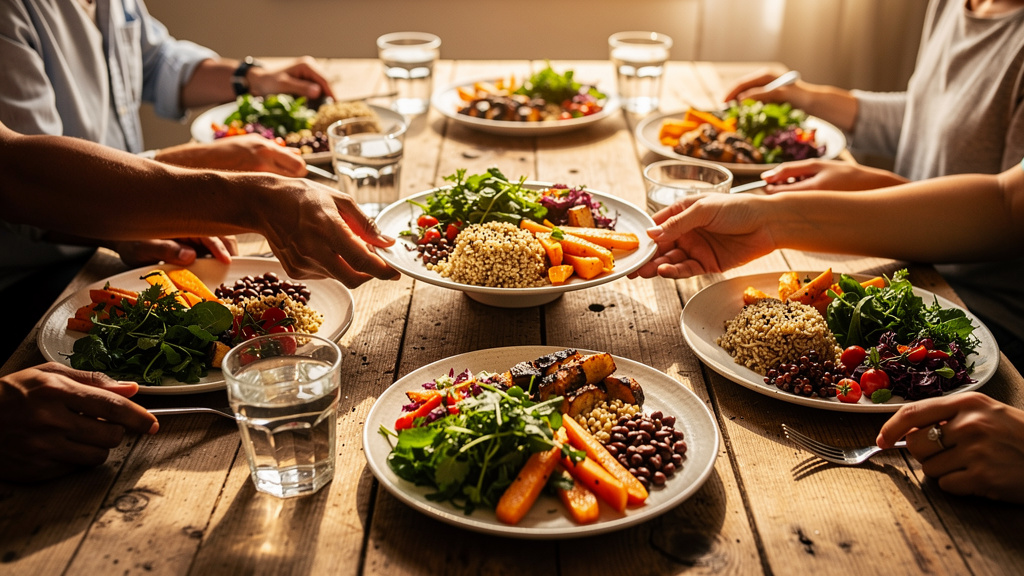
Advocating For Wellness In Your Community
A healthy lifestyle for cancer prevention is not only about personal willpower. It is also shaped by what food is nearby, whether sidewalks feel safe, and how schools and workplaces handle health. Many people face barriers such as limited access to fresh foods, heavy marketing of junk food, or neighborhoods without parks or safe walking paths.
Change at the community level can make healthy choices easier for everyone. For example:
-
At work, people can support vending machines and cafeterias that offer more whole foods and fewer sugary drinks.
-
Walking meetings, stretch breaks, and quiet rooms for meditation give employees time and space to care for their bodies and minds during the day.
-
In neighborhoods, residents can speak up for sidewalks, bike lanes, green spaces, and community gardens.
-
Supporting farmers’ markets or programs that bring produce into low-income areas helps more families eat in line with a healthy lifestyle for cancer prevention.
-
Parents and caregivers can encourage schools to keep physical education strong, serve nourishing meals, and limit access to sugary snacks.
Support groups and wellness circles for cancer survivors, caregivers, and prevention-focused neighbors build social connection around health. Calming the Mind of Cancer envisions communities where guided meditation, nutrition education, and gentle movement classes are accessible to many, not a select few. Each person who asks for healthier options or shares what they have learned adds to this wave of change.
Conclusion
Cancer can feel random and frightening, yet day-to-day choices still matter in deep ways. A healthy lifestyle for cancer prevention weaves together food, movement, sun safety, vaccines, weight balance, stress reduction, screening, and community support. No one can control every risk, but everyone can take steps that support the body’s natural ability to repair and protect itself.
These changes take time. Some days will go smoothly, and other days old habits may return. That is normal. What counts is coming back to gentle, steady choices rather than aiming for perfection. The same habits that lower cancer risk also support more energy, clearer thinking, and a calmer heart.
Calming the Mind of Cancer is here as a partner in this process, offering Om Meditation, guided practices, and nutrition guidance that blend spiritual wisdom with solid science. The next step can be very small. It might be adding one colorful vegetable to dinner, taking a short walk, or sitting for five quiet minutes with the breath. Starting with one kind action today is enough.
As one survivor shared in a Calming the Mind of Cancer session, “I couldn’t control my diagnosis, but I can care for myself kindly each day.”
FAQs
Question 1: Can Lifestyle Changes Really Prevent Cancer If It Runs In My Family?
Genetics do play a role, but they are only part of the picture. A healthy lifestyle for cancer prevention can influence whether certain genes are turned on or stay quiet. For people with a strong family history, habits around food, movement, stress, and smoking matter even more. Added to this, earlier and more frequent screening can find problems sooner. So while no path offers a guarantee, proactive choices truly shift the odds.
Question 2: Is It Too Late To Start Healthy Habits If I’m Already A Cancer Survivor?
It is never too late to support the body. For survivors, a healthy lifestyle for cancer prevention can lower the risk of recurrence and second cancers and also ease side effects like fatigue, brain fog, and poor sleep. New habits do not need to be intense. They can begin with gentle walks, simple plant-based meals, or a few minutes of Om Meditation. Calming the Mind of Cancer offers compassionate support designed especially for survivors who may feel tired or unsure where to begin.
Question 3: How Do I Balance Cancer Prevention With Enjoying Life And Not Living In Fear?
This is a very understandable concern. A healthy lifestyle for cancer prevention should feel like an act of self-love, not a life of strict rules. Many people find that an “eighty twenty” approach works well, where most choices support health and some room remains for treats and social meals. Mindfulness helps reduce fear by bringing attention to the present moment instead of worst-case thoughts. Calming the Mind of Cancer provides mental wellness tools that help people care for their health while still enjoying food, family, and daily pleasures.
Question 4: What’s The Single Most Important Thing I Can Do For Cancer Prevention?
There is no single magic step for everyone, although quitting tobacco is one of the most powerful changes a smoker can make. For most people, the biggest impact comes from several habits working together in a healthy lifestyle for cancer prevention. Food choices, movement, alcohol limits, sun safety, stress relief, and screening all add up. A helpful approach is to start with the change that feels most doable right now and build from there, one habit at a time.
Question 5: Are Supplements Necessary For Cancer Prevention?
For most people, supplements are not needed for a healthy lifestyle for cancer prevention. Whole foods offer vitamins, minerals, fiber, and plant compounds in combinations that pills cannot match. Studies have not shown that high-dose supplements prevent cancer and, in some cases, they may raise risk, especially with large doses of beta carotene or vitamins A and E. A simple multivitamin may be reasonable in some cases but should not replace a nourishing diet. It is always wise to talk with a healthcare provider before starting any supplement, especially during cancer treatment.
Question 6: How Can Meditation And Mindfulness Actually Prevent Cancer?
Meditation supports a healthy lifestyle for cancer prevention in several ways. Regular practice lowers stress hormones, which can reduce chronic inflammation and support immune function. Mindfulness also helps people make steadier choices with food, alcohol, sleep, and movement because they are more aware of triggers and feelings in the moment. Early research suggests that mind-body practices may even influence markers of cellular aging. Calming the Mind of Cancer offers evidence-informed meditation programs, including Om Meditation, that are simple to begin and grow stronger with daily practice. Over time, these quiet minutes can ripple through the whole day in very supportive ways.