Healthy Recipes For Cancer Survivors
Introduction
The first meal after a hard treatment day can feel like standing in front of a locked door. The body is tired, taste buds are different, and yet every message says food matters more than ever. That is exactly where healthy recipes for cancer survivors can become more than “just meals” and start to feel like gentle medicine.
Many survivors say that food used to be simple, and then cancer changed everything. Appetite may come and go. Nausea, fatigue, and taste changes can turn even favorite dishes into something unappealing. At the same time, there can be pressure to “eat perfectly,” which often creates stress instead of comfort.
At Calming the Mind of Cancer, we see food in a softer way. We look at healthy recipes for cancer survivors as small daily acts of care, not strict rules. We blend modern nutrition science with ancient calming practices, so meals support both the body and the mind. A warm bowl of veggie dal, a simple salmon sheet‑pan dinner, or a soothing smoothie can all fit into this healing picture.
As we move through this guide, we will explore how nutrition supports recovery, simple ways to build a healing plate, and practical ideas to manage side effects with food. We will walk through easy healthy recipes for cancer survivors for every meal, time‑saving cooking tricks, and gentle mindfulness tools around eating. By the end, the goal is for each reader to feel less overwhelmed and more supported, one nourishing bite at a time.
Key Takeaways
Before we go deeper, it helps to see the main ideas in one place. These points can guide choices while exploring healthy recipes for cancer survivors.
-
The New American Plate model puts plants at the center of the meal. About two thirds of the plate comes from vegetables, fruits, whole grains, and beans, while one third or less comes from lean protein. This simple picture helps build healthy recipes for cancer survivors without strict counting or complicated rules.
-
Cancer‑protective foods focus on color and variety. Leafy greens, cruciferous vegetables, berries, whole grains, legumes, nuts, seeds, and omega‑3 rich fish bring fiber, antioxidants, and helpful plant compounds. When we mix these foods into everyday meals, we support the body’s natural repair and recovery.
-
Food can ease common treatment side effects. Certain healthy recipes for cancer survivors use bold flavors for taste changes, gentle textures for nausea, and drinkable options when appetite is low. Small, frequent, nourishing meals often work better than forcing large plates of food.
-
Time‑saving methods keep cooking realistic on low‑energy days. One‑pan meals, slow cooker dishes, freezer‑friendly batches, and simple meal prep help keep healthy recipes for cancer survivors on the table with less effort. Convenience items like pre‑cut veggies can be part of this caring plan.
-
The mind and body are closely linked at mealtime. When we add mindful breathing, gratitude, and self‑kindness to eating, digestion and comfort often improve. Even tiny shifts in how we approach food can support long‑term wellness, one step at a time.
Understanding Nutrition’s Role In Cancer Survivorship
During and after treatment, nutrition becomes more than background noise, with comprehensive nutrition management for cancer patients showing measurable impacts on recovery and quality of life. The body is working hard to repair tissues, fight infection, and rebuild strength. Food gives the raw materials for that work. When we choose healthy recipes for cancer survivors, we are feeding the immune system, muscles, gut, and even mood.
Good nutrition can help steady energy levels, support a healthy weight, and ease some side effects. Protein helps repair cells and maintain muscle. Fiber from plants supports digestion and a healthy gut microbiome, which is linked with immune health. Colorful fruits and vegetables bring vitamins, minerals, and plant compounds that help protect cells from damage.
We also know that needs change over time. A person might need more calories during treatment, then focus more on heart health and cancer risk reduction after treatment ends. There is no single perfect plan for everyone. Instead, we listen to the body, notice what feels comfortable, and build healthy recipes for cancer survivors around those signals.
The American Institute for Cancer Research advises people to “eat a diet rich in whole grains, vegetables, fruit and beans” to support long‑term health.
The New American Plate: Your Foundation For Healing
The New American Plate model offers a simple way to picture a healing meal. When we follow this idea, about two thirds of the plate is filled with vegetables, fruits, whole grains, and beans. The last third or less holds lean proteins such as fish, poultry, tofu, or beans again.
This pattern naturally builds meals high in fiber, vitamins, minerals, and phytochemicals. For example, a plate might hold roasted salmon, a generous mix of roasted Brussels sprouts and carrots, and a scoop of quinoa. That plate fits many healthy recipes for cancer survivors while staying easy to remember.
This model can also support weight management and lower the risk of other chronic conditions such as heart disease and type 2 diabetes. It is meant to be flexible, not strict. Some days might be heavier on grains, other days on beans and vegetables. The goal is to let plants take center stage while protein plays a strong supporting role.
Cancer-Protective Foods To Embrace
When we design healthy recipes for cancer survivors, we lean on foods that give a lot of nutrition in every bite, with careful attention to food and nutrition choices that support healing and long-term wellness. Many of these foods contain antioxidants and phytochemicals, natural plant compounds that help protect cells from damage. No single food can prevent cancer, yet the overall pattern of eating makes a real difference over time.
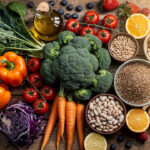
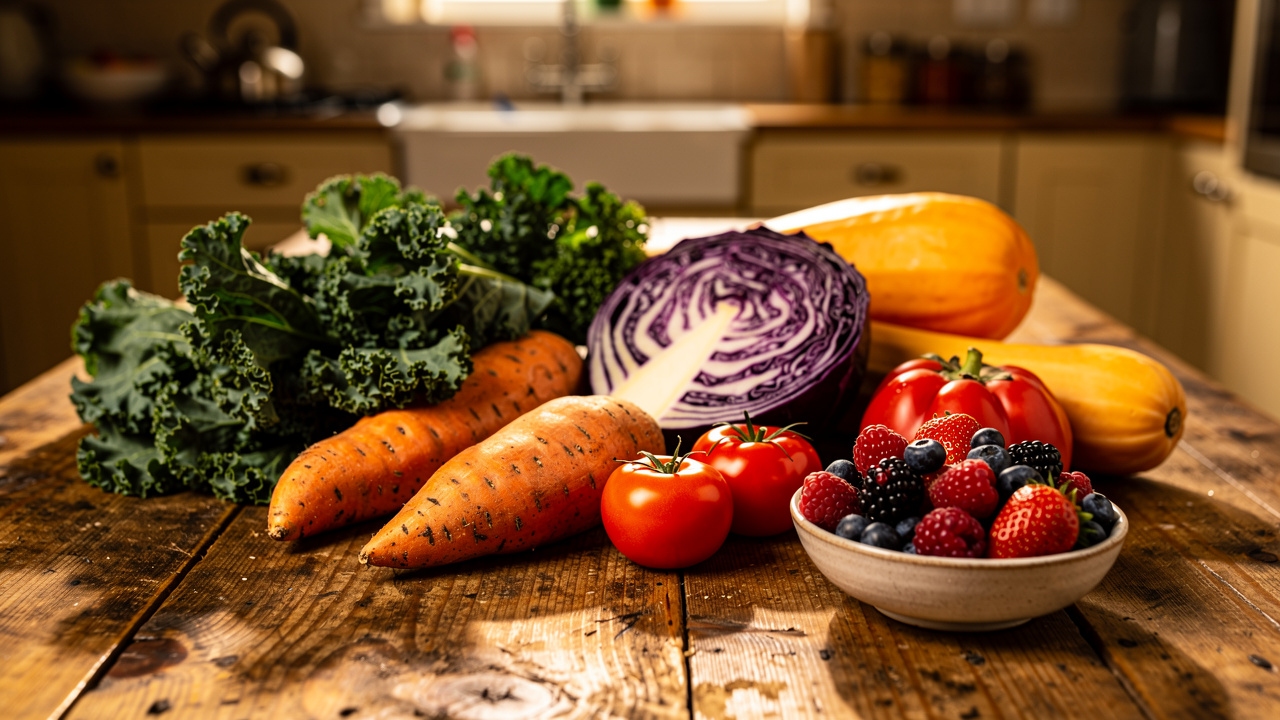
One helpful rule of thumb is to eat the rainbow. Different colors often signal different nutrients. Dark green leafy vegetables, deep orange squash, red berries, and purple cabbage all bring their own helpful plant chemicals. Whole grains, beans, nuts, and seeds round out the plate with steady energy and satisfying texture.
Most of all, every positive food choice counts. Even adding one extra serving of vegetables to a favorite dish or swapping white rice for quinoa is a kind step. We do not need perfect meals to gain benefits. We simply keep nudging our healthy recipes for cancer survivors toward more color, more fiber, and more whole foods.
Colorful Fruits And Vegetables: Nature’s Pharmacy
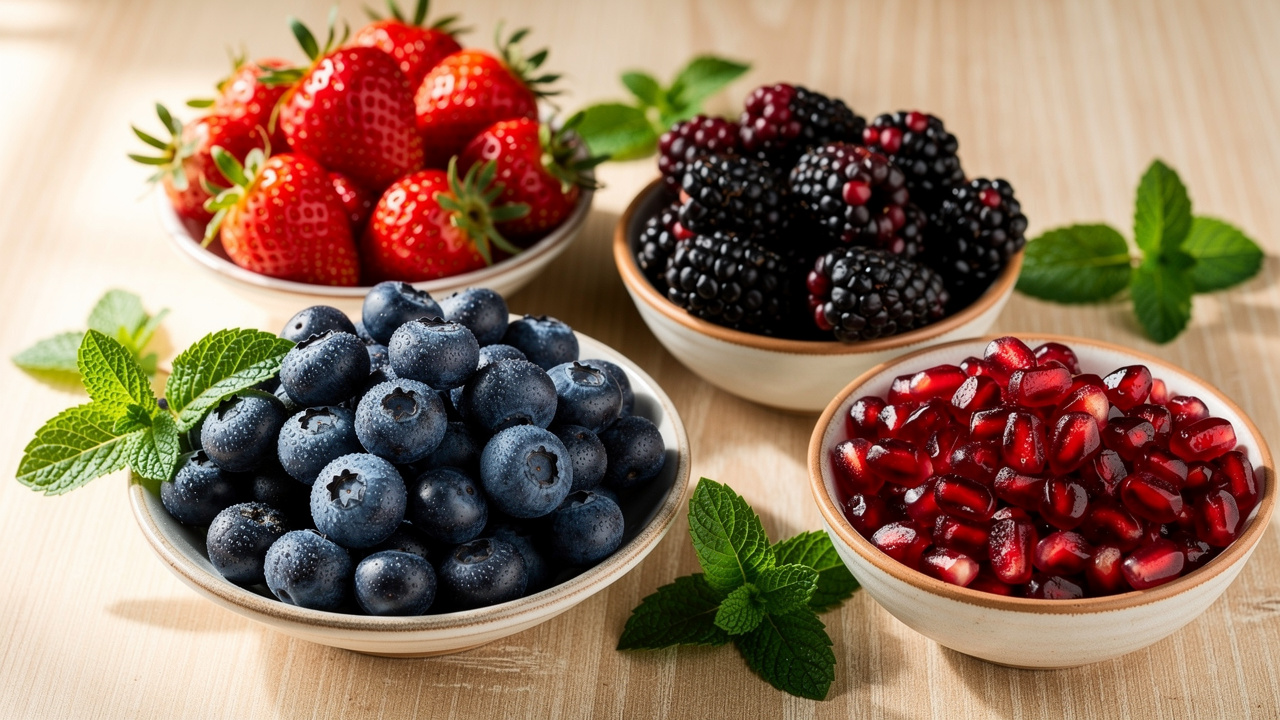
Leafy greens such as kale, spinach, and Swiss chard are rich in vitamins A, C, and K, folate, and fiber. They support immune function, bone health, and digestion. We can blend them into smoothies, tuck them into omelets, or sauté them with garlic as a quick side dish.
Cruciferous vegetables such as broccoli, cauliflower, Brussels sprouts, and cabbage contain special plant compounds that support natural detox processes in the body. Roasting them with olive oil and herbs makes them caramelized and sweet, which works well in healthy recipes for cancer survivors that need gentle but flavorful food. Finely shredded cabbage can also add crunch to tacos or salads.
Berries and pomegranates are packed with powerful antioxidants. They are easy to sprinkle over oatmeal, yogurt, or salads. Tomatoes bring lycopene, a helpful plant compound that becomes even more available when tomatoes are cooked in a little olive oil. A simple tomato and vegetable soup, or a tray of roasted tomatoes added to whole‑grain pasta, fits beautifully into everyday healing meals.
Whole Grains And Legumes: Fiber-Rich Foundations
Whole grains such as oats, quinoa, barley, sorghum, and brown rice are steady fuel for the body. Their fiber supports regular digestion and may lower the risk of colorectal cancer. A warm bowl of oatmeal with berries in the morning or a quinoa and vegetable salad at lunch are simple examples of healthy recipes for cancer survivors built around grains.
Legumes such as lentils, chickpeas, and black beans provide plant‑based protein, iron, and even more fiber. They help keep blood sugar steady and keep us full between meals. They are easy to mix into everyday dishes like:
-
Lentils stirred into soups or stews
-
Chickpeas added to salads, grain bowls, or blended into hummus
-
Black beans mashed into taco fillings or burritos
Cooking larger batches and freezing portions makes weekday meals much easier.
Small swaps add up over time. Replacing white bread with whole‑grain bread or using brown rice instead of white in a stir fry gently shifts the diet toward better support for healing and long‑term wellness.
Healthy Fats And Omega-3 Rich Foods
Healthy fats are an important part of healthy recipes for cancer survivors, though we should note that specialized approaches like the Budwig diet require careful evaluation and medical guidance before implementation. Omega‑3 fatty acids, found in salmon, sardines, trout, walnuts, ground flaxseeds, and chia seeds, help calm inflammation in the body. This can be especially helpful during and after treatment, when tissues are repairing.
Other helpful fats come from avocados, olive oil, nuts, and seeds. These fats aid in absorbing fat‑soluble vitamins such as A, D, E, and K and support cell structure. A small handful of nuts, a drizzle of olive oil on roasted vegetables, or a few slices of avocado on whole‑grain toast can be enough to gain benefits. Fat is very energy dense, so we usually do not need large amounts to feel the effects.
Managing Treatment-Related Side Effects Through Food
Side effects from treatment can make eating feel confusing and stressful. Food might taste metallic, smell too strong, or seem completely uninteresting. Nausea, mouth sores, or digestive upset can further limit choices. In these moments, strict food rules are not helpful. Gentle, flexible healthy recipes for cancer survivors work much better.
We can think of food as something that adapts to the body’s current state. Some days may call for soft, bland foods. Other days, bold flavors may be the only thing that cuts through dull taste. Small snacks may feel more doable than full plates. The key is self‑compassion and creativity, not perfection.
Nutrition still matters, yet it is fine if it looks different during harder weeks. Sipping a smoothie for breakfast, eating a baked potato with beans at lunch, and nibbling on hummus with crackers at night still provide meaningful support.
Many oncology dietitians remind their patients that “any calories and protein you can manage on a hard day are worth celebrating.”
Navigating Taste Changes And Loss Of Appetite
Treatments often affect taste and smell because they can irritate the cells that line the mouth and nose. Foods may taste bitter, metallic, or just “off.” To keep healthy recipes for cancer survivors appealing, we can lean on ingredients that bring deep or bright flavor even when taste buds are not at their best.
Umami‑rich foods such as mushrooms, miso, and a splash of low‑sodium soy sauce can make broths, stir fries, and marinades more satisfying. Fermented foods such as yogurt, kefir, or small amounts of kimchi and pickles add tang that can cut through metal tastes. Fresh herbs and spices such as basil, mint, ginger, garlic, and turmeric can wake up simple dishes like rice bowls or scrambled eggs.
Acid from lemon or lime juice or mild vinegar often helps food taste fresher. A squeeze over baked fish, roasted vegetables, or even lentil soup can make a big difference. Gentle experimenting without pressure is helpful. If one dish does not work, that is information, not failure, and we can adjust the next recipe.
Eating When Fatigue Overwhelms
Fatigue is one of the most common and draining side effects of treatment. Standing in the kitchen to cook can feel nearly impossible. Here is where truly simple healthy recipes for cancer survivors can make life easier.
One‑pan and sheet‑pan meals keep both effort and cleanup low. For example, we can place salmon fillets, chopped sweet potatoes, and Brussels sprouts on one tray, drizzle with olive oil and herbs, and bake. Slow cookers or electric pressure cookers can create soups, stews, and dals with only a few minutes of active work.
On very low‑energy days, smoothies or blended soups can stand in for full meals. Blending frozen berries, spinach, yogurt, and a spoonful of nut butter creates a balanced drinkable meal. Prepping grains, roasted vegetables, and cooked beans on higher‑energy days means we can later toss together bowls with almost no work. Accepting help from friends, family, or meal delivery services is also part of caring for the body, not a sign of weakness.
Simple, Nourishing Recipes For Every Meal
Now we bring these ideas into the kitchen. The following meal ideas are not strict recipes with exact measurements, but flexible patterns. Each one fits the New American Plate model and can be turned into healthy recipes for cancer survivors with small tweaks based on taste and tolerance.
We focus on meals that are gentle on digestion, rich in nutrients, and realistic for different energy levels. Some can be made ahead and stored, while others come together in minutes. As we read through them, we can notice which ones feel comforting or interesting, and start there.
Energizing Breakfast Recipes
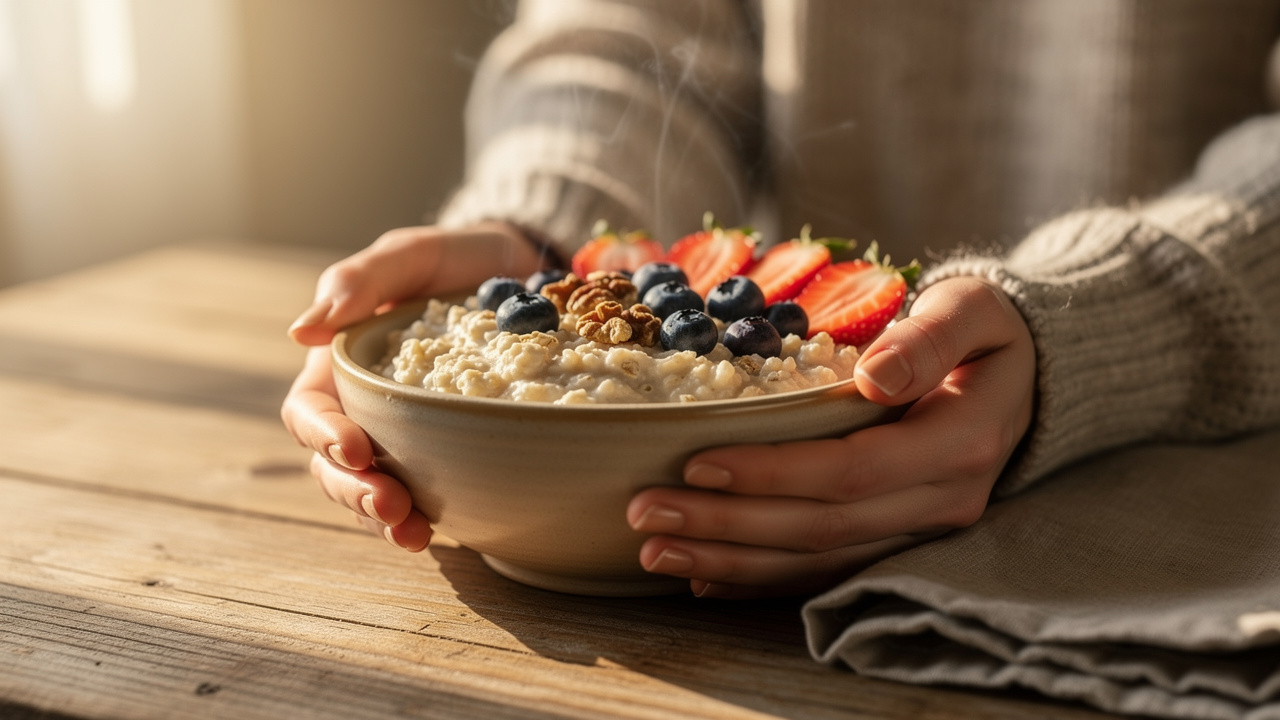
Breakfast can set the tone for the day, especially during treatment and recovery. A warm bowl of oatmeal cooked with milk or a milk alternative, topped with fresh or frozen berries and a sprinkle of walnuts or ground flaxseeds, brings fiber, antioxidants, and healthy fats. This is one of the simplest healthy recipes for cancer survivors and can be softened with extra liquid if chewing is hard.
Make‑ahead salmon and vegetable egg muffins provide protein and vegetables in a grab‑and‑reheat form. We can whisk eggs with chopped spinach, bell peppers, and small pieces of cooked salmon, then bake in a muffin tin. Mashed avocado on whole‑grain toast with a little feta and pumpkin seeds is another easy option with healthy fats and minerals.
For days when cooking in the morning feels hard, pumpkin spice overnight oats or yogurt parfaits assembled the night before can help. A slice of whole‑grain toast topped with sautéed chard, a fried or poached egg, and a little cheese brings greens into the morning in a gentle way.
Nutrient-Dense Snacks
Snacks help keep energy steady and are often easier to manage than large meals. Homemade hummus made from blended chickpeas, olive oil, lemon juice, and garlic pairs well with carrot sticks, cucumber slices, or whole‑grain crackers. This is a go‑to pattern for healthy recipes for cancer survivors who prefer nibbling through the day.
Roasted spiced chickpeas or pumpkin seeds offer a crunchy, portable snack full of protein and minerals. Apple slices drizzled with nut butter and sprinkled with sunflower or chia seeds make a fun “apple nacho” plate. Small lettuce wraps filled with smashed chickpeas and avocado can be ready in about ten minutes and work well when only a few bites feel comfortable.
Plant-Forward Main Dishes
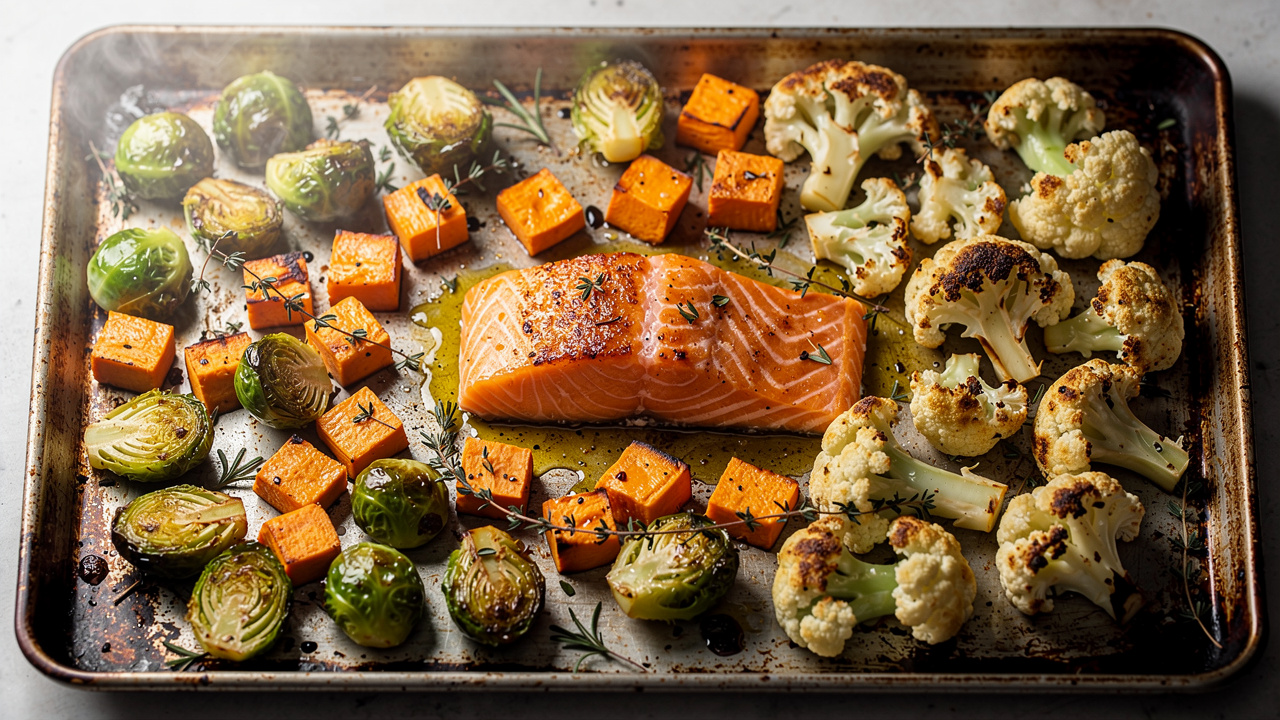
Plant‑forward main dishes make it easier to follow the New American Plate model. A sheet‑pan dinner with salmon, roasted fall vegetables such as Brussels sprouts and sweet potatoes, and a side of quinoa or brown rice brings omega‑3s, fiber, and plenty of color. This type of meal is at the heart of many healthy recipes for cancer survivors.
A lentil and vegetable enchilada bake, made with cooked lentils, sautéed peppers and onions, tomato sauce, and a sprinkle of cheese, is cozy and full of plant protein. A “glow bowl” with roasted cauliflower, sweet potatoes, chickpeas, greens, and a turmeric tahini dressing offers both comfort and anti‑inflammatory ingredients. Crispy cauliflower tacos with slaw and avocado can make vegetables feel fun and satisfying.
One‑pot veggie dal, made with lentils, tomatoes, onions, garlic, ginger, and warming spices, is soothing, high in protein, and easy to digest. For those who eat poultry, a slow‑cooked chicken, mushroom, and spinach quinoa dish can provide a creamy, comforting bowl without heavy cream.
Bright Salads And Sides
Salads and side dishes can quietly add a lot of nutrition. A salad made from chopped kale, roasted butternut squash, and pomegranate seeds offers color, fiber, and powerful plant compounds. Mediterranean‑style quinoa salad with cucumbers, tomatoes, olives, and a light olive oil and lemon dressing turns a side into a full meal.
Beet salad with peach slices and walnuts brings natural sweetness, crunch, and healthy fats. Roasted Brussels sprouts with a touch of balsamic, or asparagus roasted with garlic and olive oil, show how cruciferous and green vegetables can taste rich and not bitter. Quick sautéed greens with mushrooms and garlic finish many plates and tie into our theme of gentle healthy recipes for cancer survivors.
Practical Cooking Strategies For Cancer Survivors
Even the best recipes do not help if cooking feels too hard. That is why we pair healthy recipes for cancer survivors with practical cooking strategies. Our goal is not perfect meal planning. Our goal is to match food prep with real energy levels, emotions, and daily life.
We give ourselves permission to keep things simple, to repeat meals that work, and to use shortcuts when needed. Some days might feature colorful bowls full of roasted vegetables. Other days might be about toast with hummus and a smoothie. Both can support healing when chosen with care.
Time-Saving Cooking Methods
Time‑saving methods protect energy while still bringing nourishing food to the table. One‑pan and sheet‑pan meals let us toss protein and vegetables together, season them, and bake. Cleanup is fast, and the oven does most of the work. This style fits many healthy recipes for cancer survivors, from fish with vegetables to tofu with mixed greens.
Slow cookers and electric pressure cookers handle soups, stews, dals, and grain dishes while we rest. We can also batch‑cook quinoa, brown rice, and beans on higher‑energy days and freeze them in small containers. Later, these building blocks can turn into bowls, salads, or quick stir fries.
Using pre‑cut vegetables, canned beans, frozen fruits, and bagged salads is another wise strategy. These foods are often just as nutritious as fresh and remove several steps from cooking. Simple ingredient swaps, such as buying rotisserie chicken to shred into soups or salads, can keep healthy recipes for cancer survivors within reach on tough days.
Building Your Healing Kitchen
A well‑stocked kitchen makes it easier to put together healing meals without much thought. It can help to keep pantry shelves filled with:
-
Whole grains such as oats, quinoa, brown rice, and barley
-
Canned or boxed beans, tomatoes, and low‑sodium broths
-
Nuts, seeds, and nut butters for quick protein and healthy fats
In the freezer, bags of mixed vegetables, berries, and portions of cooked grains or beans are very helpful. Frozen fish fillets or pre‑portioned chicken breasts can be turned into fast dinners. The refrigerator can hold fresh produce, yogurt, eggs, hummus, and leafy greens ready to toss into healthy recipes for cancer survivors.
Simple tools also make a difference. A good sheet pan, a slow cooker, a blender, and a sharp knife can cover most meals. Keeping the most‑used items within easy reach saves effort on low‑energy days. At Calming the Mind of Cancer, we often guide people to restock gently over time, one or two items per shopping trip, so the kitchen becomes a steady base for healing.
The Mind-Body Connection In Nourishing Yourself
Food is not only physical fuel. The way we think and feel while eating can change how the body digests and uses that food. Stress can slow digestion and tighten muscles, while a calmer state can help the body absorb nutrients more smoothly. This is why we weave mindfulness practices into our work with healthy recipes for cancer survivors.
Mindful eating does not mean eating in complete silence or judging every bite. Instead, it means pausing for a moment, noticing the colors and smells of the meal, and taking a few slow breaths before the first bite. This small pause signals safety to the nervous system and can soften tension in the stomach.
A simple reminder from mindfulness practice is to “come back to the body, come back to the breath,” which can gently guide how we sit with a meal.
At Calming the Mind of Cancer, we bring together ancient meditation tools and modern nutrition science. We may guide someone to place a hand on the heart and belly, breathe in slowly for a count of four, breathe out for a count of six, and silently thank the people and elements that brought this meal to the plate. This can turn healthy recipes for cancer survivors into small rituals of self‑love rather than chores.
We also gently release guilt around food. There is room for comfort foods, for days with less appetite, and for changes in taste. What matters most is kindness toward the body and a sense of trust that it is doing its best. Listening to hunger and fullness signals, noticing what feels good afterward, and adjusting over time all support this mind‑body connection.
Conclusion
Living with and beyond cancer often changes the entire relationship with food. Choices that once felt simple may now carry questions and worries. Through this guide, we have seen how healthy recipes for cancer survivors can bring both comfort and strength when they are grounded in plants, lean proteins, healthy fats, and mindful care.
We talked about building plates with mostly vegetables, fruits, whole grains, and beans, and adding side‑by‑side proteins that support repair. We explored simple ways to manage side effects, from bold flavors for taste changes to one‑pan meals for fatigue. We also looked at time‑saving strategies and kitchen setups that make nourishing options easier to reach.
Most of all, we returned again and again to self‑compassion. Progress, not perfection, supports long‑term wellness. At Calming the Mind of Cancer, we stand for a gentle path where meditation, emotional support, and healthy recipes for cancer survivors work together. A person does not need to change everything at once. Choosing one new recipe to try this week, taking three slow breaths before a meal, or adding one extra serving of vegetables is a powerful start.
FAQs
Question 1: What Should I Eat If I Have No Appetite During Treatment?
When appetite is low, it often helps to focus on small, frequent, nutrient‑dense meals instead of large plates of food. Smoothies, blended soups, and yogurt bowls pack calories, protein, and vitamins into small volumes, which works well in many healthy recipes for cancer survivors. Cold or room‑temperature foods can feel easier to tolerate than hot foods for some people. Sipping ginger tea or adding a little ginger to meals may ease nausea. Most of all, we listen to what sounds manageable in the moment and start there, even if it is just a few bites at a time.
Question 2: Are There Foods I Should Avoid As A Cancer Survivor?
Research suggests that limiting processed meats such as bacon and sausage, as well as large amounts of red meat, is wise. Highly processed snacks and sugary drinks do not offer much nutrition, so we try to keep them small. Many survivors choose to avoid alcohol or keep it very minimal. If the immune system is low, some people need to be careful with raw seafood or unwashed produce until counts improve. We prefer to focus on what to add through healthy recipes for cancer survivors rather than only what to avoid. It is always best to check with the oncology and nutrition team for personal guidance.
Question 3: How Can I Maintain A Healthy Weight During And After Treatment?
Weight changes during cancer care are common, and they can go in either direction. Instead of strict dieting, we look at overall patterns. The New American Plate model, with most of the plate made of plants and a smaller portion of lean protein, naturally supports a steady weight. Regular, balanced meals and snacks, gentle movement when possible, and mindful eating all help. When we build healthy recipes for cancer survivors, we aim for plenty of protein, fiber, and healthy fats so the body feels nourished. Working with an oncology dietitian can give very specific targets and extra support.
Question 4: Can Certain Foods Help Prevent Cancer Recurrence?
No single food can promise that cancer will not return, and we stay honest about that. However, research points to clear patterns that support long‑term health. Diets rich in vegetables, fruits, whole grains, legumes, nuts, and seeds, with smaller amounts of animal protein, are linked with lower risk of several cancers and other illnesses. Foods high in antioxidants and phytochemicals, such as berries, leafy greens, and cruciferous vegetables, can support healthy cells. Keeping a stable, healthy weight and staying active also matter. When we build healthy recipes for cancer survivors around these ideas, we help the body in many meaningful ways over time.
Question 5: How Do I Start Eating Healthier When I Feel Overwhelmed?
Feeling overwhelmed is very common, especially with so much nutrition advice online. We like to start very small. One step might be adding a serving of vegetables to a meal that already feels familiar or trying one new simple recipe this week that fits the idea of healthy recipes for cancer survivors. Stocking the kitchen with a few key items such as frozen vegetables, canned beans, and whole‑grain bread gives an easy base. It is fine to lean on pre‑cut vegetables and other shortcuts. Asking family, friends, or community groups for help with shopping or cooking can also ease the load. At Calming the Mind of Cancer, we encourage celebrating each small change and remembering that healing is a process, not a race.