
Introduction
Some days, hope during cancer feels like a speck on a faraway horizon that no one can reach. The body hurts, the mind feels tired, and even simple tasks seem huge. On those days, it is easy to wonder if hope has quietly left the room.
Hope during cancer is not a switch that stays on. It moves and shifts from week to week and even from hour to hour. At first it may center on a cure, then on getting through a round of treatment, then on a peaceful, pain-free afternoon with family. As Viktor Frankl observed after surviving a concentration camp, people who connect with meaning and purpose can carry on even in situations that seem impossible.
“Those who have a why to live can bear almost any how.”
— Viktor E. Frankl
Researchers now note that when hopelessness settles in, outcomes tend to be worse, while a steady will to live supports resilience. That does not mean anyone must smile through every appointment or pretend everything is fine. This space is not about forced optimism. It is about gentle, realistic ways to hold even a very small light and to name the hard truths out loud.
Calming the Mind of Cancer stands beside that light. By weaving meditation, spiritual practice, and modern nutritional science, it offers practical tools for mind and body. In this article, the focus is simple and kind. You will explore how hope during cancer can grow again through small goals, calming practices, nourishing food, honest connection, and professional support when the weight feels too heavy to carry alone.
Key Takeaways
Hope during cancer does not stay the same from one stage to the next. It can move from cure, to comfort, to simple moments of peace. Letting it change keeps it alive instead of rigid or forced.
Small, personal goals give each day a sense of purpose. They can be as simple as seeing a sunrise or finishing a puzzle. Reaching one goal helps the mind believe that another good moment is still possible.
Mind-body practices such as meditation and gentle mindfulness help calm racing thoughts. They lower stress, soften fear, and create pockets of quiet inside the chaos. These pockets often make room for hope during cancer to return.
Food choices influence energy, mood, and mental clarity. Supportive nutrition, along with professional help when needed, builds a stronger base from which hope can grow. Asking for extra support is a sign of care, not defeat.
Why Hope During Cancer Feels So Hard To Hold Onto
A cancer diagnosis is not regular stress. It touches every part of life at once, from the body and sleep to work, family, and plans for the future. When test results, appointments, and side effects pile up, it makes sense that hope during cancer can feel thin or even disappear for a while.
Hope itself does not stay fixed. At first, many people hope for clear scans or for treatment to remove every trace of disease. Later, hope may rest on getting through chemotherapy or radiation with enough strength to attend a child’s game or share a special meal. For others, especially when the illness is advanced, hope may focus on comfort, time with loved ones, and meaning in the days that remain. None of these forms is better than another; each one is simply honest for that moment.
Physical symptoms make this even harder. Common treatment effects such as:
Pain
Nausea or appetite loss
Brain fog or trouble concentrating
Deep fatigue
can drain emotional reserves. It is difficult to feel hopeful when standing up feels like climbing a mountain. That is why hope during cancer must stay honest. It is not the same as telling yourself everything is fine. Hope is the quiet voice that says, “This is hard, and I will still take the next step.” As Lance Armstrong has said, as long as someone takes the one percent chance that exists, there is a second chance for life.
Down days do not mean a person has failed at hope. They show that the situation is real and heavy. Feelings rise and fall just like lab numbers. When hope fades, it can return in a new form, often smaller and more personal, but still very real.
“Hope is being able to see that there is light despite all of the darkness.”
— Desmond Tutu
Practical Strategies For Growing Hope On Difficult Days

When a day feels heavy, huge goals can add pressure. What often helps most is a very small step. Concrete actions give the mind something to hold onto when fear and uncertainty feel too strong. Hope during cancer often grows in these ordinary, gentle choices.
One powerful practice is to set small, meaningful goals. These are not giant plans for the future. They might be as simple as:
Staying long enough at a grandchild’s concert to hear one song
Caring for a plant until it flowers
Finishing a short book or favorite series
Walking to the mailbox and back
Many people describe deep peace when they reach one of these modest goals, even when medical news stays mixed. Each achieved goal proves that life is still unfolding, not frozen at the moment of diagnosis.
After one goal is complete, it can help to mark it in some way. A favorite meal, a call with a friend, or a short walk outside can act as a quiet celebration. Then a new goal can take shape, perhaps for the coming week instead of the coming year. This rhythm sends a strong message to the mind: one fulfilled hope creates space for the next.
Everyone follows a different inner path, so each person’s way of finding hope will look different. A few broad paths can offer ideas when nothing seems to help at all.
Some people lean on fact-based research. They read about treatment options, ask questions, and may even seek a second opinion. Clear information gives them a sense of order and control, which can make hope during cancer feel more solid.
Others draw strength from faith or spiritual beliefs. Prayer, spiritual songs, sacred texts, or support from a faith leader can hold them when fear is high. The sense that a loving presence walks beside them can make each day feel more bearable.
Many people gain hope from future-focused plans. They picture sitting at a holiday table, attending a wedding, or finishing a creative project. Even if details may change, these images call the mind forward rather than leaving it stuck.
Some find energy by trying new experiences. This might mean writing a poem, watching a sunrise, or visiting a nearby park for the first time. New experiences can loosen the grip of fear and remind the body that joy is still possible.
Creative and expressive outlets also support hope during cancer. A hope journal, for example, can hold short notes about what helped each day, even something as small as a kind nurse or a favorite song on the radio. Simple prompts such as:
One thing that helped me today was…
Right now, I feel…
Something I am looking forward to, even a little, is…
can make it easier to put thoughts on paper. Doodling in the margins, adding photos, or saving cards from loved ones turns that notebook into a physical reminder that support is real. Drawing, music, or gentle crafts offer space for feelings to move instead of staying stuck inside.
Connection is another steady source of strength. Sharing even a little bit of the story with trusted people can ease the sense of isolation. Talking with the medical team about fears and wishes may open new options for care. Speaking with a long-term survivor who faced a similar diagnosis can be especially powerful. Hearing someone say, “I sat where you sit now, and my life still contains joy,” can make hope during cancer feel possible again.
How Mind-Body Practices And Nutrition Support Hope
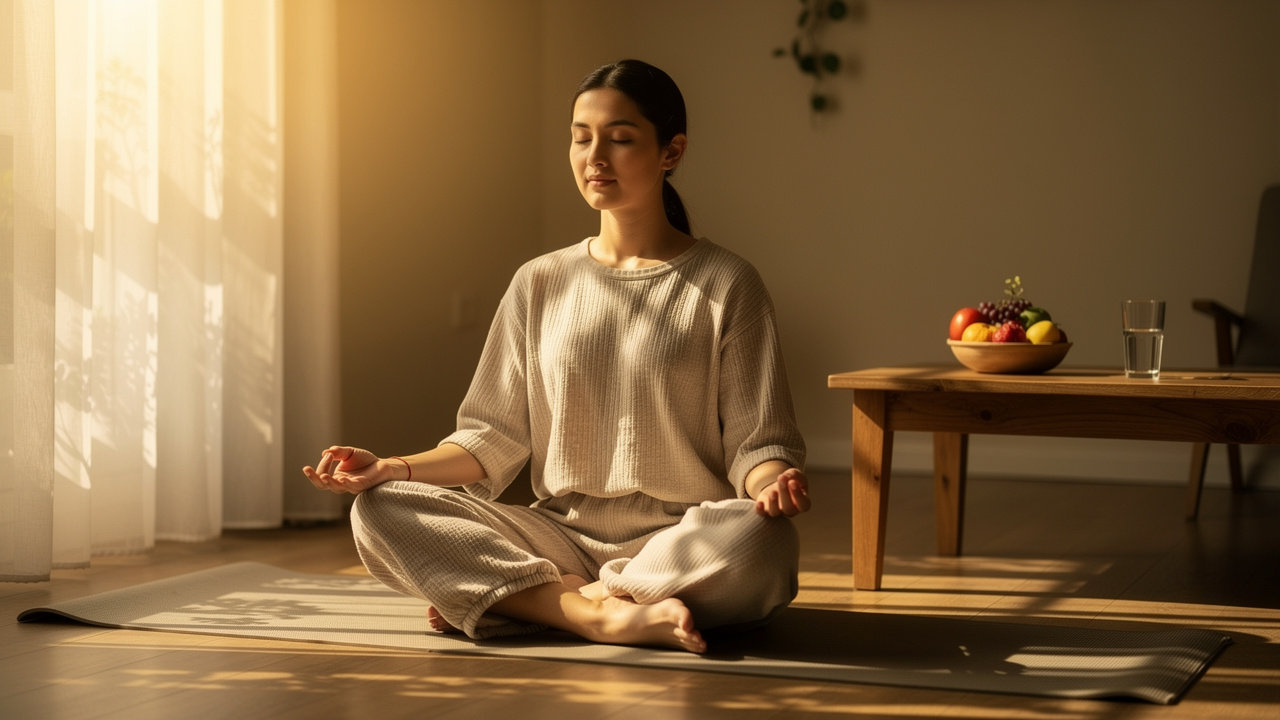
Emotions and the body are deeply linked. When stress rises, heart rate and blood pressure often rise too. When the nervous system calms, digestion, sleep, and immunity can improve. This mind-body connection means that caring for mental health during a cancer process is not a luxury; it is a key part of care.
Supportive treatment that eases pain, nausea, and fatigue often makes hope during cancer feel more reachable. When symptoms quiet down, even a little, the mind has more space for rest and comfort. Simple things such as:
A full night of sleep
Less queasiness or stomach upset
A short walk down the hallway or outside
can restore a sense of possibility.
Meditation and mindfulness offer practical tools here. Calming the Mind of Cancer focuses on methods such as Om Meditation that fit the needs of people dealing with cancer. These practices use gentle focus on sound, breath, or body to settle racing thoughts. Over time, many people notice less anxiety, fewer sudden waves of panic, and more moments of steady presence. Mindfulness does not erase fear or sadness; it helps a person witness those feelings instead of feeling trapped inside them.
“You can’t stop the waves, but you can learn to surf.”
— Jon Kabat-Zinn
Nutrition forms the other side of this support. Treatment often affects appetite, taste, and digestion. Low blood sugar, dehydration, or lack of key nutrients can dull mood and weaken the sense of hope during cancer. With this in mind, Calming the Mind of Cancer offers guidance on foods that support energy and healing, such as:
Colorful fruits and vegetables
Healthy fats from sources like olive oil, nuts, and seeds
Protein that the body can tolerate, whether from beans, fish, eggs, or other options
Plenty of fluids to prevent dehydration
These choices can stabilize mood and sustain stamina so that emotional work feels a little less heavy.
What makes Calming the Mind of Cancer stand out is the way it joins spiritual practice with nutritional science in one gentle place. A person can learn a simple meditation, then read about a food plan that supports their next treatment cycle. This is not another to-do list. It is a set of small, kind options that respect the whole person and leave room for rest.
When To Seek Professional Support
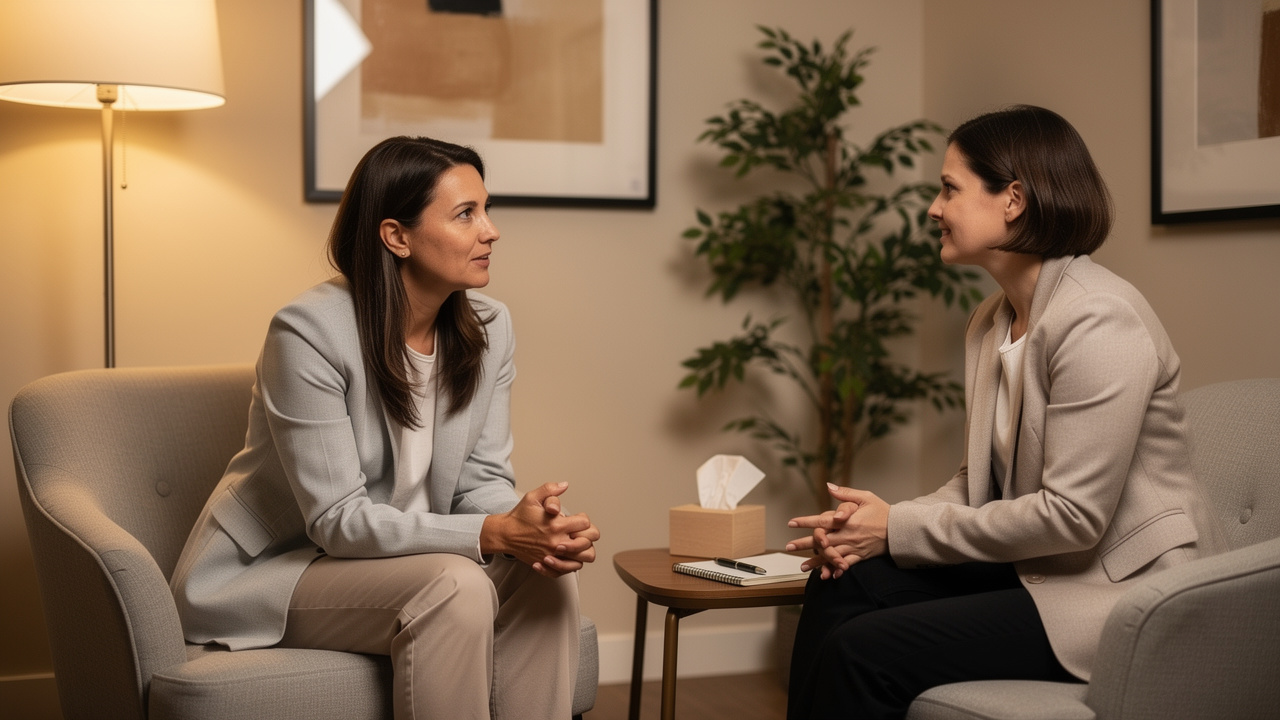
Even with goals, meditation, and loving support from family, there are times when hope during cancer feels distant for more than a few days. Sleep may stay poor, interest in favorite activities may fade, or thoughts may turn often toward despair. In these times, professional support is not only helpful, it can be life-saving.
Signs that extra help may be needed include:
Ongoing sadness or emptiness most of the day for two weeks or more
Losing interest in people or activities that once mattered
Feeling numb, hopeless, or like a burden to others
Thoughts of self-harm or wishing you would not wake up
Most cancer centers in the United States have oncology social workers on staff. These professionals understand both the medical and emotional sides of cancer. They can offer counseling, suggest support groups, and connect people with financial or practical resources. They can also help families talk together about hard topics that feel too sharp to face alone.
A therapist who understands cancer can be another vital ally. When searching for one, it helps to ask clear questions so that the person feels like a true partner in care.
Ask whether they have worked with people who have cancer. Pay attention to how comfortable they sound. Notice whether their answers help you feel more at ease.
Ask how they understand the emotional impact of diagnosis and treatment. Listen for words that match your own experience. Trust your sense of whether they truly hear you.
Ask whether they know local groups or services for people with cancer. Community support often eases the load. A therapist who knows these options can guide you toward extra help.
Ask how their fees and insurance work. Clear information about money reduces extra stress. That clarity lets therapy focus on healing the heart and mind.
If you ever have thoughts of harming yourself or feel you cannot stay safe, contact a crisis line, call your local emergency number, or go to the nearest emergency room right away. Immediate help is a form of care, not a sign of weakness.
Seeking help in these ways is one of the strongest moves a person can make. It says, “My life matters enough to ask for support.” That alone is a deep form of hope.
“What mental health needs is more sunlight, more candor, and more unashamed conversation.”
— Glenn Close
Conclusion

Hope during cancer does not need to be bright or bold. It can be as quiet as the choice to get out of bed, open a window, or send a short text to a friend. It can live in a schedule of treatments, a deep conversation, or a moment of stillness before sleep.
Hope also bends and returns. It changes shape as tests, scans, and symptoms change. Yet with small goals, creative expression, mind-body practices, thoughtful nutrition, honest connection, and skilled professional help, there are many paths back to that inner spark. No one has to use every tool; even one or two can make the day feel more possible.
Calming the Mind of Cancer exists to walk beside that process, offering meditation, mindfulness, and nutritional guidance in a calm, caring way. It is here to support both body and spirit while each person finds their own way with hope during cancer.
You do not have to find hope all at once. Sometimes, it begins with one small step, one quiet breath, one new goal.
FAQs
What Does Hope During Cancer Actually Look Like In Real Life
Hope during cancer rarely looks like constant smiles or big speeches. More often, it appears as a steady decision to keep one small plan for the day. It can be taking medicine on time, calling a friend, or watering a plant. These modest, everyday actions still count as real hope, especially when they are chosen on very hard days.
How Can Someone Stay Hopeful When Treatment Feels Unbearable
When treatment feels too hard, it helps to narrow focus to very short time frames. Aim for the next hour, not the next year. Gentle breathing, simple meditation, or a calming phrase can soften the body’s stress response. Reaching out to a support group, survivor, or nurse can share the weight of the fear so that you do not carry it alone.
Is It Normal To Lose Hope During Cancer
Yes, it is completely normal for hope during cancer to fade at times. Hard news, painful side effects, or long hospital stays can drain even the strongest spirit. Losing hope for a while does not mean it will never come back. If emptiness or despair lingers, speaking with an oncology social worker or therapist is an important next step toward support.