
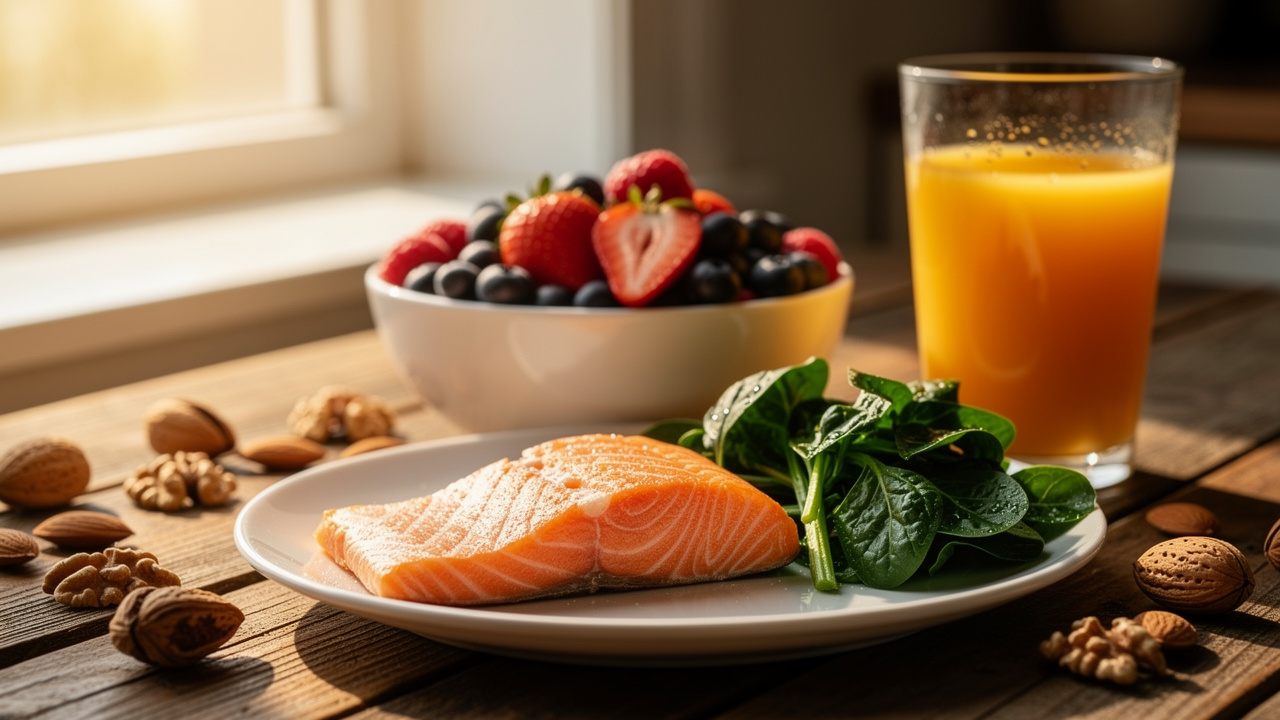
Introduction
Late at night, when the house is quiet, worries about health often grow loud. Thoughts circle around lab results, treatments, and one persistent question: how to boost natural immunity. For anyone facing cancer, recovering from it, or caring for someone they love, that question carries both fear and hope.
From working with people living with cancer, I’ve seen that the immune system is not a switch that flips from “weak” to “strong.” It is more like a sensitive orchestra that needs steady support, not a noisy push. Quick fixes, extreme diets, or piles of pills often claim to show how to boost natural immunity fast, yet the body usually responds best to calm, consistent care.
Calming the Mind of Cancer was created around this gentle idea. The platform weaves ancient practices such as Om meditation with modern nutritional science in a way that respects both body and mind. In this article, we’ll walk through simple, research-informed ways to support natural immunity with food, sleep, movement, stress care, and spiritual practices. By the end, you’ll have a clear, kind plan that fits real life—even during cancer treatment—without pressure or perfection.
As many clinicians tell their patients, “Your immune system doesn’t need miracles; it needs steady kindness every day.”
Key Takeaways
-
Balanced, not overactive, immunity: The aim is to help the immune system stay steady and responsive, not stuck in constant “high alert.” Gentle, daily habits work better than chasing a magic fix.
-
Foundations matter most: Good sleep, stress care, and simple whole-food meals give the immune system what it needs. Nutrients like vitamin C, vitamin D, zinc, and omega‑3 fats work best as part of an overall pattern, not as stand‑alone pills.
-
Mind–body connection is real: Long‑term stress can weaken immunity. Practices such as meditation, breathwork, and relaxation support hormones, nerves, and immune cells—especially important for anyone touched by cancer.
-
Small steps add up: One extra hour of sleep, a bowl of vegetable soup, or five quiet minutes of Om meditation can meaningfully support natural immunity over time.
Understanding Your Immune System: More Than Just Defense
Think of your immune system as a skilled team, not a single hero. Cells, tissues, and organs constantly communicate, scanning for viruses, bacteria, and damaged cells. White blood cells act as scouts and fighters, sending signals so the body can respond and heal. When this network stays in balance, it handles everyday infections quietly in the background.
The popular idea of “boosting” immunity can mislead. Pushing the system too hard can cause trouble, such as autoimmune conditions where the body attacks its own tissues. The body already makes more immune cells than it needs and then quietly clears the extras through a planned process called apoptosis. In cancer care, immunotherapies work by helping existing immune cells better recognize and attack cancer cells, not by flooding the body with random extra cells, as Johns Hopkins researchers show in their novel immune system studies.
So when we talk about how to boost natural immunity, the real goal is to support balanced function through daily habits—helping this team communicate clearly, rest deeply, and receive the nutrients and calm it needs.
Sleep: Your Immune System’s Restoration Time
Sleep is one of the quietest yet strongest tools for immune support. During deep sleep, the body releases proteins and hormones that help immune cells work, repair tissues, and “remember” past infections. People who routinely sleep fewer than seven hours often catch more colds and recover more slowly.
For people facing cancer, good sleep can feel far away. Pain, worry, medications, and hospital schedules can interrupt rest again and again. Instead of blaming the body, it helps to focus on small steps that make sleep more likely, such as:
-
Dimming lights an hour before bed
-
Keeping phones and tablets out of the bedroom
-
Using the same calming activity each night (reading, light stretching, or a warm bath)
Om meditation or gentle breath practice before bed can slow racing thoughts and relax tight muscles. A slightly cooler room, soft clothing, and a soothing scent such as lavender may also deepen rest. Even if sleep is broken, any extra stretch of sound sleep is valuable for immune health.
Neuroscientist Matthew Walker often says that “sleep is the Swiss army knife of health,” and immune strength is one of the tools it sharpens.
Nourishing Your Body: Foods That Support Natural Immunity
Food is the daily fuel for the immune “army.” When the body lacks key vitamins, minerals, protein, and healthy fats, immune cells can’t grow or communicate properly. A pattern rich in vegetables, fruits, whole grains, and varied protein sources is a powerful base for natural immunity.
At Calming the Mind of Cancer, nutritional guidance centers on simple, soothing meals that fit with treatment needs and personal preferences. Treatment side effects can affect appetite, taste, and digestion, so it often helps to ask, “What can I add?” rather than “What must I remove?” Warm soups, smoothies, and soft, cooked vegetables can feel gentler on a sensitive stomach. The often‑quoted goal of five to nine servings of fruits and vegetables a day is a direction to lean toward, not a rule to judge yourself by.
Antioxidant-Rich Fruits and Vegetables
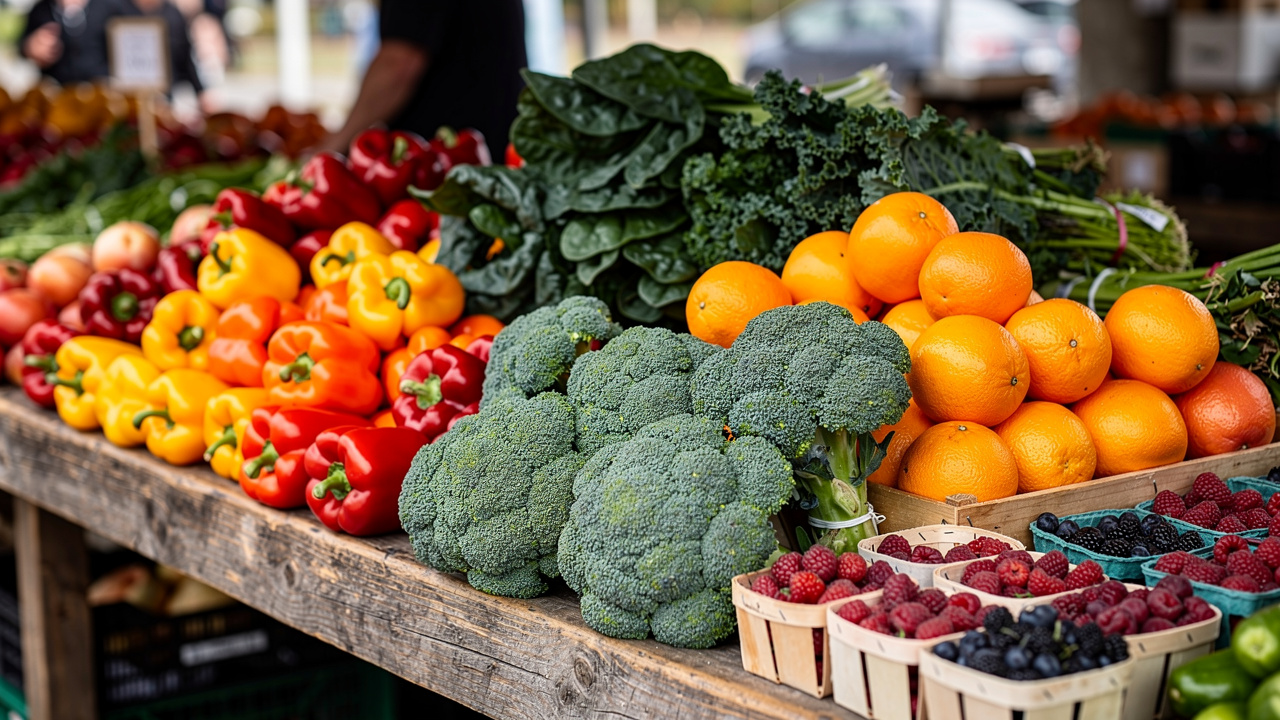
Colorful produce carries antioxidants, vitamins, and plant compounds that help protect cells from damage:
-
Berries (blueberries, blackberries, açaí, goji) – rich in vitamin C and other helpful compounds
-
Citrus fruits (oranges, grapefruit, clementines) – classic sources of vitamin C for white blood cell function
-
Red bell peppers – even higher in vitamin C than many citrus fruits
-
Leafy greens (spinach, kale, collards) – supply vitamin C, beta carotene, and many other nutrients
When appetite is low, blending fruit with a handful of spinach into a smoothie or stirring extra vegetables into soup can raise intake without feeling heavy.
Immune-Supporting Proteins
Protein provides the building blocks for antibodies and new immune cells. Helpful options include:
-
Poultry (chicken, turkey) – provides protein, vitamin B6, and zinc
-
Fatty fish (salmon, tuna, mackerel) – rich in omega‑3 fatty acids that help manage inflammation
-
Plant proteins (beans, lentils, tofu, nuts, seeds) – offer protein, fiber, and minerals
A warm bowl of chicken or bean soup hydrates, nourishes, and can gently support the immune response.
Healing Fats, Fermented Foods, and Powerful Spices
Healthy fats and fermented foods add another layer of support:
-
Olive oil – contains compounds that help the body handle inflammation
-
Nuts and seeds (almonds, walnuts, sunflower seeds) – bring magnesium, selenium, and other minerals
-
Fermented foods (yogurt, kefir, sauerkraut, kimchi) – supply helpful bacteria that support gut health, a major home for immune cells
-
Spices (garlic, ginger, turmeric) – long used in traditional healing and supported by research for their anti‑inflammatory and immune‑supporting properties
Adding these to everyday dishes is a simple way to support how to boost natural immunity without extra pills.
Essential Vitamins and Minerals: Understanding the Science
Knowing why certain foods help can make changes feel more meaningful. Key nutrients for natural immunity include:
-
Vitamin C – antioxidant that supports several white blood cell types; found in citrus, berries, peppers, tomatoes, broccoli
-
Vitamin D – guides immune activity; found in fatty fish, eggs, and fortified milk or plant milks, and produced in skin with sunlight
-
Zinc – needed for normal growth and function of many immune cells; found in beef, poultry, seafood, beans, nuts, and seeds
-
Beta carotene / Vitamin A – supports the lining of the gut and respiratory tract; found in carrots, sweet potatoes, mangoes, and dark leafy greens
-
Omega‑3 fatty acids – from salmon, sardines, and flaxseeds; support healthy cell membranes and help calm ongoing inflammation
-
Vitamin B6 – from poultry, chickpeas, bananas; helps many reactions inside immune cells
-
Selenium, iron, copper, folate – support various steps in immune development and function
When people ask about how to boost natural immunity with supplements, my first answer is that whole foods should come first when possible. Supplements can help if blood tests show a shortage or if appetite is low during treatment, but high doses may cause harm. Always talk with your oncology or primary care team before adding any supplement, because some vitamins and herbs can interfere with chemotherapy, radiation, or targeted therapies.
The Movement-Immunity Connection: Exercise as Medicine

Regular movement supports heart, lungs, mood—and the immune system. Moderate exercise helps blood and lymph fluid carry immune cells throughout the body and can improve weight, blood sugar, and blood pressure, all of which relate to immune function. People who move most days tend to have fewer infections and recover faster.
General advice often suggests about 150 minutes of moderate activity a week, plus some strength work. For someone in active cancer treatment, that may feel far away. In that case, think smaller:
-
A five‑ to ten‑minute walk in a hallway
-
Gentle stretching in bed or in a chair
-
Restful yoga or simple range‑of‑motion exercises
Movement should feel supportive, not draining. Listening to your body and pausing before deep fatigue sets in is an important act of self‑respect.
Managing Stress: Calming Your Mind to Strengthen Your Body

Short bursts of stress can protect us. Long‑lasting, high stress, however, keeps hormones such as cortisol elevated and can weaken immune function, slow wound healing, and increase inflammation. For people living with cancer or caring for a loved one, stress often comes from many directions at once.
The mind and body communicate constantly, so emotional states and physical health influence each other. When the nervous system feels even slightly more settled, the immune system often works with more ease. This is why Calming the Mind of Cancer places meditation and mindful awareness at the center of its approach to how to boost natural immunity.
Meditation and Mindfulness Practices
Meditation does not require special tools or long hours. Simple practices can make a real difference:
-
Om meditation: Sit or lie comfortably and repeat the sound “Om,” softly or silently, to calm the nervous system and shift attention away from fearful thoughts.
-
Mindful breathing: Notice the feeling of air moving in and out of the belly.
-
Awareness of senses: Gently observe sounds, sights, or physical sensations without judging them.
Even five to ten minutes a day can lower stress and improve sleep over time. Guided visualizations that invite images of healing light or safe, peaceful places can also create a state where repair feels more possible. Calming the Mind of Cancer offers teachings and resources so you don’t have to figure these practices out alone.
The goal is not to stop all thoughts; it is to keep returning to the breath or sound with patience.
Additional Stress Management Strategies
Meditation is powerful, but not the only path. Other options include:
-
Journaling to move worries from mind to paper
-
Listening to soothing music while breathing slowly
-
Spending time in nature, even at an open window or near a tree
-
Creative expression such as drawing, knitting, or gentle cooking
-
Counseling, support groups, or therapy when stress feels heavy
Calming the Mind of Cancer often guides people toward supportive communities and skilled professionals, so emotional care becomes part of the same plan as nutrition and sleep.
Lifestyle Foundations: The Daily Practices That Matter
Beyond food, sleep, and stress, everyday habits shape immune health, and healthy habits for enhancing immunity include consistent daily practices that support long-term wellness. Each choice is not a test but a chance to send the body a small message of care. Four areas often have a strong impact.
Don’t Smoke (or Get Support to Quit)
Cigarette smoke contains chemicals that damage lung tissue and disturb immune balance. People who smoke face higher risks of infections, some autoimmune conditions, and certain cancers. The encouraging news is that benefits begin soon after quitting. Phone quit lines, counseling, medications, and community programs can all make this step more manageable.
Moderate Alcohol Consumption
Alcohol—especially in higher amounts—can interfere with how immune cells grow and communicate. Heavy drinking weakens the body’s defense and may interact with cancer medications. When alcohol is used, “moderation” usually means:
-
Up to one standard drink a day for most women
-
Up to two for most men
Many people in cancer treatment choose to avoid alcohol completely. Always ask your medical team what is safest for you.
Maintain a Healthy Weight
Extra body weight can strain many organs and is often linked with low‑grade inflammation that keeps the immune system working harder than it should. At the same time, unplanned weight loss during cancer can lead to weakness and nutrient loss. Rather than focusing on appearance, consider function:
-
Can you climb the stairs you need to?
-
Carry groceries?
-
Feel reasonably steady during the day?
Gentle movement and balanced meals can help move weight toward a safer range. In cancer care, dietitians are valuable allies when weight is either higher or lower than is comfortable or safe.
Practice Good Hygiene
Simple hygiene habits lower the number of germs your immune system has to manage:
-
Wash hands often with soap and water, especially before eating and after using the bathroom or being in public spaces.
-
Keep cutting boards, knives, and counters clean.
-
Rinse fruits and vegetables and cook meats thoroughly.
-
During cold and flu season, use hand sanitizer when sinks aren’t available and avoid close contact with people who are clearly sick.
These small habits can make how to boost natural immunity feel much more practical.
Vaccination: Priming Your Natural Defenses
Vaccines introduce the immune system to a harmless form or piece of a germ so it can practice responding without the full illness. This training helps immune cells recognize that germ later and react more quickly and effectively. For infections such as influenza, pneumonia, COVID‑19, and shingles, vaccination has greatly reduced serious illness and death, especially among older adults and people with medical conditions.
For someone living with cancer, vaccine decisions can feel confusing. Some treatments weaken immune responses, which may reduce how strongly the body reacts to a vaccine, but a partial response is often better than none. Timing also matters: certain vaccines should not be given during specific phases of chemotherapy or after some transplants. Always discuss recommended vaccines and timing with your oncology team.
Public health experts often say that “vaccines let your immune system see the test before the exam,” which is why they are such a powerful partner for natural immunity.
Vaccination also protects vulnerable people around you by lowering how easily germs spread in the community.
Immunity Through The Ages: Understanding Life Stage Changes
As we age, the immune system naturally changes. The thymus gland, where many T cells mature, becomes smaller, and bone marrow may produce fewer new immune cells. This gradual shift, known as immunosenescence, helps explain why older adults face higher rates of infections and some cancers, especially respiratory illnesses like flu, COVID‑19, and pneumonia.
Older adults often respond less strongly to some vaccines, yet studies show that vaccinated elders still have much lower rates of hospitalization and death than those who skip shots. Nutrition also matters: appetite and food variety often decline with age, raising the risk of small but important nutrient gaps.
For older adults, focusing on nutrient‑dense foods—such as eggs, yogurt, beans, soft cooked vegetables, and fortified cereals—can support natural immunity. In some cases, a simple multivitamin or targeted supplement may help, but that decision is best made with a doctor or dietitian who knows the full medical picture. Age may change the strategy, but it does not remove the possibility of better immune health.
Common Myths and Evidence-Based Truth
Advice about immunity is everywhere, and some of it sounds convincing while not matching research. Sorting myths from evidence makes it easier to choose steps that truly help.
Myth: Vitamin C Prevents Illness
Vitamin C is important for immune function, but taking very large amounts does not guarantee you’ll avoid colds or other infections. Some studies show that regular vitamin C intake may slightly shorten cold length if started before symptoms, yet it does not reliably stop infections from starting.
Steady intake from food—citrus, berries, peppers, broccoli—fits better into a broad plan for how to boost natural immunity than swallowing huge doses after getting sick.
Myth: Dairy Increases Mucus When You’re Sick
Many people have heard that milk and other dairy products make mucus thicker. Research so far has not clearly supported this for most people. Dairy foods such as yogurt, kefir, and cheese can provide protein, calcium, and sometimes helpful bacteria that support the gut.
If you notice that dairy personally seems to worsen your symptoms, you can limit it. Otherwise, there is no strong reason to avoid it based on this myth alone.
Myth: Being Cold Weakens Your Immune System
Going outside on a chilly day does not directly weaken the immune system. Winter brings more respiratory illnesses mostly because people spend more time indoors, close to others who may carry viruses, and because some viruses survive longer in cold, dry air.
Staying warm and comfortable is wise for general health, but the bigger issue is exposure to germs, not air temperature. Good ventilation and a bit of humidity in indoor air can help reduce virus spread.
The Reality About Herbal Supplements and “Immune Boosters”
Store shelves are packed with pills, powders, and drinks that claim to support or “boost” immunity. While certain herbs and plant compounds can change lab markers of immune activity, strong proof that they prevent infections or improve cancer outcomes in real life is often limited.
Because the immune system is highly complex, it is hard to show that one product improves all of it in a helpful way. For most people, the safest and most reliable path still lies in:
-
Nutritious food
-
Restorative sleep
-
Stress care
-
Gentle movement
-
Appropriate medical care and vaccines
If you’re considering supplements, involve your healthcare provider—especially during cancer treatment.
Your Holistic Immunity Action Plan: Bringing It All Together
After hearing about food, sleep, stress, vaccines, and lifestyle, it’s easy to feel overwhelmed. Health is a process, not a competition, and no one can change everything at once. The most helpful plan for how to boost natural immunity is one that fits daily life, respects your current energy, and grows slowly over time.
Calming the Mind of Cancer was built to guide this sort of steady, kind approach that joins spiritual practice with clear nutrition science.
Your Foundation: The Non-Negotiables
Some habits tend to give the biggest return for effort:
-
Sleep: Keep a fairly steady bedtime and build a calming wind‑down routine.
-
Stress care: Practice five to ten minutes of breath focus, Om meditation, or gentle mindfulness most days.
-
Food: Center meals around vegetables, fruits, whole grains, and quality proteins whenever possible.
-
Protection: Follow basic hygiene and talk with your medical team about recommended vaccinations.
These steps create the ground where more specific choices can work better.
Your Personalized Path
No two people share the same medical history, energy level, or schedule. Look honestly at your situation and choose one to three changes that feel realistic right now. For example:
-
Adding a short afternoon walk twice a week
-
Trying a guided Om meditation from Calming the Mind of Cancer
-
Planning one extra vegetable‑rich meal each day
Discuss your ideas with your oncology or primary care team so they fit safely with current treatments. Over time, you can adjust or add habits rather than forcing strict plans that don’t last.
Measuring Success Beyond Numbers
There is no single blood test that perfectly scores natural immunity. Instead, progress shows up in everyday life:
-
More steady energy
-
Deeper, more refreshing sleep
-
Fewer or milder colds
-
A calmer response to stress or medical news
Notice and celebrate these shifts, even when they seem small. Trust grows as you see how your body responds to kinder food, calmer thoughts, and caring routines.
Conclusion
Turning attention toward immune health while living with cancer—or caring for someone who is—takes real courage. It means facing fear and still choosing to focus on what can be supported, even when much feels out of your hands.
Throughout this article, we’ve explored how to boost natural immunity not through harsh rules, but through respect for the body’s need for rest, nourishment, movement, and calm. Simple actions—an extra hour of sleep, a bowl of vegetable‑rich soup, a ten‑minute walk, a brief Om meditation—send powerful messages of care.
These steps do not replace medical treatment, yet they partner with it, helping the body stay as strong and steady as possible. The link between a calmer mind and a steadier immune system is not only spiritual; it appears in hormones, immune cells, and real‑world outcomes.
Calming the Mind of Cancer walks beside people on this path, weaving ancient spiritual practices with modern nutritional guidance in a gentle, grounded way. If this approach resonates, you’re invited to explore the meditations, nutrition insights, and community support the platform offers. With patience and kindness toward yourself, your body can respond to these supports in its own wise way—one day and one small step at a time.
FAQs
Can I Really Boost My Immune System Naturally, or Is That Just Marketing?
You can’t turn your immune system up like a volume knob, but you can support it so it works at its natural best. Habits such as good sleep, balanced nutrition, movement, stress care, and recommended vaccines all have solid research behind them. Many products promise quick fixes, yet often focus on narrow lab markers. A broad, daily approach offers a more reliable path for how to boost natural immunity than any single pill or drink.
How Long Does It Take to See Improvements in My Immune Function?
Changes usually happen gradually. Some benefits—like better sleep or a calmer mood from regular meditation—may appear within days or weeks. Deeper shifts in inflammation, nutrient levels, and infection patterns often take weeks to months of steady habits. Many people notice that colds feel less severe or recovery from minor illnesses is faster. Consistency matters more than intensity.
Are Supplements Necessary, or Can I Get Everything From Food?
Many people can meet their needs with a varied diet that includes vegetables, fruits, whole grains, and proteins. Supplements may help when:
-
Blood tests show a deficiency (for example, low vitamin D)
-
Appetite is poor
-
Certain foods are limited (such as vitamin B12 in vegan diets)
Older adults and people with absorption problems may especially benefit from medical guidance about supplements. During cancer treatment, some products can interfere with drugs or radiation, so always decide on supplements together with your oncology or primary care team.
I’m Currently in Cancer Treatment. Are These Strategies Safe for Me?
Most strategies here—good sleep habits, gentle movement matched to your energy, stress management like Om meditation, and careful hygiene—are not only safe but often encouraged during cancer treatment. The main caution is with supplements and drastic diet changes, which can affect treatments. Before starting new herbs, high‑dose vitamins, or major diet shifts, speak with your oncology team. Calming the Mind of Cancer designs its guidance for people with cancer, but your own medical team knows your exact plan.
What If I Can’t Follow All These Recommendations?
No one follows every suggestion all the time, and that is not the goal. Every positive step, even a small one, brings some benefit. If energy is low or life feels chaotic, choose one simple practice, such as:
-
Drinking more water
-
Walking for five minutes
-
Listening to a guided meditation before bed
As your situation changes, you can adjust or add habits at your own pace. Health is about gentle progress, not perfect performance.
Does Stress Really Affect My Physical Immune System, or Is That Just Psychological?
Stress affects both mind and body in very real ways. When stress stays high for long periods, the body releases hormones like cortisol that can suppress parts of the immune response and raise inflammation. Research shows that people under chronic stress often heal more slowly and may catch more infections.
For anyone touched by cancer, this makes stress care an important part of natural immunity, not just a comfort measure. Even small practices—deep breathing, short walks, daily mindfulness—can shift the nervous and immune systems in measurable ways and are worth including in any plan for how to boost natural immunity.