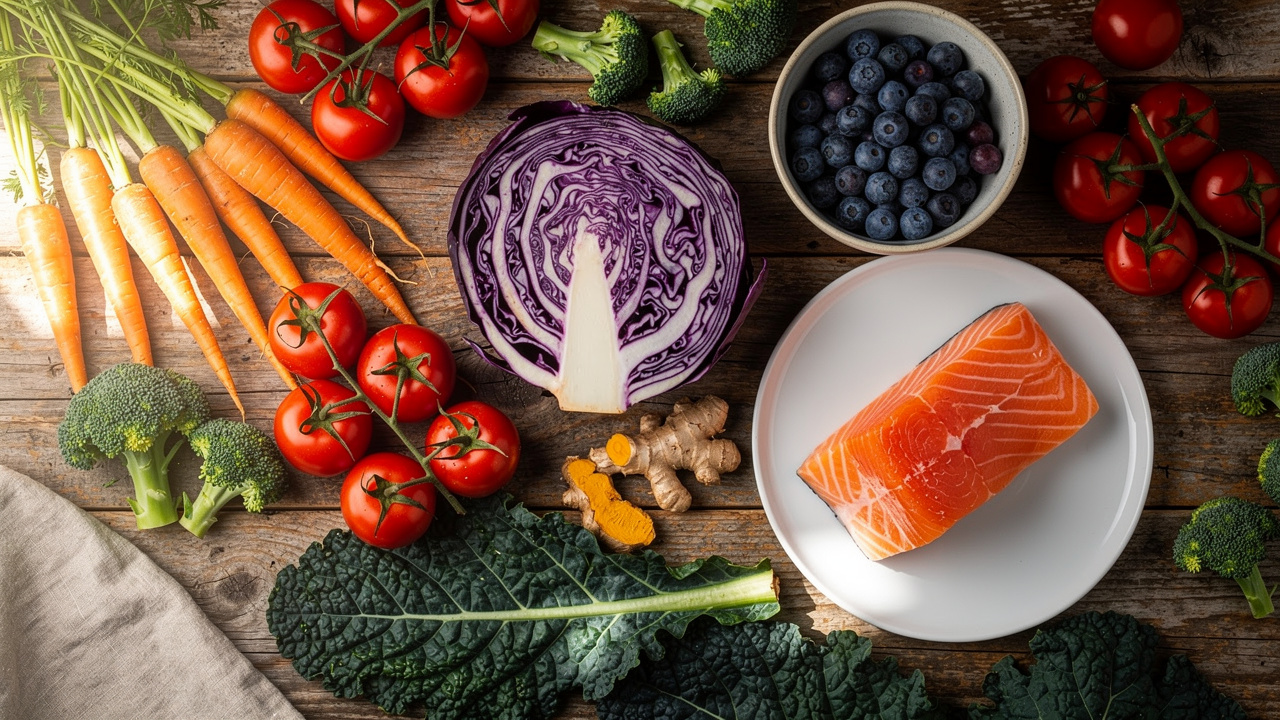
Foods That Fight Cancer Cells
Introduction
A cancer diagnosis often feels like the ground has shifted. Many people start searching for foods that fight cancer cells as a way to regain some sense of control. Food becomes more than fuel; each meal can feel like a small choice to support the body and quiet the mind.
As a team at Calming the Mind of Cancer, we meet many people who hope one special food will erase cancer. We wish it were that simple. No food can cure cancer or replace medical treatment. Yet a steady pattern of eating that centers on cancer-protective foods can help the body defend itself, support treatment, and lower the chance of future disease.
What we eat shapes more than blood tests. Gentle, regular meals can ease digestion, keep energy steadier, and soften anxiety. When we bring attention to both plate and breath, body and mind begin to work together. Our work at Calming the Mind of Cancer blends modern research on foods that fight cancer cells with meditation and spiritual practice, so support reaches both physical and emotional needs.
In this guide, we walk through the science in clear language and share practical ideas. You will see which plant foods, healthy fats, and fermented foods appear often in research on foods that fight cancer cells, which items raise risk, and how to make kind, realistic changes alongside medical care.
Key Takeaways
Nutrition advice can feel overwhelming during cancer treatment or recovery. These short points offer a gentle overview:
-
Patterns matter more than any single bite. Focus on what you eat most of the time, not on one “miracle” food or supplement. Building most meals around cancer-protective plant foods turns each plate into one small step instead of a test of perfection.
-
Plant-rich meals support many parts of health. Vegetables, fruits, whole grains, and legumes provide phytochemicals, fiber, and healthy fats. When about two thirds of the plate holds these foods and weight stays in a stable, healthy range, research links this pattern with lower risk for several cancers and better energy, digestion, and mood.
-
Some foods help, others are better kept occasional. Foods that fight cancer cells include cruciferous vegetables, berries and colorful fruits, legumes, nuts, seeds, fatty fish, and fermented foods. Processed meats, frequent large portions of red meat, alcohol, and sugary drinks fit better in the “less often” group. Consistent, kind choices over months and years create a strong base for health.
Understanding the Connection Between Diet and Cancer Risk
Cancer grows out of many pieces that fit together: genes, age, environment, movement, stress, and diet all play a part. We cannot change some parts, but we often can change how we eat and move. That is where foods that fight cancer cells become a real, day‑to‑day tool.
Large research groups now agree that patterns of eating have a clear link to cancer risk, as demonstrated by the impact of ketogenic diets on patient outcomes in recent systematic reviews. The Standard American Diet, with heavy use of processed meat, refined grains, sugary drinks, and few vegetables, tends to raise risk. In contrast, plates filled with vegetables, fruits, whole grains, and beans help support a healthy weight, steadier blood sugar, and calmer inflammation in the body.
“About 30–50% of cancers could be prevented by adopting a healthy lifestyle, including a healthy diet.” — World Health Organization
There is also an emotional side. Choosing a colorful salad, a bowl of berries, or a warm lentil stew can feel like an act of care. During treatment or recovery, when so much feels outside personal control, this kind of choice can bring a quiet sense of strength. It says, in a simple way, “I am helping my body today.”
At Calming the Mind of Cancer, we link this kind of eating with calming practices. A short meditation before a meal, three deep breaths while stirring a pot of soup, or a moment of gratitude for foods that fight cancer cells can soften fear and stress. When the nervous system settles, digestion and immune function often work more smoothly, so the body can better use the nutrients it receives.
The Science of Phytochemicals and Protective Plant Compounds
Plant foods hold thousands of natural substances known as phytochemicals or phytonutrients. Scientists have found thousands of these compounds, and new ones still appear in research. Each has its own role, which is why variety on the plate matters so much.
Many phytochemicals act as antioxidants, helping to neutralize free radicals—unstable molecules that can damage cells and DNA. Others influence hormone balance, especially estrogen, which can affect breast and other hormone‑related cancers. Certain compounds may even slow the growth of abnormal cells or make it harder for them to spread.
Common examples linked with foods that fight cancer cells include:
-
Berries: anthocyanins, ellagic acid, resveratrol
-
Cruciferous vegetables: indole‑3‑carbinol and related sulfur compounds
-
Leafy greens and orange vegetables: carotenoids
-
Garlic and onions: allicin and related sulfur compounds
-
Legumes, tea, and dark chocolate: flavonoids
These names may sound technical, yet they enter the body in a simple way whenever we eat a varied, plant‑rich plate.
Fiber from plants adds another layer of protection. It helps control blood sugar, feeds helpful gut bacteria, supports weight management, and lowers the chance of colorectal cancer by speeding waste through the intestines. All of these actions work together, so a whole meal built from several foods that fight cancer cells carries more power than any single nutrient in pill form.
“It’s not about one food or nutrient; it’s the overall pattern of your diet that matters most.” — American Institute for Cancer Research
The Most Powerful Cancer-Fighting Foods to Include in Your Diet
When we talk about foods that fight cancer cells, it helps to picture a colorful, satisfying plate rather than a strict or boring one. The goal is not to remove every favorite food overnight. The aim is to add more plants, more fiber, and more healthy fats so protective ingredients show up at breakfast, lunch, and dinner.
Personal taste, culture, and energy level all matter. A person who loves spicy food may choose kimchi and beans, while someone else feels better with plain yogurt and berries. Over time, as more foods that fight cancer cells appear on the table, patterns shift in a way that feels steady instead of harsh.
Cruciferous Vegetables: Your Most Powerful Allies
Cruciferous vegetables sit near the top of the list when we look at foods that fight cancer cells. This group includes broccoli, cauliflower, Brussels sprouts, cabbage, kale, and bok choy. They offer vitamins, minerals, fiber, and special compounds such as indole‑3‑carbinol and sulforaphane that show strong anti‑cancer activity in lab studies.
Frequent servings of these vegetables are linked with lower risk for several cancers, including breast and colorectal cancers. They help the body process and clear certain toxins and may support steadier hormone balance. Even a small serving most days can add up over time.
Preparation makes a big difference in taste:
-
Roast broccoli or Brussels sprouts with a little olive oil until the edges brown for gentle sweetness.
-
Massage raw kale with lemon juice and oil to soften the leaves for salads.
-
Quickly sauté cabbage or bok choy with garlic and a squeeze of lemon to add both flavor and protective compounds to simple meals.
Berries and Colorful Fruits: Nature’s Antioxidant Powerhouses
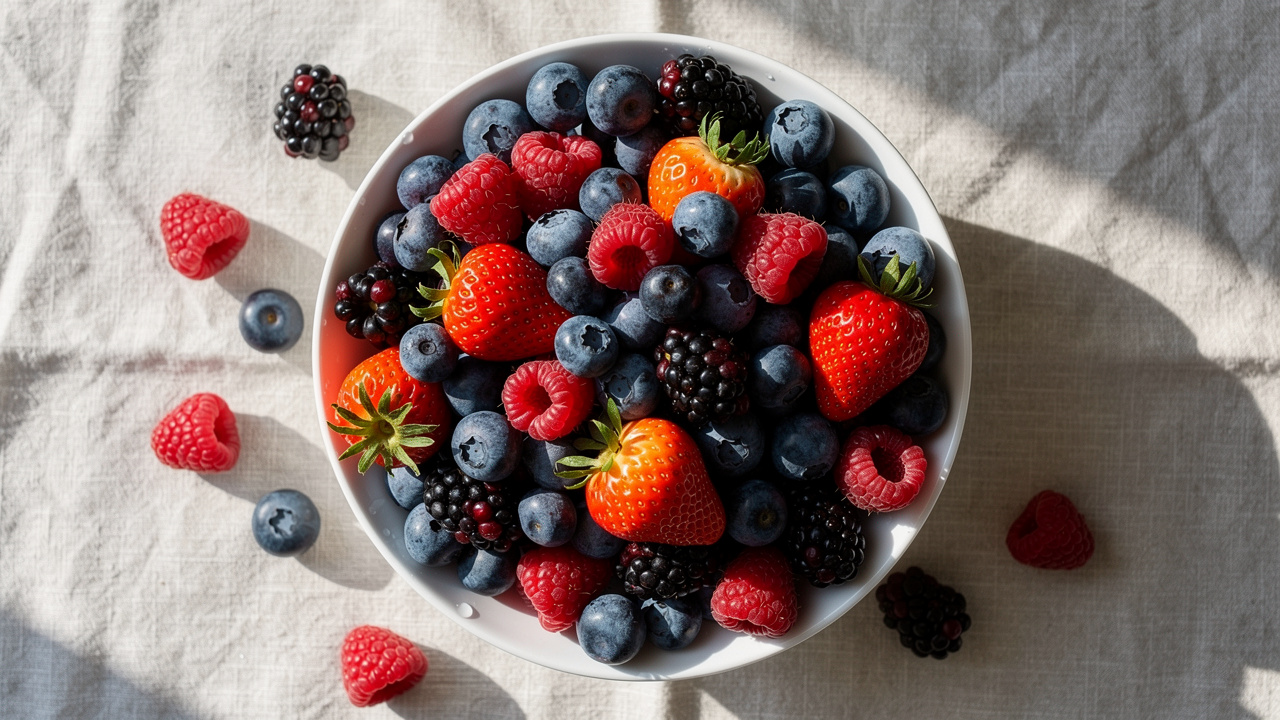
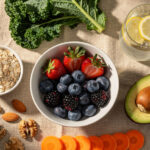
Berries are another bright star among foods that fight cancer cells. Blueberries, strawberries, raspberries, and cranberries hold deep red, blue, and purple pigments. Those colors signal anthocyanins, ellagic acid, and resveratrol, which help guard cells from damage, especially in the digestive tract.
Other colorful fruits add their own support, and research on dairy products consumption linked to decreased endometrial cancer risk shows that protective foods extend beyond just produce:
-
Tomatoes supply lycopene, tied to lower risk for prostate and some other cancers.
-
Citrus fruits such as oranges and grapefruit provide vitamin C and additional phytochemicals.
-
Grapes and cherries bring more antioxidants and fiber.
Fresh and frozen fruit both work well, as long as there is no heavy syrup. Berries stir easily into yogurt or oatmeal. Orange slices, grapes, and apple wedges make quick snacks that feel light on the stomach. Aiming for two or three servings of whole fruit each day, spread across meals, fits into most schedules.
Legumes, Nuts, and Seeds: Plant-Based Protein Champions
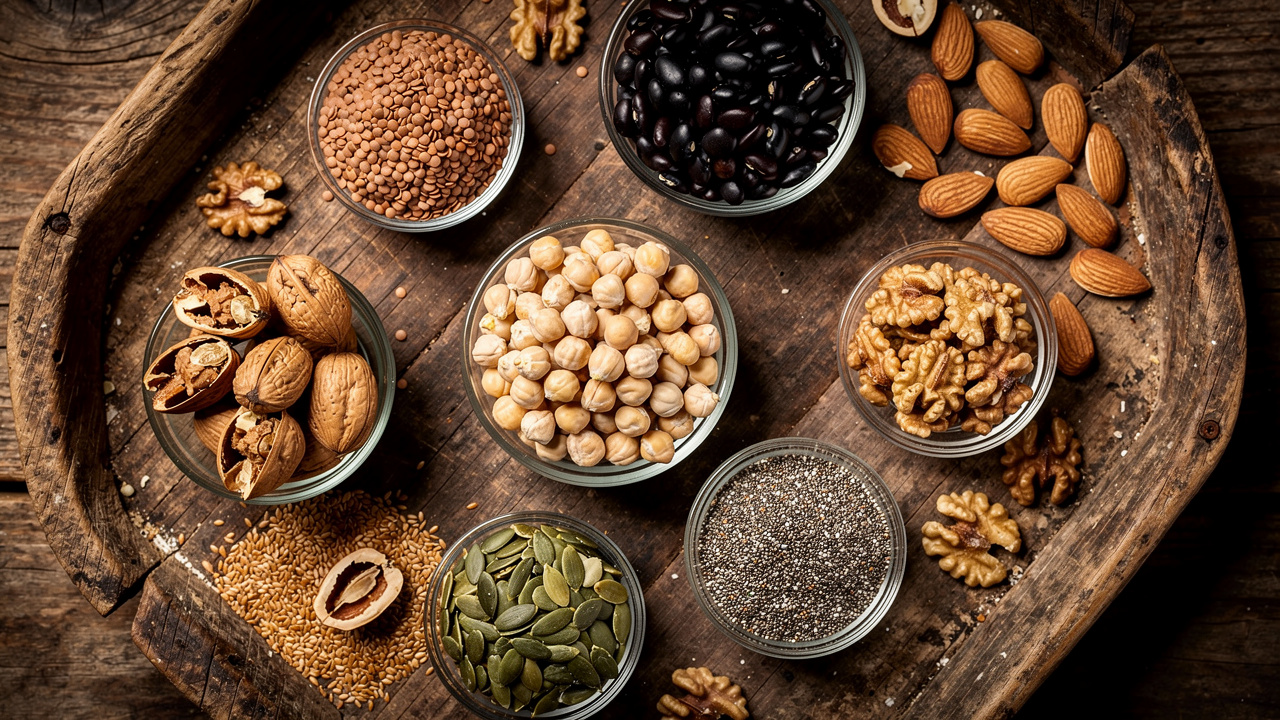
Legumes give the body a strong mix of protein, fiber, and protective compounds, which makes them steady foods that fight cancer cells. This family includes black beans, kidney beans, pinto beans, lentils, chickpeas, edamame, tofu, and tempeh. The outer coating of beans holds flavonoids that act as antioxidants and may reduce cell damage.
Nuts and seeds add healthy fats that support heart and brain health while fitting into a cancer‑protective plan. Walnuts often stand out in research for their plant omega‑3 fats and other helpful compounds. Flaxseed, especially when ground, supplies fiber and lignans, which may support hormone balance.
These foods also bring comfort on hard days:
-
A bowl of lentil soup, chickpea salad, or black bean tacos feels warm and filling.
-
A small handful of mixed nuts can calm hunger between appointments.
-
A spoonful of ground flaxseed on cereal or in a smoothie adds one more food that fights cancer cells without changing taste much.
Fatty Fish and Omega-3 Rich Foods: Fighting Inflammation
Fatty fish join the group of foods that fight cancer cells because of their omega‑3 fats. Salmon, tuna, sardines, anchovies, and mackerel can help reduce long‑term inflammation, which plays a role in several cancers. Some studies link regular fish intake with lower risk for breast and colorectal cancers.
Gentle cooking methods help keep these benefits. Baking, broiling, or steaming fish with herbs and lemon keeps added fat low and avoids charring. Even one or two fish meals each week can support a pattern built around foods that fight cancer cells.
For those who prefer plant‑based eating, chia seeds, flaxseed, and walnuts supply a plant form of omega‑3 called ALA. The body uses this form a bit differently, but it still supports heart health and may help calm inflammation.
Fermented Foods and Probiotics: Supporting Your Gut Health
Fermented foods such as yogurt, kefir, kombucha, kimchi, sauerkraut, tempeh, and miso contain live helpful bacteria, or probiotics. A healthy gut community supports the immune system, helps digest food, and may bind and remove some substances that could damage cells. In this way, these items join the wider group of foods that fight cancer cells.
Research points to a link between probiotic‑rich foods and lower risk of colorectal cancer. Friendly bacteria help keep the lining of the gut in better shape and may reduce harmful by‑products in the intestines. They also assist with nutrient absorption, which matters when appetite is low.
Plain yogurt with live cultures makes a gentle base for breakfast bowls with berries and nuts. A spoonful of kimchi or sauerkraut beside rice and beans brings both flavor and extra support. Sipping a small glass of kefir can feel easier than a large snack on days when energy runs low yet the body still needs foods that fight cancer cells.
Foods to Limit or Avoid for Optimal Cancer Protection
Just as some foods support health, others tend to raise cancer risk when they appear often in daily meals. The aim here is not shame or strict rules. It is to shine a kind light on patterns that may not serve the body and then offer options that make change feel possible.
A single hot dog at a summer gathering or a glass of wine at a celebration does not define health. What matters most is what happens on most days, and how often foods that fight cancer cells fill the plate instead.
Processed and Red Meats
Processed meats include hot dogs, bacon, sausage, salami, and many deli slices. These meats often contain compounds that form during curing and smoking and can damage cells in the digestive tract. Large research groups now list processed meat as a cause of colorectal cancer, no matter how it appears on the label.
Packages that say “nitrate free” or “uncured” may sound safer, yet they can still create similar compounds once cooked or digested. Red meats like beef, pork, and lamb also show a link with higher cancer risk, especially when people eat them in large portions several times each week. High‑heat cooking methods that char meat can add more harmful substances.
We often guide people to slowly replace some of these foods with lean poultry, fish, or plant‑based protein. A bean chili in place of a sausage stew, or a grilled salmon fillet instead of a steak, still brings flavor and comfort. These swaps create more room for foods that fight cancer cells and less room for meats that work against long‑term health.
Alcohol and Sugar-Sweetened Beverages
Alcohol has a clear link with several cancers, including breast, mouth, throat, and liver. For prevention, the safest choice is not to drink at all. If someone chooses to drink, smaller amounts and fewer days help reduce risk. It also helps to notice when alcohol serves as a stress tool and to seek calmer options like breath work, gentle movement, or a short meditation instead.
Sugar‑sweetened drinks such as soda, sports drinks, sweetened coffee drinks, and fruit punch add many calories with little nutrition. A daily can of soda can add tens of thousands of extra calories over a year, raising the chance of weight gain. Higher body weight connects with several cancers, so shifting these habits can have a big impact.
Water remains the best base drink. Many people enjoy water with slices of lemon, lime, berries, or cucumber for a little color and taste. Unsweetened herbal tea, hot or cold, can feel soothing. Sparkling water with a small splash of 100% fruit juice offers fizz without a heavy sugar load and leaves more room in the day for foods that fight cancer cells.
Building Your Cancer-Protective Plate: Practical Strategies
Knowing which foods help or harm is only part of the story. Daily life brings fatigue, appointments, money concerns, and family needs, all of which affect what lands on the plate. We keep our advice simple so that foods that fight cancer cells fit into real schedules, not just perfect days.
A helpful place to start is with the “two‑thirds rule.” When at least two thirds of the plate holds vegetables, fruits, whole grains, and legumes, the remaining space for animal protein or richer foods stays smaller without strict counting. This visual tool turns every meal into a quiet chance to practice care.
Simple Meal Planning and Plate Composition
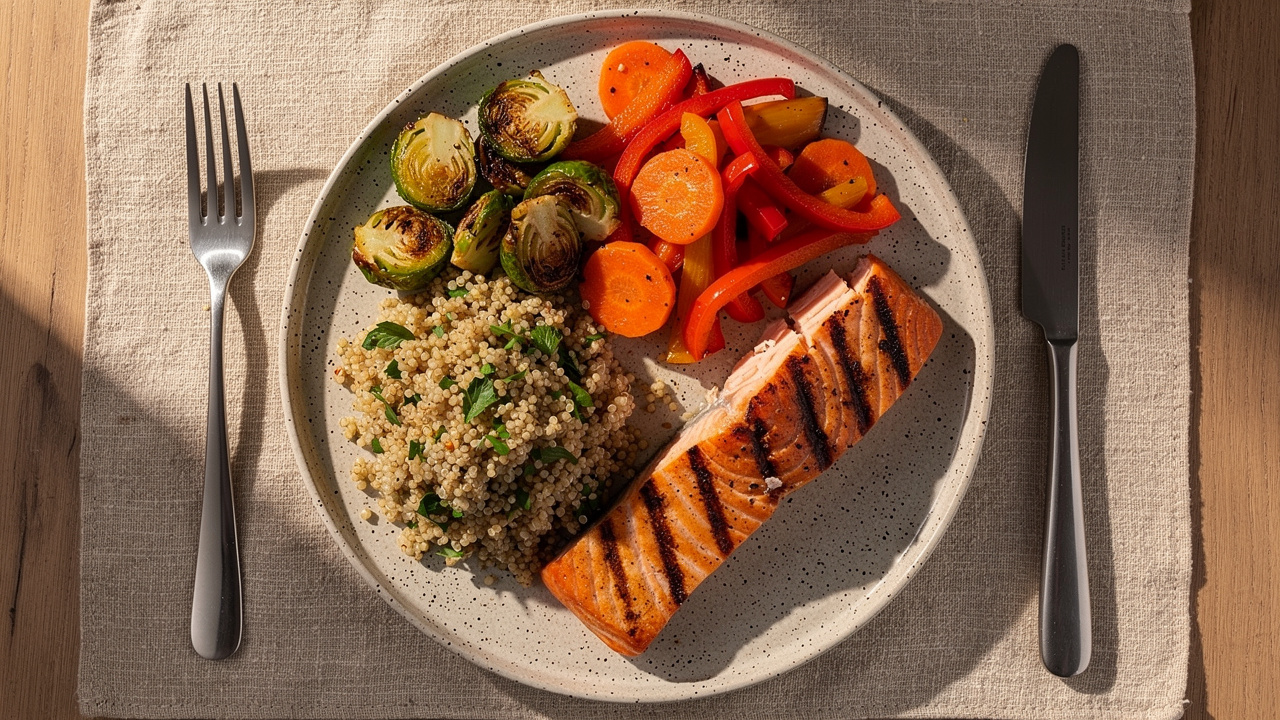
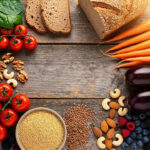
Think of each plate as a picture: most of the space holds plants, with a smaller area for protein from fish, poultry, eggs, or plant sources. Over time, this pattern weaves many foods that fight cancer cells into the week without complex recipes or charts.
A simple day might look like this:
-
Breakfast: Plain yogurt with berries, a spoon of ground flaxseed, and a small handful of walnuts for crunch and healthy fat.
-
Lunch: A large kale or mixed‑green salad topped with chickpeas, chopped tomatoes, avocado, and a drizzle of olive oil and lemon.
-
Dinner: Baked salmon over a bed of quinoa with roasted Brussels sprouts and garlic on the side, plus a few orange slices for a sweet bite.
Snacks fill the gaps with ease. Apple slices with almond butter, carrot sticks with hummus, or a small bowl of grapes all count as foods that fight cancer cells. Many people find it helpful to cook a pot of brown rice or beans once and use them in several meals to save time and energy.
Smart Shopping and Food Preparation Tips
The path to a cancer‑protective plate often begins at the store. Simple choices there can make it much easier to reach for foods that fight cancer cells at home, even when energy runs low.
-
Choose simpler foods. Pick items close to their natural form, such as whole fruits instead of sweet snacks and rolled oats instead of sugary cereal. Frozen vegetables and fruits without sauces or sugar can stand in for fresh ones and often cost less.
-
Stock basic pantry staples. Dried or canned beans, lentils, brown rice, quinoa, whole‑grain pasta, nuts, and seeds store well and form the base of many easy meals built around foods that fight cancer cells.
-
Use easy cooking tricks. Toast nuts in a dry pan to deepen flavor so a small amount satisfies. Roast vegetables with a bit of olive oil to draw out natural sweetness, which may help people who dislike them raw.
-
Handle garlic and greens with care. Crushing or chopping garlic and letting it rest briefly before cooking allows more allicin to form, one of the helpful compounds tied to cancer protection. Rubbing kale leaves with a little oil or dressing softens them, making this tough green more pleasant to chew and easier to include often.
Integrating Nutrition with Holistic Cancer Care at Calming the Mind of Cancer
At Calming the Mind of Cancer, we see food as one strand in a wider web of care. Our work brings together modern research on foods that fight cancer cells with spiritual practices such as meditation, breath work, and gentle reflection. This combination speaks to both the body that receives treatment and the mind that holds fear, hope, and fatigue.
Our Nutrition and Cancer Support Programs offer clear, evidence‑based guidance on what and how to eat during and after treatment. We focus on antioxidant‑rich foods, fiber, healthy fats, and practical ways to add more foods that fight cancer cells without strict rules. Lessons break down complex science into friendly language, so people feel less lost when they read conflicting advice online.
We also address the real barriers many people face. Treatment side effects, low appetite, sleep problems, and emotion‑driven eating can all get in the way of good intentions. By pairing nutrition education with guided meditations and mindfulness tools, we help people steady their nervous system, which can make it easier to choose gentle foods and to digest them.
“You can’t stop the waves, but you can learn to surf.” — Jon Kabat‑Zinn
This spirit guides our work: medical care stays at the center, and our guidance stands beside it as added support. We encourage close communication with oncology teams while we offer this nutritional and spiritual care.
Conclusion
Food cannot erase cancer, yet each plate can still offer a quiet form of care. When most meals center on vegetables, fruits, whole grains, legumes, nuts, seeds, fermented foods, and healthy fats, the body receives many foods that fight cancer cells along with steady energy and fiber. Over time, this pattern supports the immune system, weight balance, and digestive health.
Change does not need to be harsh. Even one extra serving of vegetables at dinner or a move from soda to herbal tea counts as a real win. There will always be days when appetite or mood makes ideal eating feel out of reach. On those days, compassion matters as much as nutrition.
As we add more foods that fight cancer cells, we also have a chance to calm the mind. A slow breath before each meal, a moment of thanks for the farmers and hands that grew the food, or a brief meditation can shift stress enough for the body to use what it receives. Calming the Mind of Cancer stands ready as a steady partner in this process, offering both nutritional guidance and spiritual support. We invite readers to explore our resources, take what feels helpful, and move forward one gentle meal at a time.
FAQs
Many people share the same questions about foods that fight cancer cells. Clear answers can ease worry and help each person make choices that fit both medical advice and personal life.
Question 1: Can specific foods actually cure cancer?
No single food can cure cancer. Medical treatment from an oncology team remains the center of care, and foods that fight cancer cells serve as support, not a replacement. A pattern of plant‑rich meals can lower risk, help the body handle treatment, and support recovery. For the safest plan, it is wise to discuss nutrition with both the doctor and a registered dietitian who understands cancer care, particularly for those with specific diagnoses as outlined in diets for MGUS, smoldering myeloma, and multiple myeloma guidance from cancer centers.
Question 2: How quickly will I see benefits from eating cancer-fighting foods?
Changes from foods that fight cancer cells build over time rather than overnight. Some people notice better energy, steadier digestion, or less bloating within days or weeks. The effect on cancer risk or long‑term health comes from months and years of consistent patterns. Small daily choices matter more than short strict plans, so patience and self‑kindness are very helpful.
Question 3: Are organic foods necessary for cancer prevention?
Many people worry about pesticides, yet the most important step is to eat plenty of fruits, vegetables, and other foods that fight cancer cells, whether organic or not. Washing produce under running water can lower residue on the surface. If budget allows, some people choose organic versions of items that tend to hold more residue, yet cost should not block access to healthy food. The benefits of eating a variety of plant foods far outweigh the possible risk from small amounts of pesticide.
Question 4: What if I am undergoing treatment and have difficulty eating or keeping food down?
Treatment side effects can make food lose its appeal or cause nausea and vomiting. During these times, the main goal is to get enough calories and fluid in forms the body can handle, rather than to meet every ideal list of foods that fight cancer cells. Small, frequent meals; soft‑cooked vegetables; smoothies; and blended soups may go down more easily. An oncology dietitian can offer specific tips based on the type of treatment. At Calming the Mind of Cancer, we also share gentle practices to ease anxiety around meals and to support eating as much as feels possible.
Question 5: Should I take supplements instead of getting nutrients from food?
Whole foods bring vitamins, minerals, fiber, and phytochemicals together in ways that seem to work better than isolated pills. Some supplements can even interfere with chemotherapy, radiation, or other drugs. For this reason, it is vital to speak with the oncology team before starting any supplement that claims to act like one of the foods that fight cancer cells. In some cases, such as a known vitamin deficiency, a supplement may help, yet a “food first” approach guided by medical advice usually serves the body best.