Introduction
When cancer touches a life, even simple choices like what to eat can start to feel heavy. So many headlines talk about a plant-based diet and cancer that it can be hard to know what is real and what is just noise. Food, which once felt ordinary, suddenly turns into a long list of questions and worries.
Underneath all that confusion is a quiet wish for something that brings a bit more steadiness. Many people want to know whether shifting toward more plant foods can help their bodies, support treatment, and maybe even calm their minds. Large research reviews from groups such as the American Institute for Cancer Research suggest that eating more plants is linked with lower risk for several cancers, and longitudinal associations between vegetarian dietary patterns and cancer outcomes continue to strengthen this connection, which offers a grounded place to start.
When we talk about a plant-based diet and cancer, we are not talking about strict rules or giving everything up overnight. We are talking about filling more of the plate with fruits, vegetables, beans, whole grains, nuts, and seeds, while still working side by side with medical care. Small steps can ease inflammation, support the immune system, and steady energy without adding more stress.
At Calming the Mind of Cancer, we bring together modern nutrition science and ancient practices like meditation and breathwork so that food and mindset can support one another. In this article, we walk through what a plant-based diet really means, how it may help the body defend itself, which nutrients matter most, and simple ways to start. By the end, the hope is that plant-based eating will feel less scary and more like one gentle tool in a larger path of healing.
Key Takeaways
-
A plant-based diet and cancer care can work together in a supportive way, adding more fruits, vegetables, whole grains, beans, nuts, and seeds without demanding perfection. This shift feeds the body with protective plant compounds and can bring a sense of calm because some choices feel clearer.
-
Plant foods are rich in fiber, antioxidants, and phytochemicals that support the immune system and lower inflammation. These nutrients help protect cells from damage that can lead to cancer over time and support steadier energy instead of heavy, sluggish feelings after meals.
-
Thoughtful planning matters when eating mostly plants during or after cancer treatment. Protein, iron, calcium, zinc, omega‑3 fats, and vitamin B12 need special attention. With the right mix of foods and a simple supplement plan, plant-based eating can meet these needs.
-
Every person’s body, treatment plan, and emotional state is different, so there is no single “perfect” way to eat. Working with an oncology dietitian and using calm, evidence-based guidance from Calming the Mind of Cancer can help turn plant-based eating into a safe, realistic support.
What Is a Plant-Based Diet? Understanding the Spectrum
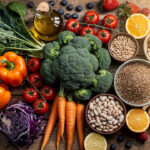
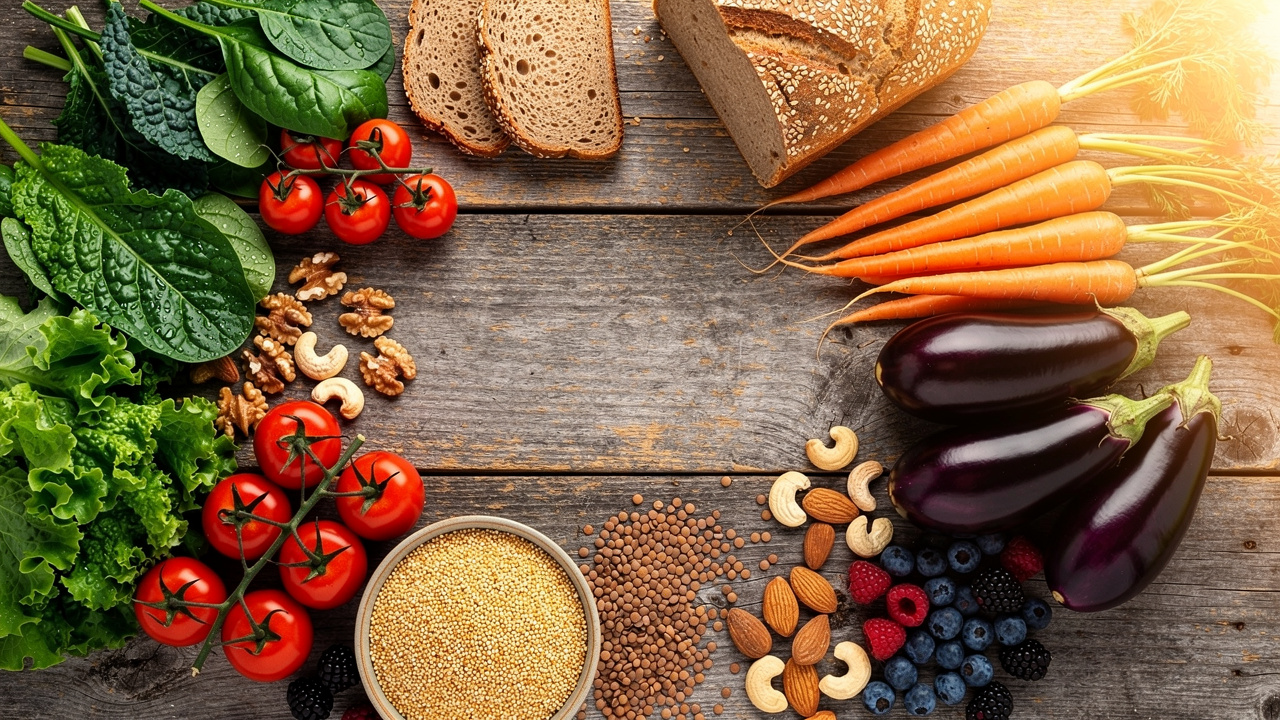
When people hear plant-based, many picture giving up all animal foods and living on salads. In reality, a plant-based diet is simply a way of eating where plants take center stage most of the time. That means fruits, vegetables, beans, lentils, peas, whole grains, nuts, seeds, herbs, and spices fill most of the plate, while highly processed foods and heavy animal fats show up much less often.
This approach exists on a wide spectrum:
-
Some people are fully vegan and avoid all animal products.
-
Others are vegetarian and may include eggs or dairy.
-
Many follow a flexitarian style and still eat chicken, fish, or even some red meat, just in smaller amounts.
A simple guide that many cancer centers share is the two‑thirds rule: at least two‑thirds of the plate comes from whole plant foods, and up to one‑third may come from lean animal protein or plant protein like tofu.
The focus is less on labels and more on patterns. A plant-based plate might be oatmeal with berries and walnuts at breakfast, a bowl of lentil soup with whole grain bread at lunch, and a dinner where roasted vegetables, quinoa, and beans cover most of the plate with a small piece of fish on the side. For anyone thinking about a plant-based diet and cancer, it helps to know that change does not need to be all‑or‑nothing. Adding one more plant‑filled meal at a time is already a meaningful step.
How Plant-Based Foods Help Protect Against Cancer
Plant foods are packed with thousands of natural compounds that quietly support the body every single day. Instead of acting like magic bullets, they work together in many small ways that add up over time. When we look at the link between a plant-based diet and cancer, three themes keep showing up in research: powerful plant chemicals, fiber, and support for a healthy weight.
“No single food can protect you against cancer, but a diet filled with plant foods can help lower risk.” — American Institute for Cancer Research
Phytochemicals and Antioxidants: Your Body’s Natural Defense System
Phytochemicals are natural compounds that plants create to protect themselves from stress in the environment. When people eat those plants, the same compounds can help protect human cells as well. Antioxidants are a group of these compounds that help “calm down” unstable molecules called free radicals, which can damage DNA and cell walls.
A clear example is sulforaphane, found in cruciferous vegetables such as broccoli, Brussels sprouts, and cabbage. Studies suggest that sulforaphane can slow the growth of certain cancer cells and may help the body clear out toxins more efficiently. Colorful berries, leafy greens, tomatoes, and onions all bring their own families of phytochemicals, each with slightly different ways of supporting cell health.
These compounds also support the immune system, which is constantly scanning for abnormal cells and trying to remove them before they become a problem. By lowering oxidative stress and calming long‑term inflammation, phytochemicals and antioxidants create a friendlier environment for healing. Many people notice that meals rich in plant foods leave them feeling lighter and more awake, which can be especially welcome during cancer care.
The Power of Fiber: Beyond Digestive Health
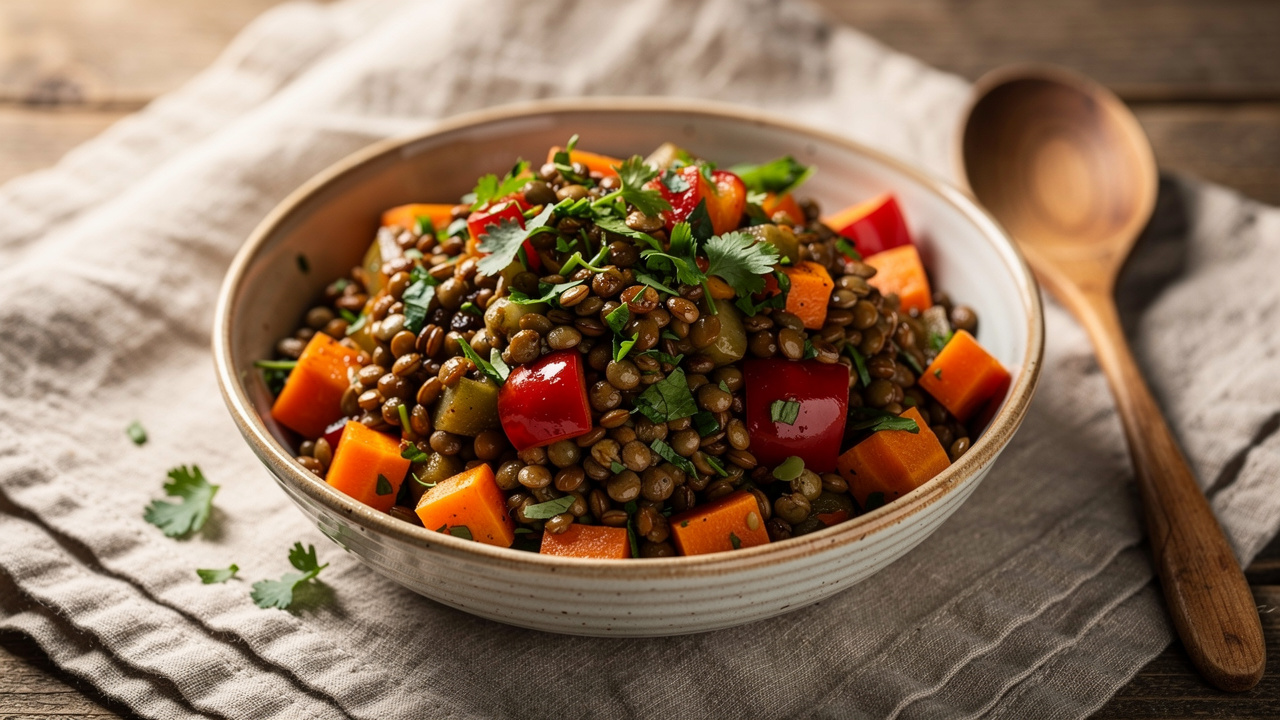
Fiber is found only in plant foods, and it does far more than keep the bowels moving. It feeds the helpful bacteria in the gut, which then produce substances that protect the lining of the intestines and support the immune system. A healthy gut makes it easier for the body to absorb vitamins, minerals, and other protective compounds from food.
Research shows a clear link between higher fiber intake and lower risk of colorectal cancer. Fiber helps move waste through the digestive tract more quickly, so potential carcinogens spend less time in contact with the intestinal wall. At the same time, fiber helps steady blood sugar levels and can lower cholesterol, both of which support better long‑term health during and after cancer treatment.
Supporting a Healthy Weight and Reducing Risk
Excess body weight is connected to a higher risk of more than ten different types of cancer, including breast, colorectal, and pancreatic cancers, and a new study on this diet pattern shows how plant-based approaches may help reduce these cancer risks through weight management and metabolic health improvements. Whole plant foods are naturally lower in calories and higher in water and fiber, which means they can fill the stomach without the same calorie load as many processed foods. This makes it easier to reach or maintain a comfortable, healthy weight without strict calorie counting.
When weight settles into a steadier range, hormones and inflammation markers often move in a better direction. That shift is one of the ways a plant-based diet and cancer risk are linked. It is not about being thin but about giving the body a calmer internal setting in which to heal and function.
Calming the Mind of Cancer: Our Holistic Approach to Nutrition

At Calming the Mind of Cancer, we see food as one part of a much wider circle of care. Medical treatments like surgery, chemotherapy, immunotherapy, and radiation are at the center of that circle. Around them, we bring in nutrition, meditation, breathing practices, gentle movement, and emotional support so that people feel held on many levels, not just physically.
Our nutrition content focuses strongly on plant‑forward eating, because the research on a plant-based diet and cancer prevention and support is growing stronger each year. We share clear explanations of antioxidants, phytochemicals, and fiber, along with simple examples of meals rich in beans, whole grains, vegetables, fruits, nuts, and seeds. When we talk about superfoods, we mean everyday items like berries, leafy greens, flaxseeds, and broccoli, not expensive powders.
What sets our approach apart is that we do not treat nutrition as a set of strict rules. Instead, we pair information about plant-based eating with guided meditations, breathing exercises, and reflections that help calm fear around food choices. We talk about how to eat slowly, how to tune into hunger and fullness, and how to meet setbacks with kindness. In this way, nutrition becomes part of a mind‑body‑spirit practice that supports medical treatment rather than competing with it.
Plant-Based Eating During Cancer Treatment
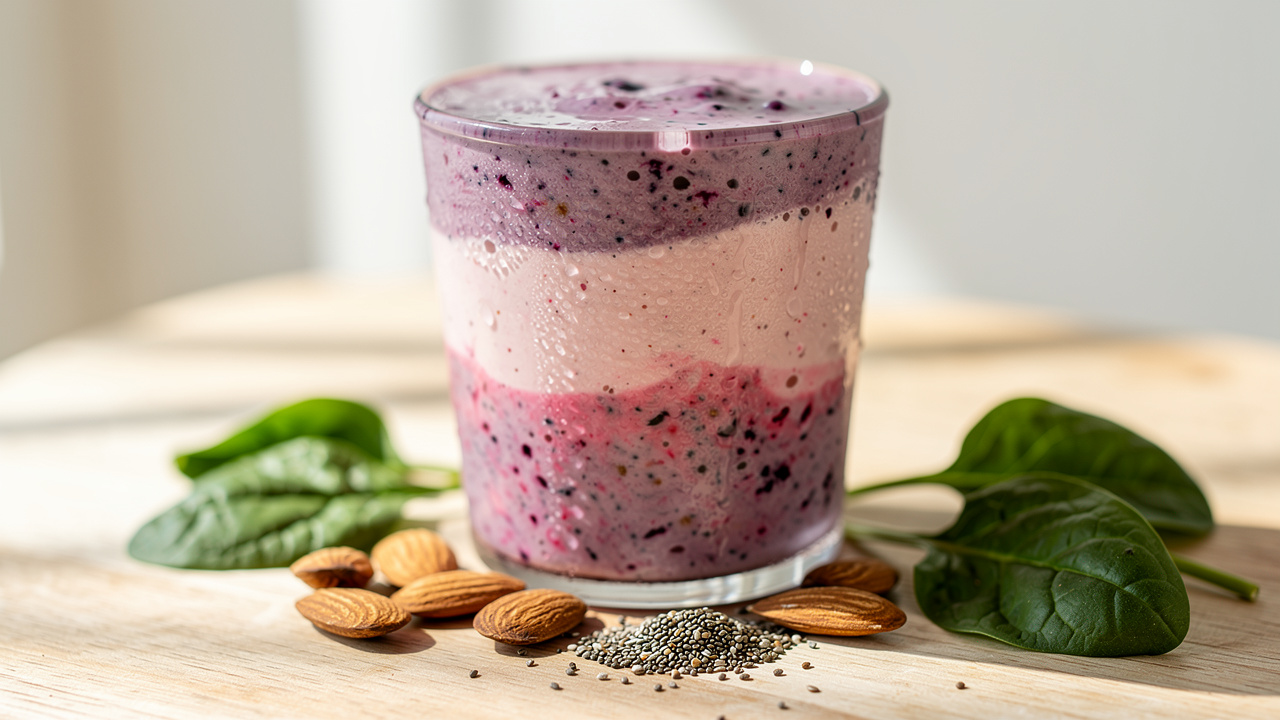
Cancer treatment often changes the way food tastes, smells, and feels. Nausea, mouth sores, fatigue, constipation, or diarrhea can all affect what sounds appealing from one day to the next. During these times, a plant-based diet can still be helpful, but it needs to bend and shift around symptoms instead of following a perfect picture.
Gentle plant-based options can be comforting when appetite is low, such as:
-
Smoothies with fruit, greens, and nut butter that can be sipped slowly.
-
Soft foods such as oatmeal, mashed sweet potatoes, blended soups, and tofu when chewing is tiring or the mouth is sore.
When diarrhea is a problem, some people do better with lower‑fiber choices for a while, like white rice, peeled fruit, or refined grains, then add more fiber back in as things settle.
Protein and calories are especially important during treatment, because the body needs extra building blocks to repair tissues and keep the immune system working. That may mean adding beans, lentils, tofu, tempeh, nut butters, plant‑based protein shakes, or even some animal protein depending on what a person can tolerate. We strongly suggest working with an oncology dietitian, who can help match plant-based choices to the treatment plan, current lab values, and symptom patterns. Feeling that there is a plan in place can bring a sense of control at a time when many things feel uncertain.
Essential Nutrients to Consider: Planning for Success
A well‑planned plant-based diet can meet all the body’s needs, even during cancer care, but a bit of knowledge goes a long way. Because some nutrients are more concentrated in animal foods, it helps to know where to find them in plants and when supplements make sense. That way, a plant-based diet and cancer treatment can fit together with confidence instead of worry.
Key nutrients to keep in mind include:
-
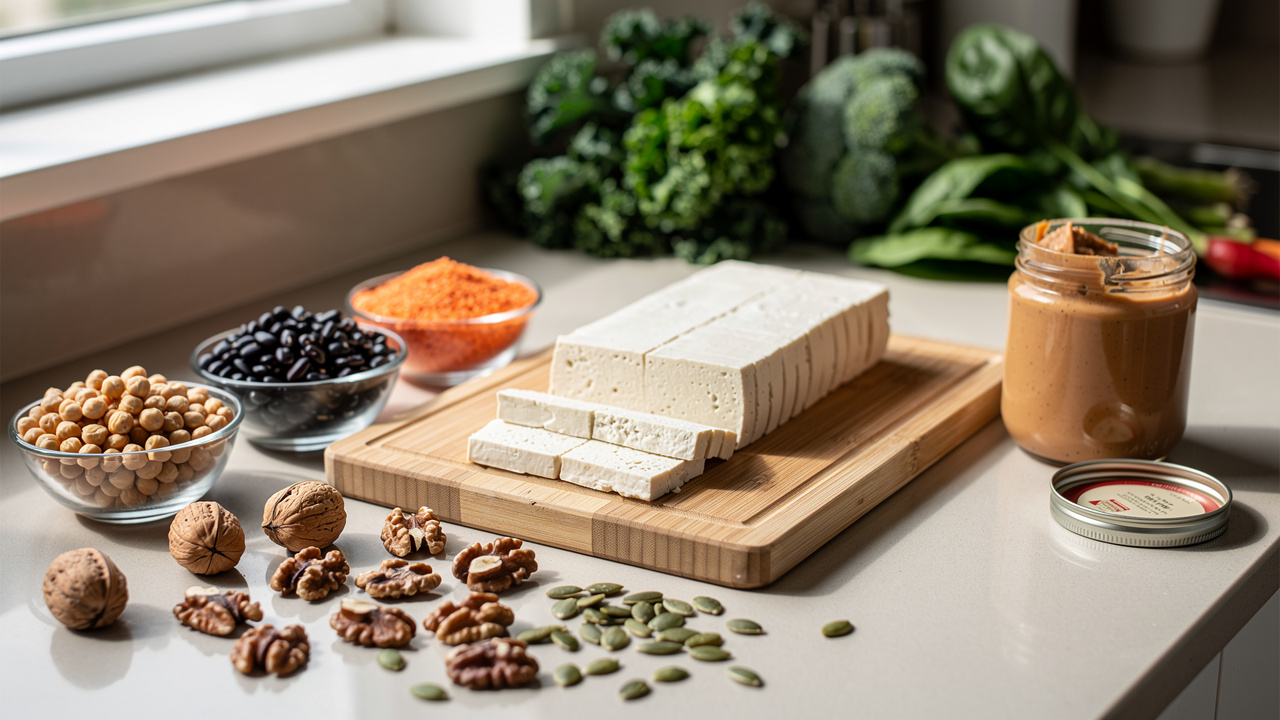
Protein: One of the first concerns people mention, and it is understandable. The body uses protein to repair tissues, maintain muscle, and support the immune system, all of which matter greatly during and after treatment. Lentils, beans, chickpeas, split peas, tofu, tempeh, edamame, quinoa, nuts, and seeds all provide protein. Eating a mix of these foods across the day gives the body a full range of amino acids without needing to track every gram.
-
Iron: Found in lentils, beans, tofu, pumpkin seeds, and dark leafy greens. Pairing these foods with a source of vitamin C such as citrus, berries, or bell peppers helps the body absorb more iron.
-
Calcium: Can come from fortified plant milks and yogurts, tofu made with calcium sulfate, and greens like kale and collards.
-
Zinc: Appears in beans, nuts, seeds, and oats and supports the immune system.
-
Healthy fats (including omega‑3s): Flaxseeds, chia seeds, hemp seeds, and walnuts provide omega‑3 fats that support heart and brain health and may ease inflammation.
-
Vitamin B12: Does not naturally occur in plant foods, so anyone who eats fully plant‑based needs a reliable supplement or consistent intake of fortified foods.
For people living with cancer, we recommend checking in with a healthcare provider or dietitian about simple blood tests to monitor levels and adjust supplements over time.
Practical Steps To Start Your Plant-Based Way of Eating
Shifting toward more plants can feel like a big project, especially while dealing with cancer, worry, or caregiving. The key is to think in terms of small, kind steps rather than an overnight makeover. Every extra serving of vegetables, every bean‑based meal, and every swap from refined grains to whole grains counts.
One helpful mindset is to focus on what can be added before thinking about what might be reduced. For example, before reaching for chips or cookies, try eating a piece of fruit or a handful of carrot sticks. Often, that small change satisfies part of the craving and makes it easier to stop at a smaller amount of the snack. Over time, the taste for fresher, lighter foods tends to grow.
-
Start by building one plant‑rich meal each day and letting that become a habit. Breakfast could be oatmeal with berries and walnuts or whole grain toast with avocado and tomato. Once that feels normal, move on to another meal and add more beans, vegetables, or whole grains there as well.
-
Increase fiber slowly so the body has time to adjust without gas or cramping. For one week, add just one extra serving of fruit, vegetables, or beans each day and notice how it feels. Cooking vegetables until they are soft and using blended soups can also make higher‑fiber foods easier to handle, especially during treatment.
-
Make healthy choices easier than less helpful ones by stocking simple plant-based staples. Frozen or canned low‑sodium vegetables and fruits, canned beans, tofu, nut butters, and whole grain pasta or rice can all sit on hand for quick meals. Reading labels and choosing items lower in added sugar, sodium, and unhealthy fats helps processed plant‑based products fit into the bigger picture without taking over.
Conclusion
A plant-based diet and cancer care do not need to stand on opposite sides. Bringing more whole plant foods onto the plate gently supports the body’s natural defenses with fiber, antioxidants, and steady energy. It is not a cure or a promise, but it is a meaningful way to participate in health each day.
The most helpful changes are often the small ones that a person can repeat with ease. Progress over perfection matters more than strict rules, especially during a time when so much already feels demanding. When plant-based eating is combined with medical treatment, mindful breathing, stress relief, and emotional support, the whole person receives care.
At Calming the Mind of Cancer, we are here to walk beside anyone who wants to explore this path, whether they are newly diagnosed, in active treatment, or moving into life after cancer. Our hope is that the tools shared here help each reader move toward calmer thoughts, steadier meals, and a kinder relationship with their body. Working with healthcare providers and dietitians, every person can shape a way of eating that feels safe, realistic, and deeply supportive.
FAQs
Question 1: Can I Get Enough Protein on a Plant-Based Diet During Cancer Treatment?
Yes, it is very possible to meet protein needs with a plant-based diet during cancer treatment. Beans, lentils, chickpeas, tofu, tempeh, edamame, quinoa, nuts, and seeds all contribute important amounts of protein. Eating protein at each meal and snack can help keep levels steady through the day. For people with higher needs or low appetite, smoothies made with plant-based protein powder or adding nut butter to oatmeal and snacks can be helpful. An oncology dietitian can help calculate an individual protein goal and suggest easy ways to reach it.
Question 2: Do I Need To Eliminate All Animal Products To Benefit From a Plant-Based Diet?
No, a person does not have to stop all animal foods to gain benefits from a plant-based diet. Many people see improvements in health just by filling two‑thirds of the plate with vegetables, fruits, whole grains, and beans and keeping animal foods to the remaining space. Some choose to include small portions of fish, chicken, eggs, or dairy while still focusing on plants most of the time. The most important step is adding more whole plant foods in a way that feels realistic and calming.
Question 3: What About Vitamin B12? How Do I Make Sure I’m Getting Enough?
Vitamin B12 is a special case because it does not naturally occur in plant foods. For anyone eating fully plant-based, a regular B12 supplement is very important for healthy red blood cells and nerve function. Some people also include foods that have B12 added, such as certain plant milks, breakfast cereals, or nutritional yeast. Doses and forms can vary, so it is wise to talk with a healthcare provider or dietitian about what is right for each person. A simple blood test from time to time can show whether levels are in a safe range.
Question 4: Will Eating More Fiber Cause Digestive Problems During Treatment?
Eating more fiber can cause gas or bloating if the increase happens very quickly, and treatment can make digestion more sensitive. The body usually does better when fiber goes up slowly over several weeks instead of all at once. Cooking vegetables until soft, choosing peeled fruits, and using blended soups can make higher‑fiber foods easier to tolerate. When diarrhea is present, it may help to reduce very high‑fiber foods for a while and focus on gentler options. An oncology team or dietitian can adjust fiber goals during different phases of treatment without giving up the long‑term plan to eat more plants.
Question 5: Are All “Plant-Based” Packaged Foods Healthy Choices?
No, not all foods with a “plant‑based” label support health in the same way. Some packaged products are still high in added sugar, sodium, and unhealthy fats even though they contain no animal ingredients. Reading the nutrition label and ingredient list helps a person see whether the product is mostly whole foods or mostly additives. As a general guide, it helps to choose items with shorter ingredient lists and modest amounts of sugar and salt. Convenience products can fit into a plant-based diet and cancer care plan when they are balanced with plenty of fresh, frozen, canned, or lightly processed whole plant foods.
Question 6: How Soon After Diagnosis Should I Make Dietary Changes?
The best timing for changes depends on the treatment plan and how a person feels. It is usually safe to start adding more fruits, vegetables, and whole grains right away in small, comfortable steps. Bigger shifts, such as going fully plant‑based or cutting out certain foods, are best discussed with the oncology team and a dietitian. That way, nutrition changes support treatment rather than making it harder.