
Introduction
When people hear that cancer cells are “out of control,” it can sound as if the body has forgotten its own rules. In many tumors, though, cells are simply following a different rulebook for how they make energy. Instead of using oxygen efficiently, they fall back on an older, less efficient method called fermentation.
This is where ideas like the Warburg Effect and the two‑fuel switch come in. Researchers working with the cancer metabolic theory, including Thomas Seyfried, study how tumors depend on the fermentation of glucose and glutamine to keep growing. From that work has grown an approach called press‑pulse therapy for cancer, which tries to use this fuel dependence as a weakness instead of a mystery.
The aim of this article is straightforward: to offer the Warburg effect explained in plain language, show how glucose and glutamine act as twin fuels for many tumors, and introduce how press‑pulse researchers are trying to use this knowledge. The focus stays on calm understanding, not pressure. You do not need a science background to follow along, and nothing here replaces medical advice from your oncology team. It is one piece of the puzzle that may help you see new possibilities for supportive nutrition and metabolism, lifestyle, and inner steadiness.
Key Takeaways
Before diving into details, it helps to have a simple overview.
Many cancer cells rely on fermentation rather than normal oxygen‑based energy production. They burn fuel in a rushed, inefficient way even when oxygen is present, a pattern linked to damaged mitochondria and fast tumor growth.
The main fuels that support this fermentation pattern are glucose and glutamine. Glucose feeds rapid glycolysis in the cell fluid, and glutamine supports fermentation inside damaged mitochondria. Together they supply energy and building blocks for division.
The Warburg Effect is the name for this strong pull toward glucose fermentation. It helps explain why tumors often light up on PET scans that use radioactive sugar, as cancer cells absorb sugar far more quickly than nearby healthy cells.
Press‑pulse therapy is a research‑based metabolic strategy that tries to use these fuel needs against the tumor. A steady “press,” such as a ketogenic diet with calorie restriction, is paired with short “pulses,” such as hyperbaric oxygen, to stress cancer cells while sparing most healthy cells.
Diet, blood sugar control, stress reduction, and other gentle lifestyle shifts may influence the body’s metabolic environment. With good medical guidance, these choices can sit alongside standard care and offer an added sense of participation and support.
What Is The Warburg Effect — And Why Does It Matter For Cancer Patients?
One way to picture the difference between healthy cells and many cancer cells is to think about cars. A healthy cell is like a modern hybrid that runs cleanly on fuel and air, wasting very little. A cancer cell often behaves more like an old engine with bad spark plugs, burning fuel halfway and pumping out exhaust even when plenty of air is available.
In the early twentieth century, Nobel Prize–winning scientist Otto Warburg noticed this strange pattern. He saw that cancer cells used large amounts of glucose and turned much of it into lactic acid even when they had access to oxygen. This process is called aerobic glycolysis, or the Warburg Effect. In simple terms, it is a pattern of fast sugar use and lactic acid production in the presence of oxygen.
“Cancer, above all other diseases, has countless secondary causes. But even for cancer, there is only one prime cause… the replacement of the respiration of oxygen in normal body cells by a fermentation of sugar.” — Otto Warburg
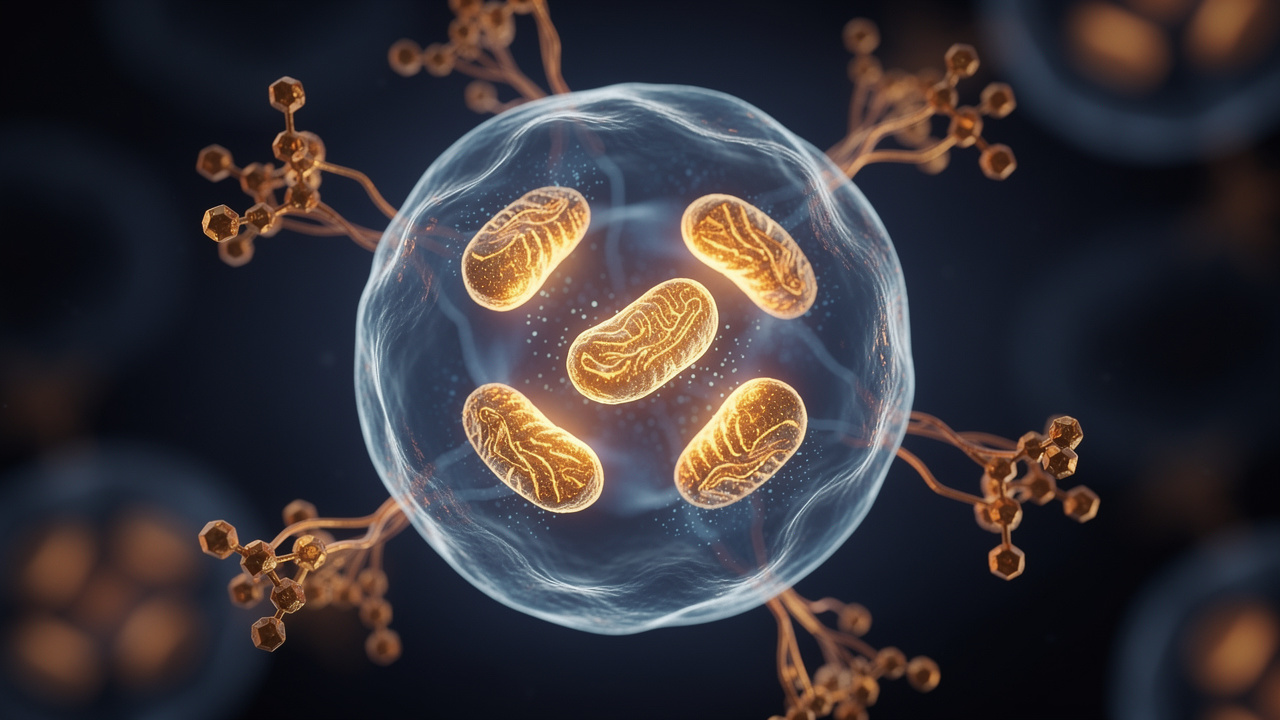
Why would a cell choose this path when normal oxygen‑based energy production is so much more efficient? Research points toward damaged mitochondria, the tiny “power plants” inside cells. When mitochondria cannot handle oxygen properly, the cell falls back on fermentation, which happens in the cell fluid and inside impaired mitochondria. This idea is central to the cancer metabolic theory that scientists such as Thomas Seyfried discuss. In that view, cancer is first a disease is first a disease of energy production, and many genetic changes are later consequences.
This matters in practical ways. PET scans that use radioactive glucose, called FDG‑PET scans, detect tumors because cancer cells pull in far more glucose than surrounding tissues. The scanner simply follows the sugar trail.
The Warburg Effect is not just a laboratory curiosity. It may be one of cancer’s most promising weak points.
Understanding this pattern does not ask anyone to walk away from chemotherapy, radiation, surgery, or other standard treatments. Instead, it offers another lens through which to view the disease and to consider how nutrition and metabolism might fit into the care plan.
The Two-Fuel Switch – How Cancer Cells Use Glucose And Glutamine
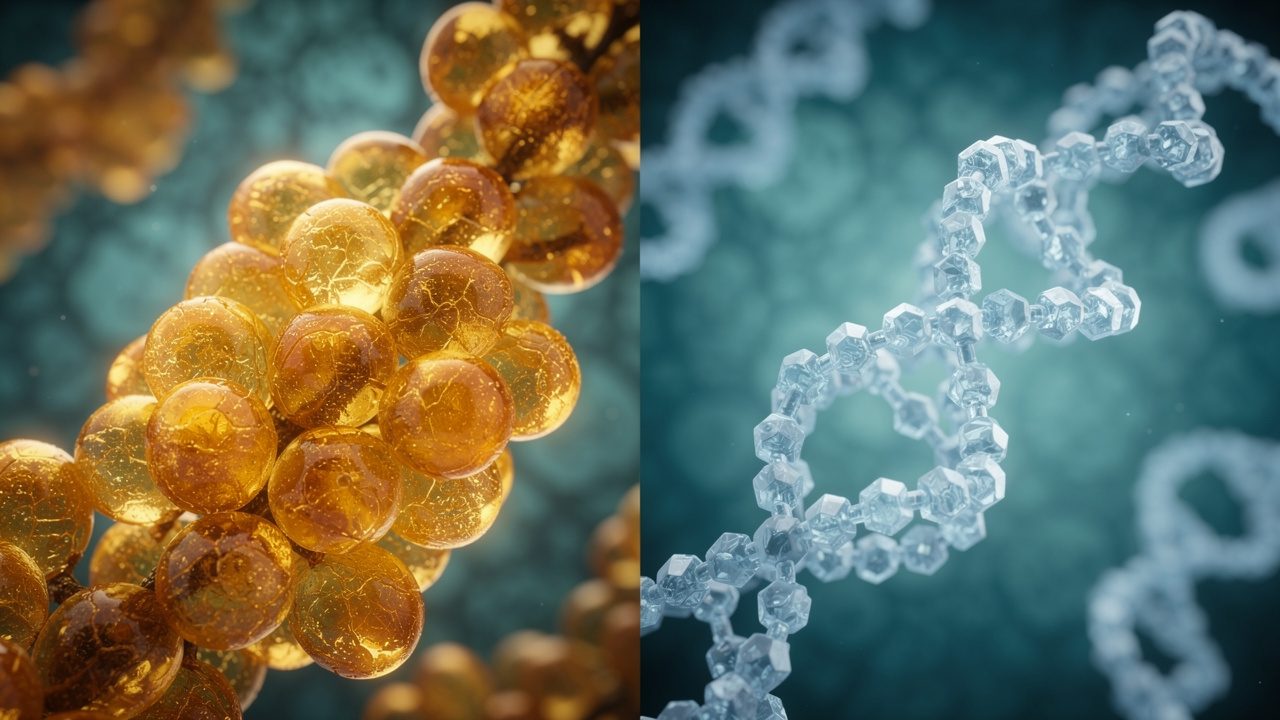
If glucose is the first fuel that keeps many tumors going, glutamine is like a backup generator that quietly supports the same system. Together, these two fuels sit at the center of glucose glutamine cancer fermentation and help explain why some cancers are so persistent.
Fuel one is glucose. Through glycolysis, cancer cells break down glucose very quickly in the fluid part of the cell. This makes a modest amount of energy and also supplies raw materials the cell needs to divide, such as building blocks for DNA, RNA, fats, and proteins. Insulin, the hormone that lowers blood sugar, also acts as a growth signal. When insulin is high, it becomes easier for cancer cells to pull in glucose and feed this process.
Fuel two is glutamine. Glutamine is the most abundant amino acid in the blood and tissues. Cancer cells move glutamine into their damaged mitochondria and run it through pathways known as glutaminolysis or the Q‑effect. From there, they can generate energy through fermentation steps, produce important molecules for growth, and make antioxidants such as glutathione, which help them cope with stress.
These two fuels can cover for each other:
If a therapy lowers glucose, many tumors lean more on glutamine.
If glutamine is limited, glucose fermentation may rise.
This shared support is one reason cancer can be hard to control, yet it also creates a pattern very different from healthy tissue.
Most healthy cells are metabolically flexible. When glucose is scarce, they can switch to burning fats and ketone bodies in their mitochondria. Cancer cells, with their damaged mitochondria, often cannot use ketones well. That metabolic rigidity is a key reason strategies that lower glucose and raise ketones have drawn research interest.
The metabolic rigidity of cancer cells — their inability to adapt to new fuels — may be one of their greatest vulnerabilities.
A simple comparison helps:
Feature | Healthy Cells | Cancer Cells |
|---|---|---|
Main fuels | Glucose, fats, ketones | Glucose, glutamine |
Main energy method | Oxygen‑based respiration in mitochondria | Fermentation in cell fluid and damaged mitochondria |
Ability to switch fuels | High | Low |
Use of ketones | Usually strong | Often poor |
This rigid pattern is exactly what press‑pulse therapy for cancer tries to work with, by limiting fermentable fuels and favoring cleaner fuels that healthy cells can use but tumors cannot.
What Is Press-Pulse Therapy For Cancer? The Strategy Behind The Science
The idea of press‑pulse therapy originally comes from paleobiology, the study of ancient life. Large extinction events often happened when steady stress pressed species toward the edge, and then a sudden shock pushed them past their limits. Cancer researchers asked how a similar pattern might apply to tumors.
In this model:
A press is a long‑term change in the body that keeps steady pressure on cancer cells, such as lowering glucose and insulin through diet and stress reduction.
A pulse is a short, more intense therapy added on top, such as hyperbaric oxygen or a drug that blocks glutamine.
Since cancer cells are already strained by the press, these pulses may have a stronger effect, while healthy cells tolerate them better.
The “Press” – Ketogenic Diet And Calorie Restriction
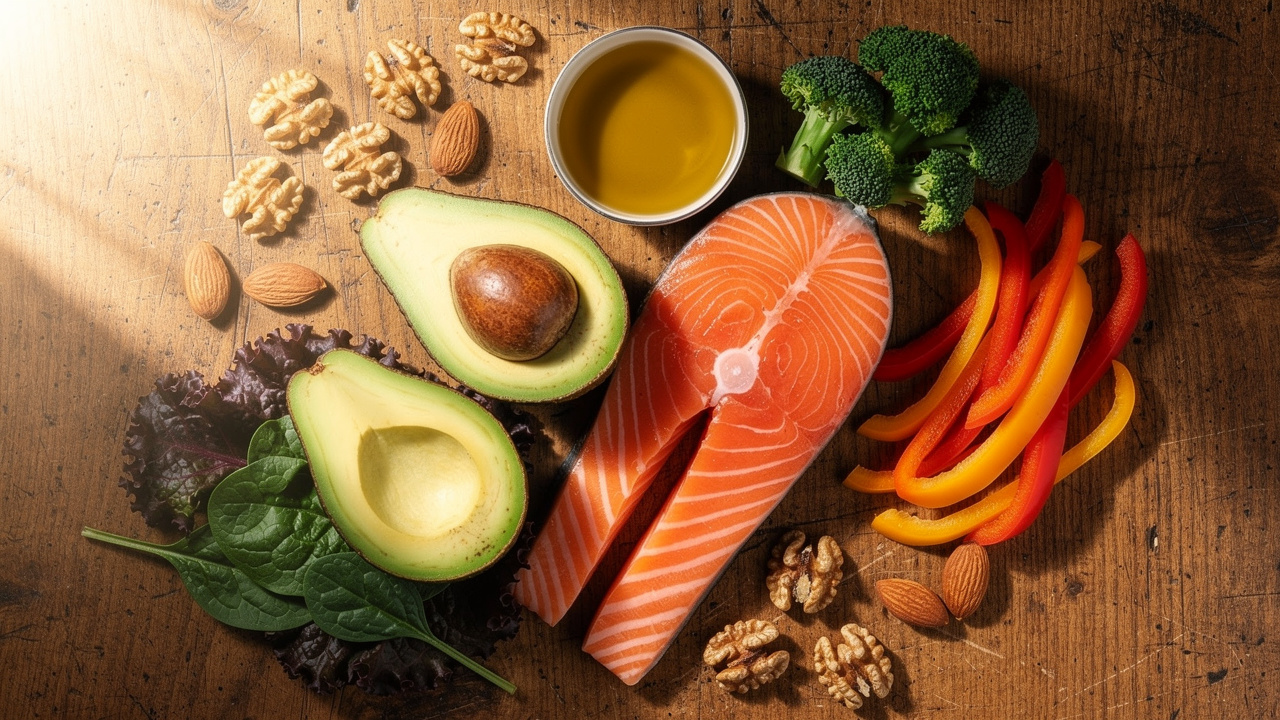
The main press in most metabolic plans is a calorie‑restricted ketogenic diet, often called ketogenic metabolic therapy. This way of eating is very low in carbohydrates, moderate in protein, and higher in healthy fats. By sharply limiting starches and sugars, blood glucose and insulin tend to fall. For cancer cells that depend on glucose fermentation, this means less of their preferred fuel and weaker growth signals.
When carbohydrates stay low, the liver produces ketone bodies, mainly beta‑hydroxybutyrate and acetoacetate. Healthy cells use these ketones easily, feeding them into their mitochondria to make energy. Many cancer cells, however, cannot use ketones well, if at all. This creates a quiet but meaningful split between tumor tissue and the rest of the body.
A helpful tool in ketogenic diet research is the Glucose Ketone Index (GKI). This number is made by dividing blood glucose (in millimoles) by blood ketones. Lower numbers mean glucose is low while ketones are higher, which signals stronger metabolic pressure on the tumor. In research settings, some teams aim for a low GKI under close supervision, especially for aggressive cancers.
The press is not only about food. Chronic emotional stress keeps cortisol and blood sugar higher, which may feed the tumor. Practices such as meditation, gentle yoga, breathing work, and guided imagery can lower these stress signals. At Calming the Mind of Cancer, the focus on mindfulness and spiritual grounding sits alongside evidence‑based nutrition for this reason. Any strong dietary change, especially for someone with weight loss or other medical issues, should be guided by an oncology team and, when possible, a dietitian familiar with metabolic therapy.
The “Pulse” – Hyperbaric Oxygen And Other Acute Stressors
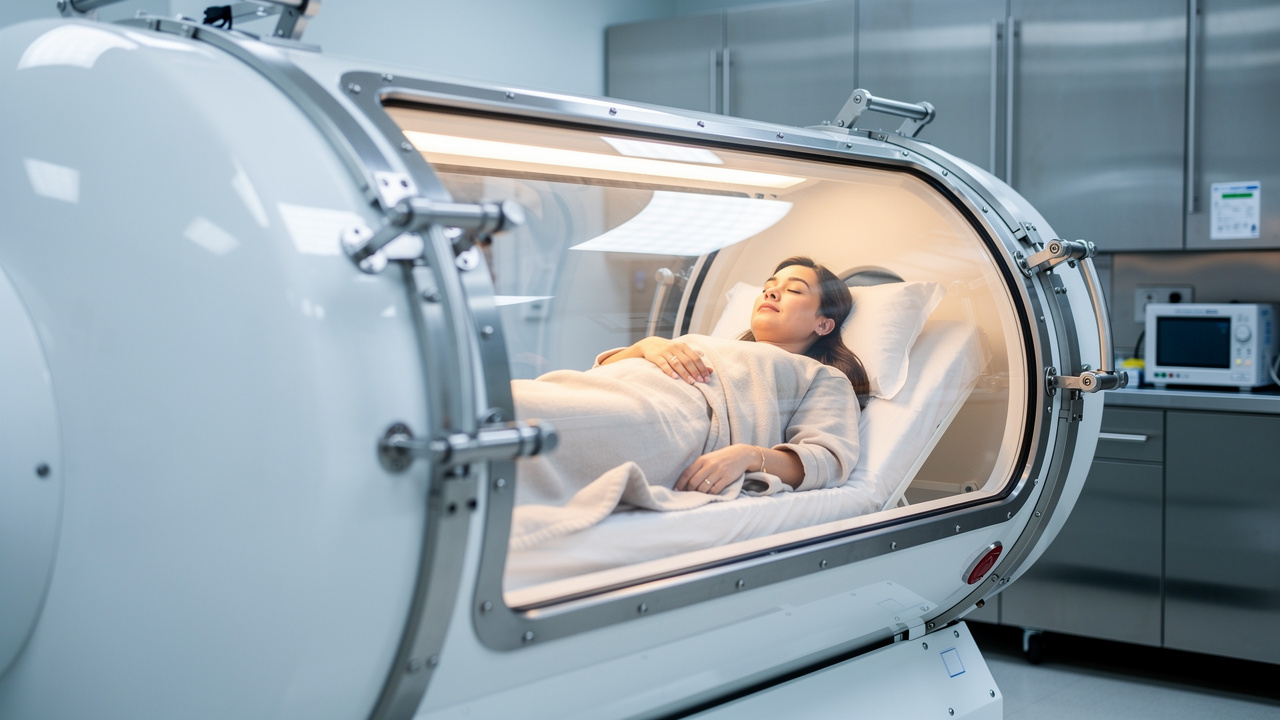
While the ketogenic press quietly stresses cancer cells over weeks and months, pulses act like short waves that crash on top of that steady tide. One of the most studied pulses is Hyperbaric Oxygen Therapy (HBOT). During HBOT, a person breathes pure oxygen in a pressurized chamber, which pushes far more oxygen into the blood and tissues than normal.
Cancer cells often grow best in low‑oxygen conditions. When suddenly flooded with oxygen, they can produce a burst of reactive molecules inside their damaged mitochondria. This rush of oxidative stress may damage membranes and DNA and can trigger cell death. Healthy cells, especially those running on ketones, usually handle this oxygen load much better. Animal work from hyperbaric oxygen ketogenic diet cancer studies has shown that the mix of therapeutic ketosis and HBOT can slow tumor growth and lower spread compared with either alone.
HBOT used together with a ketogenic diet has shown strong synergy in several preclinical cancer models.
Other pulses focus on the second fuel, glutamine. Drugs such as DON block glutamine use in cancer cells. Because glutamine is also important for the immune system and the gut, these medicines are given in short pulses rather than every day, with rest periods so healthy tissues can recover.
Researchers also investigate several older medicines for their metabolic effects. Metformin, a common diabetes drug, can lower blood glucose and may mildly stress tumor metabolism. 2‑deoxyglucose (2‑DG) mimics glucose but blocks parts of glycolysis. Certain statins and anti‑parasitic drugs such as fenbendazole are also being studied as additional pulses. Radiation and chemotherapy can fit into this pattern as well, with some scientists testing whether therapeutic ketosis makes cancer cells more sensitive to lower doses.
As cancer researcher Thomas Seyfried has argued, “Cancer is primarily a disease of energy metabolism,” which is why so many of these pulses target how tumor cells use fuel.
All of these approaches are complex and experimental. They require medical supervision, careful timing, and close monitoring. The press‑pulse pattern is a framework, not a do‑it‑yourself protocol.
What This Means For You – Nutrition, Lifestyle, And Holistic Support

No one facing cancer needs to become a metabolic scientist. Still, understanding that cancer cells favor certain fuels, while healthy cells can live well on a wider range, can bring a quiet sense of choice. Small steps in daily nutrition, stress care, and spiritual support may help tilt the inner environment in a more helpful direction.
At Calming the Mind of Cancer, this is the heart of the work. The platform brings together modern modern nutritional science and long‑respected contemplative practices. Programs on Nutrition and Cancer Support, Antioxidant‑Rich Foods and Healing, and Superfoods and Cancer Prevention offer clear, practical guidance without fear or pressure. The focus is on creating meals and habits that support the whole person, not on chasing any single magic answer.
Diet on its own is not a cure, and more intensive metabolic therapies such as full ketogenic press‑pulse plans or HBOT pulses must be managed by cancer specialists. Still, gentle shifts can support health for many people, even outside formal protocols.
Some approachable steps many find helpful include:
Reducing added sugars and refined starches in a steady, kind way. This can mean choosing water or herbal tea instead of sweet drinks, or favoring whole grains and vegetables over white bread and sweets. These choices can ease swings in blood sugar and insulin, which may make the body a less friendly place for fermentation‑driven tumor cells.
Leaning into whole, colorful plant foods and healthy fats. Vegetables, berries, herbs, nuts, seeds, and omega‑3 rich foods offer antioxidants and anti‑inflammatory compounds. Over time, these foods can support the immune system, support gut health, and help the body cope with the stresses of treatment and illness.
Making stress care part of daily life rather than something extra. Simple Simple meditation, prayer, guided relaxation, or slow walks can lower cortisol and help stabilize blood sugar. Many people find that when the nervous system settles, it is easier to make thoughtful food choices and stay present with medical decisions.
Seeking guidance, not going it alone. Talking with an oncology team, and when possible an integrative or nutrition‑focused clinician, helps match any changes to the person’s diagnosis and treatment plan. The educational resources offered by Calming the Mind of Cancer can then sit beside this professional guidance, giving day‑to‑day ideas for meals, practices, and gentle self‑support.
Each small step is an act of care rather than a test. The aim is not perfection but a kinder, more supportive way of living with or after cancer.
Conclusion
Cancer can feel like a force that has taken over the body. Yet at a deep level, many cancer cells are simply running on a different and more fragile energy system. They lean heavily on fermentation of glucose and glutamine because their mitochondria cannot use oxygen well. This is the heart of the Warburg Effect and the two‑fuel switch.
Press‑pulse therapy for cancer is one way researchers are trying to work with that weakness. A steady press from diet and stress reduction, combined with carefully timed pulses such as hyperbaric oxygen or metabolic drugs, aims to stress cancer cells more than healthy ones. While this field continues to grow and remains complex, it carries a quiet message of hope. The body is not helpless.
Every bit of understanding that someone gains about their own metabolism can support more grounded decisions and more compassionate self‑care. With guidance from medical teams, thoughtful nutrition, mindful practices, and spiritual support can sit alongside chemotherapy, radiation, and surgery. Calming the Mind of Cancer is here to walk beside people on this path, offering gentle education, emotional steadiness, and practical tools to support both mind and body.
FAQs
What Is The Warburg Effect In Simple Terms?
The Warburg Effect describes how many cancer cells prefer to use glucose in a rushed, inefficient way, even when plenty of oxygen is available. Instead of making energy mainly through clean oxygen‑based respiration in mitochondria, they ferment sugar into lactic acid. This odd pattern reveals damaged mitochondria and intense sugar hunger, which is why PET scans that track radioactive glucose can often spot tumors.
What Are The Two Fuels Cancer Cells Depend On?
The two main fuels are glucose and glutamine. Cancer cells ferment glucose in the cell fluid to gain quick energy and building blocks for growth. They also draw in glutamine and ferment it inside damaged mitochondria, gaining more energy and materials to build DNA, proteins, and protective antioxidants. Together, these two fuels keep many tumors supplied even when conditions are hard.
What Is Press-Pulse Therapy For Cancer?
Press‑pulse therapy is a metabolic strategy that uses a steady background stress on cancer cells, the press, along with short bursts of stronger therapies, the pulses. The press often involves a ketogenic diet and other steps that lower glucose and insulin and raise ketones. Pulses may include hyperbaric oxygen, drugs that target glutamine, or other metabolic medicines. The aim is to weaken cancer cells through their fuel needs while keeping healthy cells safer than they would be with standard treatment alone.
Can Diet Really Affect Cancer Metabolism?
Recent research suggests that what someone eats can change blood glucose, insulin levels, and other signals that shape cancer metabolism. While diet alone does not cure cancer, thoughtful nutritional patterns may support standard treatments and help create a less helpful environment for fermentation‑driven tumor cells. Any major change, such as moving toward a ketogenic pattern, should be discussed with an oncology team so that it fits safely with the person’s diagnosis, therapies, and overall health.