Role of Nutrition in Cancer Prevention
Introduction
When cancer is part of life, even as a distant worry, every ache or news story can feel heavy. Food often turns into a mix of comfort, confusion, and questions. The role of nutrition in cancer prevention can sound hopeful and overwhelming at the same time.
Many experts estimate that close to 30% of cancer deaths may relate to diet, a share similar to deaths linked to smoking. That number is sobering, yet it also reminds us that everyday food choices shape the inner conditions in which our cells live.
At Calming the Mind of Cancer, we see food as more than fuel. We weave together nutrition science with practices like meditation, mindful breathing, and prayerful reflection. The plate and the mind work side by side. When we eat with calm attention, we support both our body and our spirit.
As the American Institute for Cancer Research explains, “No single food or nutrient can protect you against cancer. But the right combination of foods can.”
This guide looks at how food affects cancer at the cellular level, how weight and movement matter, and how to build a realistic, cancer‑preventive way of eating. We will also touch on the gut microbiome, alcohol, supplements, and practical steps that fit into real life.
Key Takeaways
-
Body weight, movement, and diet work together. In the United States, about one in five cancers is linked to excess body fat, low activity, and unbalanced eating. Small, steady changes in habits can have a real long‑term impact.
-
Plant-rich eating protects on many fronts. Vegetables, fruits, whole grains, and legumes provide thousands of phytochemicals that can calm inflammation, protect DNA, and support healthy cell death.
-
Red and processed meats raise colorectal cancer risk. Processed meats are classified as cancer causing, and red meats as likely cancer causing. Choosing fish, poultry, and plant proteins more often can lower risk.
-
Mediterranean-style patterns are well studied. An eating style centered on vegetables, fruits, whole grains, legumes, nuts, and olive oil is linked with lower rates of several cancers and better survival after a diagnosis.
-
Physical activity and nutrition reinforce each other. Aiming for 150–300 minutes of moderate movement each week helps with weight, hormones, insulin control, and the risk of several common cancers.
-
The gut microbiome responds strongly to diet. Fiber-rich, plant-based meals feed helpful bacteria that produce short-chain fatty acids such as butyrate, which protect the colon and support healthy immune function.
-
Alcohol raises the risk of at least eight cancers. From mouth and throat to breast and colon cancers, the safest choice for prevention is not to drink; if someone does drink, keeping intake very low matters.
How Nutrition Influences Cancer Development At The Cellular Level
Chronic Inflammation: The Hidden Driver Of Cancer Growth
Cancer usually develops over many years. Long-lasting, low-grade inflammation can speed this process by weakening the body’s defenses. Immune cells release chemical messengers that switch on pathways like NF‑κB and STAT3, which encourage cells to divide, resist death, and grow new blood vessels.
Eating patterns rich in refined starches, sugar, and saturated fat tend to keep these inflammatory signals active. In contrast, foods such as fatty fish, flaxseeds, walnuts, turmeric, green tea, grapes, and many colorful vegetables help quiet these pathways. At Calming the Mind of Cancer, we pair such anti‑inflammatory foods with stress‑reducing practices like mindful breathing, since emotional stress can also feed inflammation.
Protecting DNA: Antioxidants And Cellular Defense Systems
Every cell produces reactive oxygen species (free radicals) as part of normal metabolism. In excess, these unstable molecules damage DNA and may trigger changes in genes linked to cancer. Very well‑done or charred meats also add to this oxidative burden.
Plant foods supply antioxidants such as vitamins C and E, carotenoids, and polyphenols that help neutralize free radicals. Cruciferous vegetables (broccoli, Brussels sprouts, cabbage) and allium vegetables (garlic, onions, leeks) also activate detox enzymes in the liver and gut that help clear potential carcinogens. Whole foods deliver these compounds in balanced combinations that single supplements cannot match.
Regulating Growth Signals: Insulin, IGF-1, And Cancer Proliferation
Hormones that control blood sugar and growth, including insulin and insulin‑like growth factor‑1 (IGF‑1), also affect cancer risk. Diets heavy in white bread, sweets, and sugary drinks cause repeated blood sugar spikes, leading to higher insulin levels and more active IGF‑1. This signals cells to divide and survive when they should not.
To soften these swings, it helps to choose whole grains, beans, lentils, and intact fruits instead of refined carbohydrates and sugary drinks. Some people consider intermittent fasting or calorie‑conscious eating, but these patterns are not right for everyone. Anyone living with cancer or other medical conditions should talk with their care team before trying restrictive plans.
Supporting Natural Cell Death And Preventing Tumor Blood Supply
Healthy tissues rely on apoptosis, a built‑in “self‑destruct” program that removes damaged or misbehaving cells. Cancer cells often find ways to avoid this process. Certain plant compounds can gently nudge abnormal cells back toward programmed death.
Polyphenols such as EGCG in green tea, curcumin in turmeric, resveratrol in grapes, and isothiocyanates in cruciferous vegetables have shown these effects in lab studies. Tumors also need to grow their own blood supply (angiogenesis). Compounds in green tea, berries, and other plant foods can interfere with those signals. At Calming the Mind of Cancer, we describe these foods as allies, not cures, and help people fold them into comforting meals and teas.
The Foundation: Achieving A Healthy Weight And Active Lifestyle

Understanding The Weight-Cancer Connection
Research from the NIH-AARP Diet and Health Study confirms that excess body fat is linked with at least thirteen cancers, including colorectal, postmenopausal breast, uterine, and pancreatic cancers. Fat tissue acts like an organ, releasing hormones and inflammatory substances that can raise estrogen, insulin, IGF‑1, and alter adipokines in ways that support tumor growth.
Patterns most tied to weight gain often include large portions of fast food, sugary drinks, sweets, and processed meats. A plant-forward way of eating rich in vegetables, fruits, beans, and whole grains tends to be more filling for fewer calories and supports weight stability. We know weight is a sensitive topic, especially after treatment. At Calming the Mind of Cancer, we focus on gentle steps, reminding people that even preventing further gain or losing a modest amount can bring health benefits.
The Power Of Physical Activity In Cancer Prevention
Movement supports cancer prevention by helping manage weight, improving insulin sensitivity, and lowering some hormone and inflammation levels. Large studies show that more active people have lower rates of colon, breast, and endometrial cancers.
The American Cancer Society suggests adults aim for:
-
150–300 minutes of moderate activity (like brisk walking, dancing, or casual biking) each week, or
-
75–150 minutes of vigorous activity (such as running, fast biking, or singles tennis).
Sitting for long stretches carries its own risks, so breaking up screen time with short walks or stretches helps. For someone in treatment or recovery, any safe movement counts, even slow walks in the house or gentle chair stretches. We often encourage pairing movement with mindful breathing so that activity calms the nervous system as well as the body.
The American Cancer Society notes that “staying at a healthy weight, being physically active, eating a healthy diet, and avoiding or limiting alcohol are among the most important ways to reduce your cancer risk.”
Building Your Cancer-Preventive Eating Pattern
Foods To Embrace: The Protective Power Of Plants
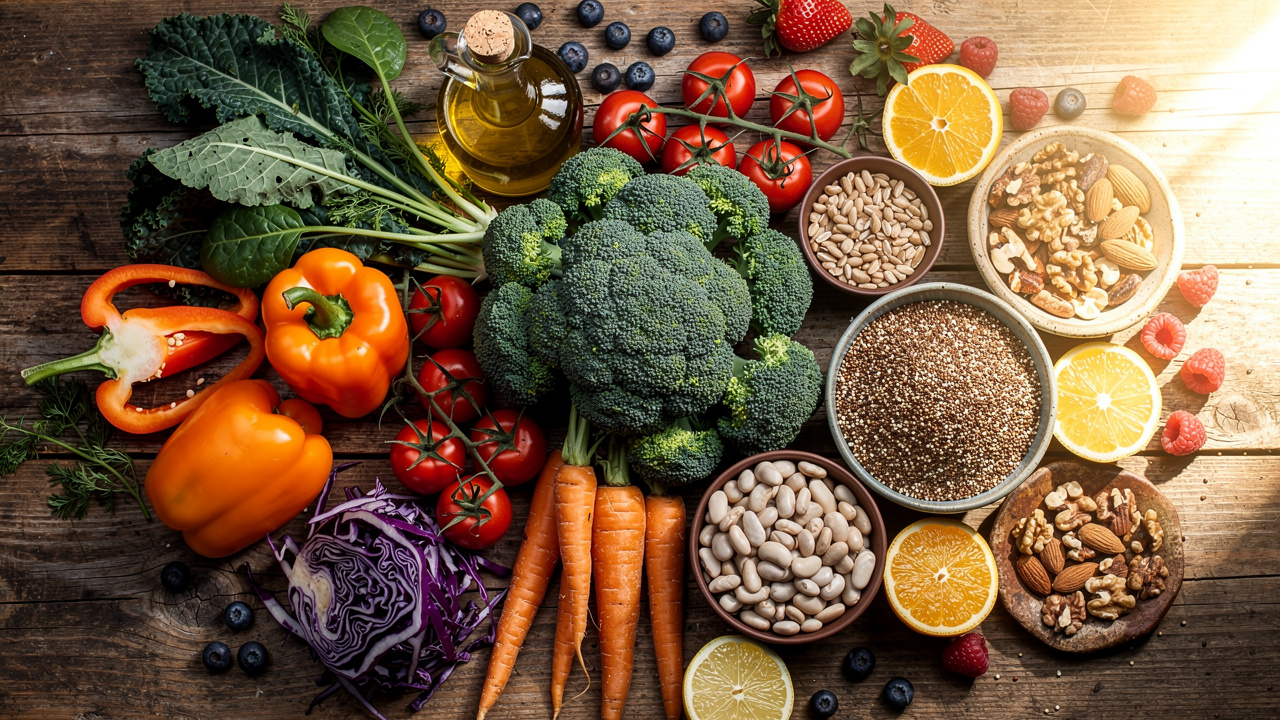
The protective role of plants becomes clear once you look at the research. Aim to make most of your plate vegetables, fruits, whole grains, legumes, nuts, and seeds. Helpful ideas include:
-
Vegetables and fruits
Dark green, red, and orange vegetables offer different protective compounds. Cruciferous vegetables contain sulforaphane and other isothiocyanates; allium vegetables provide sulfur compounds; tomatoes supply lycopene; berries and citrus add vitamin C and colorful pigments with antioxidant effects. -
Whole grains
Brown rice, oats, quinoa, whole wheat, barley, and similar grains keep their bran and germ, which provide fiber, B vitamins, minerals, and valuable plant compounds. Regular whole‑grain intake is linked with lower colorectal cancer risk. -
Legumes
Beans, lentils, and peas deliver both fiber and protein, plus resistant starch that feeds helpful gut microbes. Think bean chili, lentil soup, or chickpeas in salads. -
Nuts and seeds
Walnuts and flaxseeds provide omega‑3 fats, while almonds, sunflower seeds, and others add minerals and fiber in small portions. -
Tea, especially green tea
Green tea is rich in EGCG, a catechin with antioxidant and anti‑angiogenic properties. Enjoying two to five cups spread through the day can be a gentle support. At Calming the Mind of Cancer, we often invite people to treat tea time as a short mindfulness practice.
Foods To Limit Or Avoid: Reducing Cancer-Promoting Dietary Elements
Some foods are consistently tied to higher cancer risk:
-
Processed meats (bacon, sausage, hot dogs, deli meats) are classified as cancer causing in humans.
-
Red meats (beef, pork, lamb) are classified as likely cancer causing, especially for colorectal cancer.
These foods contribute heme iron and compounds formed during processing or high‑heat cooking that can damage DNA. Choosing fish, poultry, or plant proteins more often, and keeping red meat portions small and infrequent, lowers exposure.
Sugar‑sweetened drinks and foods high in added sugars add many calories with few nutrients, promote weight gain, and raise insulin and IGF‑1. Sodas, energy drinks, sweetened coffees, and large juices fall into this group. Swapping them for water, unsweetened tea, or sparkling water with lemon or berries helps over time.
Highly processed snacks, desserts, instant noodles, and many frozen ready meals combine refined grains, added sugars, and low‑quality fats. They are easy to overeat and crowd out nutrient‑dense foods. Cooking more from basic ingredients and choosing foods that look close to their natural form are practical ways to shift away from ultra‑processed items.
Exploring Dietary Patterns With Cancer-Preventive Potential
The Mediterranean Diet: A Gold Standard For Cancer Prevention
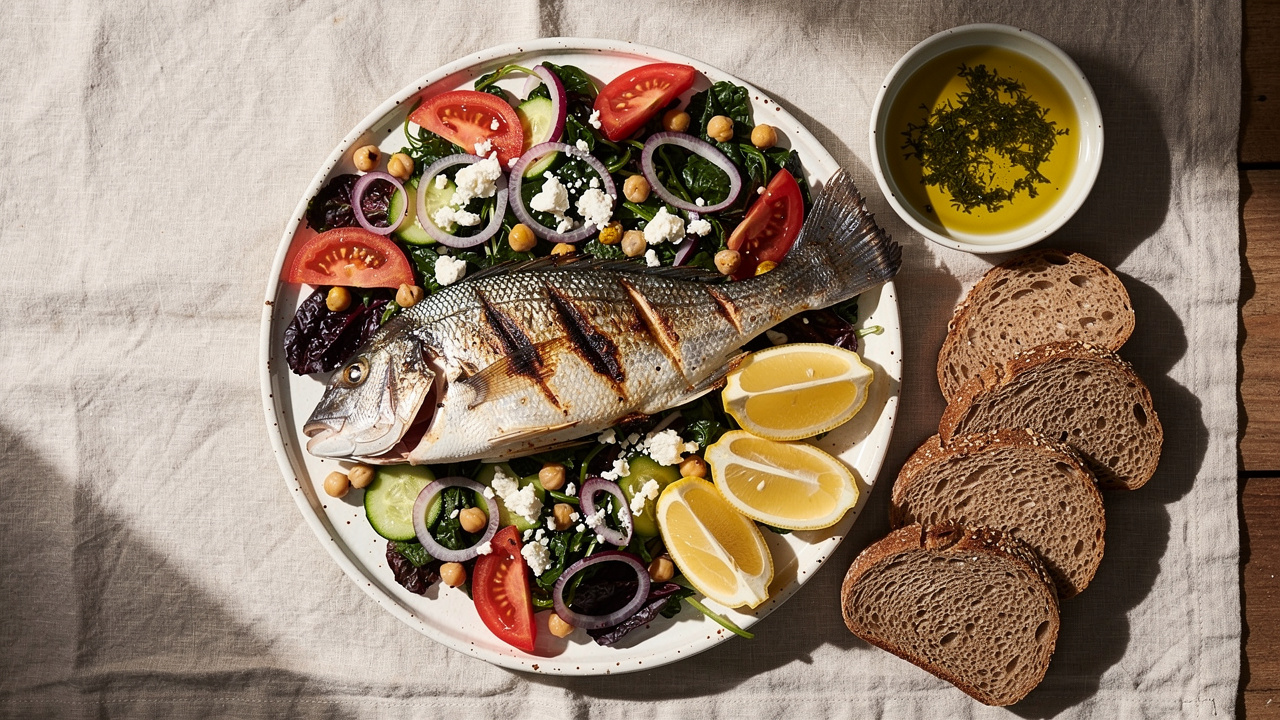
The Mediterranean diet reflects traditional eating in parts of Greece, Italy, and nearby regions. It centers on vegetables, fruits, whole grains, legumes, nuts, seeds, and olive oil as the main fat, with regular but moderate amounts of fish and poultry, and less red meat and sweets.
This pattern is rich in monounsaturated fats, omega‑3s, fiber, and antioxidants. People who follow it closely tend to have lower rates of breast, colorectal, and prostate cancers and better overall survival. Simple ways to move in this direction include using olive oil for cooking and salads, adding beans to soups and stews, eating fish a couple of times a week, and snacking on nuts instead of chips. Shared, unhurried meals also fit beautifully with our focus at Calming the Mind of Cancer on mindful eating rituals.
Plant-Based Diets: Vegetarian And Vegan Approaches
Vegetarian diets avoid meat, poultry, and fish; vegan diets avoid all animal products, including dairy and eggs. When planned well, both are usually high in fiber, antioxidants, and phytochemicals and lower in saturated fat.
Key points for plant-based patterns:
-
Include reliable sources of vitamin B12, iron, zinc, and omega‑3 fats.
-
Rely on beans, lentils, tofu, tempeh, nuts, and seeds for protein.
-
Be cautious with highly processed vegan products that are high in sodium, sugar, or poor‑quality fats.
Some people prefer small steps such as Meatless Mondays or a flexitarian style that keeps some animal foods while centering plants. At Calming the Mind of Cancer, we care more about a mostly plant-based pattern that feels realistic than about labels.
The Gut Microbiome: Your Inner World And Cancer Prevention
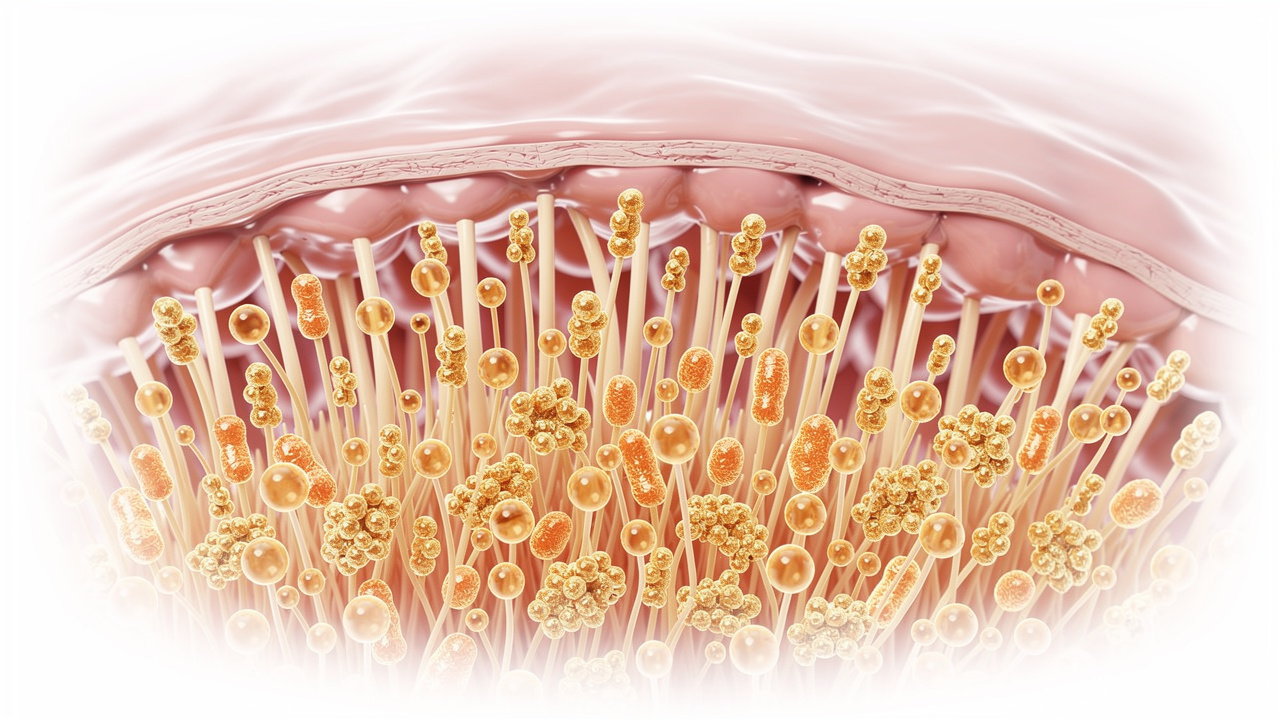
Trillions of microbes live in the digestive tract, forming the gut microbiome. This inner community helps digest food, produces vitamins, trains the immune system, and influences inflammation. Its makeup can support health or add to disease risk, including colorectal cancer.
Diet is one of the strongest forces shaping this community. Fiber from whole grains, legumes, vegetables, and fruits feeds helpful bacteria, which produce short‑chain fatty acids like butyrate. Butyrate nourishes colon cells, supports a strong gut barrier, reduces inflammation, and can encourage abnormal colon cells to die.
Diets high in saturated fat and refined sugar and low in fiber tend to lower levels of helpful microbes and increase those that create irritating byproducts, a state called dysbiosis. Dysbiosis has been linked with higher colorectal cancer risk and may affect how well some treatments, such as immunotherapy, work.
At Calming the Mind of Cancer, we often suggest:
-
Adding prebiotic fibers from onions, garlic, asparagus, oats, beans, bananas, and similar foods.
-
Including fermented foods like yogurt, kefir, sauerkraut, kimchi, or miso when tolerated.
-
Being cautious with artificial sweeteners, as some research suggests they may shift the microbiome in unhelpful ways.
Alcohol And Cancer: What You Need To Know
Alcohol is a known cause of cancer in humans and is considered a major preventable risk factor after tobacco use and excess body weight. Regular drinking raises the risk of cancers of the mouth, throat, voice box, esophagus, liver, colon, rectum, and breast. No type of alcohol—wine, beer, or spirits—is safer than another for cancer risk.
For those who wish to lower risk, the American Cancer Society advises avoiding alcohol. If someone chooses to drink, guidelines suggest no more than one drink per day for women and two for men. Newer research questions earlier claims of heart benefits from moderate drinking, and any small benefit does not outweigh the clear cancer risk. For social occasions, we often suggest mocktails, sparkling water with citrus or herbs, or calming herbal teas, while honoring the cultural role alcohol may play.
Dietary Supplements: Separating Fact From Fiction
When people learn how important nutrition is for cancer prevention, many wonder if a pill could offer extra protection. At this point, strong evidence does not support using vitamin or herbal supplements as a main strategy to prevent cancer. In some large trials, high‑dose beta‑carotene and vitamins A and E even increased lung cancer risk in certain smokers and former smokers.
Supplements are also regulated less strictly than prescription medicines, so actual contents may not always match labels, and contaminants are possible. There are times when supplements are appropriate—such as vitamin D for a confirmed deficiency, vitamin B12 for those who avoid animal products, or iron when medically needed. A basic multivitamin at or below 100% of the daily value is usually safe but does not replace a rich, plant‑based diet.
At Calming the Mind of Cancer, we focus on food first. When someone is considering supplements, we encourage sharing every product with their oncology and primary care teams so that pills and herbs do not interfere with treatments.
Practical Steps: Putting Cancer-Preventive Nutrition Into Daily Practice
Knowing the science is one thing; living it in daily life is another. We see food changes as acts of self‑kindness, not strict rules. Small, repeatable habits make the role of nutrition in cancer prevention more manageable.
-
Start The Morning With Whole Grains And Fruit.
Oatmeal with berries or whole‑grain toast with nut butter gives steady energy and gently replaces refined breakfast options. -
Fill Half Your Plate With Vegetables.
At lunch and dinner, aim for colorful salads, roasted broccoli, sautéed greens, or mixed vegetables. Include cruciferous and allium vegetables often. -
Bring Legumes And Whole-Food Snacks Into The Routine.
Bean chili, lentil soup, hummus with raw vegetables, fruit with a handful of nuts, or air‑popped popcorn add fiber and satisfaction. -
Make Simple Swaps At Home.
Trade white rice for brown rice or quinoa, use whole‑wheat pasta in favorite dishes, and cook more from basic ingredients to avoid processed meats and excess sugars. -
Add Mindful Eating And Supportive Drinks.
Enjoy green tea or herbal teas during the day if they agree with your stomach. Slow down at meals, notice flavors, and pause when comfortably full—skills we practice often at Calming the Mind of Cancer.
Conclusion
The research is clear that nutrition plays a meaningful role in cancer risk. Food choices cannot promise a life without cancer, yet they influence hormones, inflammation, DNA repair, and the microbiome—factors that shape how cells grow and recover.
Key principles stand out:
-
Maintain a healthy weight through balanced eating and regular movement.
-
Build a mostly plant-based pattern rich in vegetables, fruits, whole grains, legumes, nuts, and seeds.
-
Limit red and processed meats, sugary drinks, alcohol, and highly processed foods.
-
Support the gut microbiome with fiber-rich foods and turn to whole foods rather than high‑dose supplements.
Cancer prevention is not about perfection or a single miracle food. It is more like a path made of many small choices repeated over time. Each bean-based meal, handful of berries, walk after dinner, or glass of water instead of soda is a real act of care.
At Calming the Mind of Cancer, we walk alongside people with compassionate, evidence-based guidance, bringing together nutrition, mindfulness, and gentle spiritual practices so that caring for the body also soothes the mind.
FAQs
Can A Healthy Diet Completely Prevent Cancer?
No diet can guarantee that cancer will never occur. Genetics, age, and environmental exposures all play roles. Still, research suggests that a large share of cancers could be avoided through healthy eating, regular activity, not smoking, and limiting alcohol. Nutrition is one of the most flexible tools we have.
Are Organic Foods Better For Cancer Prevention?
There is no strong proof that organic foods alone lower cancer risk. What matters most is eating plenty of vegetables, fruits, whole grains, and legumes—organic or not. Organic choices may reduce exposure to some pesticides, which some people find reassuring. If money is tight, focus on washing produce well and eating a wide range of plant foods.
What About Specific “Superfoods” For Cancer Prevention—Do They Work?
Foods like blueberries, broccoli, turmeric, and green tea are rich in helpful compounds and can support cancer‑preventive eating. However, no single “superfood” can do the job alone, and the term is often used as marketing. Different plant foods offer different phytochemicals that work best together. We encourage enjoying many colorful, whole plant foods rather than focusing on one star ingredient.
Is It Ever Too Late To Change My Diet For Cancer Prevention?
It is not too late. The body is constantly repairing tissues and adjusting hormone and inflammation levels, and better nutrition supports these processes at any age. For cancer survivors, diet changes may lower the chance of some recurrences and can improve energy, digestion, and mood. Even adding one extra serving of vegetables or cutting one processed meat meal is a meaningful step.
How Can I Make These Dietary Changes If I’m On A Tight Budget?
Healthy eating does not require expensive products. Budget‑friendly staples include dried beans and lentils, oats, brown rice, cabbage, carrots, apples, and bananas. Frozen fruits and vegetables are usually just as nutritious as fresh and often cost less. Planning simple meals, cooking larger batches, shopping sales, and storing food carefully all help. Community gardens, food co‑ops, and local support programs can also make plant foods more accessible.
Should I Follow A Specific Diet Like Keto Or Vegan For Cancer Prevention?
For most people, there is no need for a very strict pattern such as a ketogenic diet for cancer prevention. The strongest evidence supports plant‑forward patterns like the Mediterranean diet, and well‑planned vegetarian or vegan diets can also be protective. Whatever style you choose should fit your health needs, culture, and daily life. We always suggest talking with healthcare providers or a registered dietitian—especially for those living with cancer or other conditions—before making major changes.