
Introduction
The moment a doctor says the word “cancer,” time can feel like it cracks in half. There is a clear “before” and “after,” and the mind races with fear, confusion, and that heavy question, “Why me?” In those first hours and days, even reading anything that promises cancer inspiration for your path can feel like too much.
Yet many survivors describe cancer not only as a nightmare, but also as an odyssey. An odyssey is not smooth or simple. It is long, strange, and often painful. But along the way, people discover parts of themselves they never knew were there: quiet courage, deep patience, and a fierce love for ordinary moments, like burnt toast on a busy morning. Strength stops looking like being fearless and starts looking like getting up for one more treatment, one more scan, one more day.
“Cancer is a word, not a sentence.” This idea runs through many survivor stories. It does not deny how hard this is. It simply says the story is not over. In this article, you will hear how others moved from shock to a new kind of acceptance, how support and community act like a healing village, and how holistic practices can support both body and mind. You will also see how some people turn their diagnosis into purpose, and how Calming the Mind of Cancer walks beside you with gentle, practical tools.
Key Takeaways
A cancer diagnosis can feel like an ending, but many people find that it also becomes the start of an odyssey toward a different kind of strength. This strength is quiet, personal, and shaped by real life, not by perfect stories. It grows over time rather than appearing all at once.
Emotional support, spiritual practices, and thoughtful self-care are just as important as scans and lab results. Community, caregivers, and fellow survivors often carry you when you feel empty. Small practices such as breathing exercises, meditation, and simple food choices can help you feel more present and steady.
No one needs to walk this path alone, and that includes caregivers. Integrative resources, including Calming the Mind of Cancer, offer gentle guidance with mindfulness, nutrition, and mind‑body practices. Together, these supports help turn fear into grounded hope and give real, everyday cancer inspiration.
The Emotional Odyssey: From Shock to Acceptance
The emotional wave that comes right after diagnosis is intense. Many people describe hearing only a few words — “stage,” “treatment,” “surgery” — while everything else turns into static. Thoughts jump straight to “Am I going to die?” or “How will my family manage?” These reactions are not signs of weakness. They are normal human responses to frightening news.
Survivors often speak about the split between life before and after cancer. Satish Venkata, who faced follicular lymphoma, said he wished for the return of everyday annoyances, like a nagging boss or a rushed breakfast. Ordinary stress suddenly seemed precious compared with hospital rooms and test results. Many people reading this will recognize that longing for the “old normal,” even while knowing life will not go back to exactly the same shape.
Acceptance rarely shows up as a single moment of peace. Instead, it usually arrives in small pieces. For Satish, one turning point came when a calm oncologist sat with his family and answered every question. Hearing that he likely had many years ahead did not erase the fear, but it let his shoulders drop for the first time. Others find that acceptance begins when a friend stays on the phone in silence, or when they cry openly in front of someone safe and realize they are still loved.
Acknowledging emotional pain is often the first real act of strength. Trying to “stay positive” all the time can feel like wearing a mask. Letting yourself say, “I am scared” or “I am angry” gives those feelings space to move, instead of locking them inside. Hodgkin lymphoma survivor Mark encourages people to “give yourself leniency” and allow yourself room “to grow into the new you.” That kindness toward yourself is not extra; it is a key part of healing.
The emotional odyssey is not a side path away from healing — it is part of healing itself. As you name what you feel, you begin to respond more calmly to appointments, decisions, and changes. This sets the stage for building the support system that will carry you through the hardest days.
The Village That Heals: Building Your Support System

Cancer may be diagnosed in one body, but it touches many hearts. No one walks this road completely alone, even if it sometimes feels that way at three in the morning. Asking for and accepting help is not a failure. It is a wise way to protect your energy for the things only you can do.
Many survivors talk about “co‑survivors” — the people who stand beside them through it all. For Satish, his wife was a “solid pillar of rock,” holding steady while treatments drained his strength. His parents and aunt checked on him constantly, even from far away. Xenia, a uterine cancer survivor, says, “I wish for everyone to have those people that they can call on.” That wish speaks to how healing it is to know someone will answer when you reach out.
A strong support network often has several layers:
At the center are family and close friends who show up with rides, meals, child care, or simple company.
Around that are professionals: oncologists, nurses, social workers, and therapists who understand both the medical and emotional sides of cancer.
Then there is the wider ring of community — support groups, online forums, and survivor networks where people “get it” without long explanations.
Medical groups now recommend distress screening for many cancer patients. This means your emotional health is not an extra; it is a standard part of care. Talking with a counselor, spiritual guide, or support group is not about being “weak.” It is about giving your mind and heart the same attention your body receives in the clinic.
Caregivers, partners, and friends are part of this village too. They often carry their own fear while trying to stay strong for someone else. If you are a caregiver, your sleep, stress levels, and mental health matter just as much.
A healthy support system does more than make the days bearable — it adds real strength and resilience for both patient and caregiver. When many hands share the weight, each person can breathe a little easier and focus on what matters most.
Healing the Whole Person: A Holistic Approach to the Cancer Path
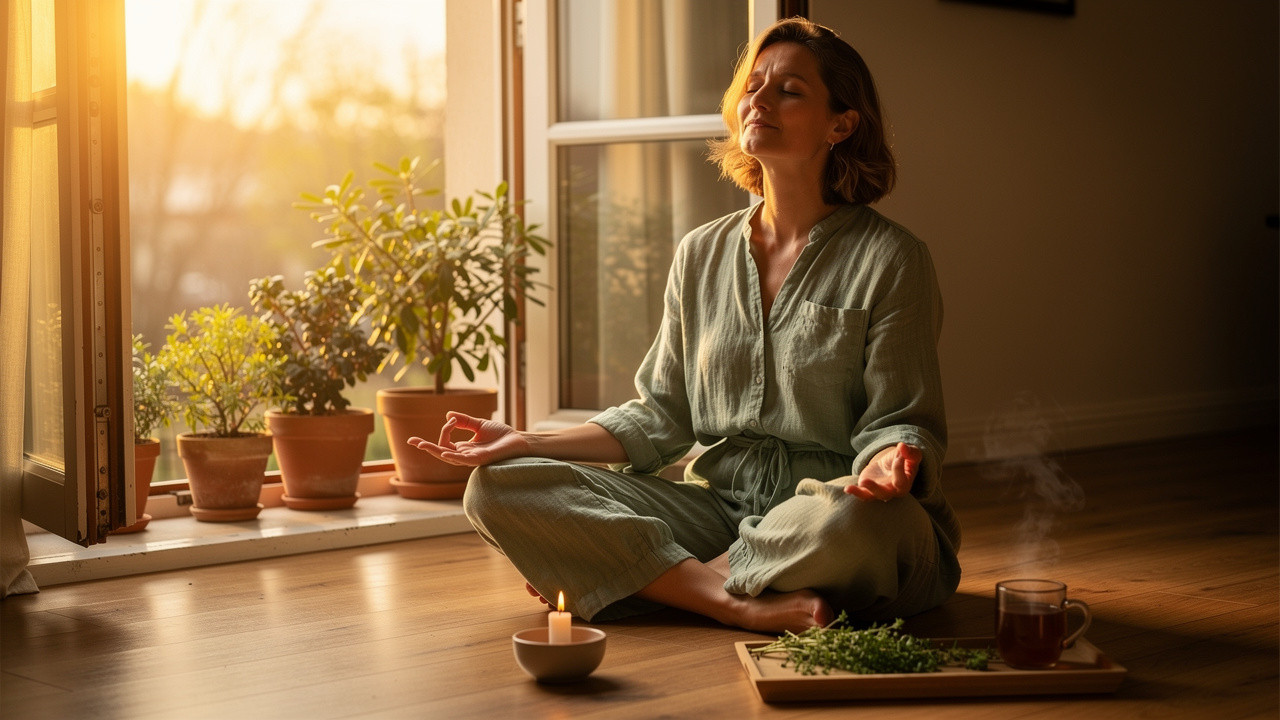
Once the first shock softens, many people feel a deep urge to “do something” beyond showing up for appointments. They want to support their bodies, calm their minds, and feel less like a passive passenger. This is where a holistic approach can bring real comfort and a sense of gentle control.
Holistic care means looking at the whole person — mind, body, and spirit — while still honoring the medical plan. Kris Carr, who has lived with a rare stage IV cancer for more than twenty years, is a well‑known example. She adopted a plant‑based way of eating, added daily wellness practices, and shared how these shifts helped her feel more alive and steady, even while living with disease. Her story reflects what many feel: when they care for their whole self, they cope better with treatment and side effects.
Ovarian cancer survivor Linda puts it simply: “We’ve been given one body, and we must take care of it.” That care can show up in many forms. Three paths show up again and again in survivor stories and in the work of Calming the Mind of Cancer:
Mindfulness and meditation. Simple breathing practices and guided meditations can lower stress hormones, ease anxiety, and help with sleep. Programs such as Om Meditation, offered through Calming the Mind of Cancer, give step‑by‑step guidance so you do not have to figure it out alone. Even five minutes of breathing with gentle instructions can give your nervous system a small pocket of rest.
“You can’t stop the waves, but you can learn to surf.” — Jon Kabat‑Zinn
Many people find that mindfulness does not erase fear, but it helps them face each day with a little more steadiness.
Nutritional support. During treatment, it can be hard to know what to eat, especially if appetite and taste have changed. Evidence‑based guidance on antioxidant‑rich foods, superfoods, and gentle meal ideas can support the body’s natural repair systems. Calming the Mind of Cancer offers clear, science‑informed information so you know which choices may help you feel more stable, without confusing or rigid rules.
Mind‑body connection. Thoughts and emotions can affect pain perception, energy levels, and even how treatment feels day to day. Practices that combine movement, breath, and attention — such as gentle stretching, mindful walking, or simple body scans — can help you feel more present inside your own skin instead of ruled by fear.
For many people, it helps to start with small, realistic steps, such as:
One short guided meditation before bed.
One balanced meal or snack that feels kind to your body.
A few minutes of quiet stretching or slow walking each day.
Calming the Mind of Cancer sits at the meeting point of ancient spiritual practices and modern nutritional science. It offers a calm, welcoming space where patients, survivors, and caregivers can explore meditation, stress‑reduction tools, and food guidance that fit real life. Holistic care does not replace medical treatment; it honors the whole person who is going through that treatment. These practices are designed to be small and doable, meeting you exactly where you are on your cancer path and adding steady, real‑world cancer inspiration.
Turning the Experience Into Purpose: Finding Meaning After Diagnosis
Many survivors say that cancer changed how they see time. Traffic jams, messy kitchens, and small conflicts start to feel less important. Instead, there is a sharper focus on relationships, values, and how they want to spend the days they have. This does not mean they are grateful for cancer. It means that facing something this serious can clear away a lot of noise.
Across many stories, a pattern appears. After treatment, some people feel called to share what they have learned, either in public or in private ways. Olympic gymnast Shannon Miller brought her “Gold Medal Mindset” — the focus and discipline she used in sports — to her ovarian cancer treatment. After she became cancer‑free, she used that same mindset to speak about early detection and women’s health, helping others listen to their bodies and get checked.
Melissa Berry, a fashion publicist diagnosed with breast cancer, found herself asking how to keep her sense of style during treatment. She searched for wigs and clothing that felt like “her” and did not see many resources. That gap led her to create Cancer Fashionista and host the Dear Cancer, I’m Beautiful podcast, where she helps others protect their confidence and identity while going through treatment.
Singer and songwriter Bianca Muñiz, a three‑time cancer survivor living with Li‑Fraumeni syndrome, turns her experiences into music and photography. When words are hard to find, art lets her share both pain and hope. Her work reaches others who may feel voiceless and offers them a form of quiet cancer inspiration grounded in honesty.
Purpose does not have to mean starting a podcast or standing on a stage. For many, it looks like being more present with children, checking in on friends who are struggling, deepening a spiritual practice, or speaking kindly to themselves for the first time. Survivor Wenora, who has faced several cancers, encourages others to “continue looking forward to the future, because none of us know what that will bring.” That steady, forward gaze is a kind of purpose all its own.
The “new you” that walks out of this odyssey is not smaller or broken; it is often more awake to what matters. Meaning grows from daily choices — how you love, how you rest, how you care for your body and your mind. Calming the Mind of Cancer exists to support that search for meaning with tools that respect both your inner life and your physical needs.
Conclusion

An odyssey is rarely a straight line. It twists, stalls, and sometimes feels like it circles back on itself. Cancer often feels this way too. There are scans that bring good news, days when side effects ease, and there are also setbacks that knock the wind out of you. Through it all, many people discover a quieter, deeper strength than they ever expected.
Wherever you are right now — newly diagnosed, deep in treatment, years into survivorship, or caring for someone you love — you are not walking alone. This article has explored the emotional waves from shock to acceptance, the healing power of a strong support village, holistic practices that care for the whole person, and the surprising ways that purpose and meaning can rise from hard places.
Calming the Mind of Cancer is here as a gentle companion on that path. With mindfulness programs like Om Meditation, evidence‑based nutritional guidance, and mind‑body resources, it offers practical support for both mental and physical well‑being. You can start small: one short guided meditation, one calmer meal, one honest talk with a trusted friend.
“Cancer is a word, not a sentence.” The story is still being written. One careful, compassionate step at a time, you can move toward a life that feels more grounded, more present, and filled with your own real version of cancer inspiration.
FAQs
Question 1 – How can I find strength and hope after a cancer diagnosis?
Strength after a diagnosis grows slowly, like a muscle that is used day after day. It often begins with accepting your feelings, instead of judging them, and then reaching out to people you trust. Support groups, caregivers, and spiritual guides can help you feel less alone. Calming the Mind of Cancer offers gentle mindfulness and nutrition tools that make it easier to take small, hopeful steps forward.
Question 2 – What is a holistic approach to cancer care, and does it really help?
A holistic approach to cancer care supports your mind, body, and spirit alongside medical treatment. It may include stress‑reduction practices, thoughtful nutrition, gentle movement, and time for reflection or prayer. Research continues to show links between lower stress, better mood, and improved quality of life during treatment. While it does not replace chemotherapy or surgery, it can make those treatments easier to bear and help you feel more steady.
Question 3 – How can caregivers support a loved one on the cancer path?
Caregivers are co‑survivors, and their role is both loving and demanding. Support often starts with listening without trying to fix every problem and being honest about what you can and cannot do. Helping with rides, food, and paperwork can remove daily stress from the person in treatment. It is also important for caregivers to rest, seek their own support, and use resources like Calming the Mind of Cancer to care for their mental health as well.
Question 4 – Can mindfulness and meditation really help cancer patients?
Mindfulness and meditation have been studied in many cancer centers and are widely used to reduce stress, anxiety, and sleep problems. By focusing on the breath or a guided practice, the nervous system can shift into a calmer state, even during hard phases of treatment. Programs such as Om Meditation from Calming the Mind of Cancer give easy, step‑by‑step guidance so no prior experience is needed. For many patients, these practices become a safe place to return to during every stage of the cancer path.