
Introduction
Many people picture courage during cancer as a big, dramatic moment: a shaved head with a grin, a brave speech, a perfect “fighter” attitude. When real life does not look like that, it is easy to worry there is not enough courage, or that feeling afraid somehow means failure.
A cancer diagnosis carries heavy weight. There is shock, medical words that sound unreal, long nights of worry, and a body that may not feel like home anymore. Thoughts can swing between hope and dread in the same hour. In the middle of all this, courage often does not feel like a roar. It feels like shaky hands signing a form, or tired feet walking into another scan.
This is where quiet strength lives. Courage during cancer shows up in small, steady choices: getting out of bed, agreeing to a treatment plan, saying “I am scared,” taking three slow breaths when panic rises. As one writer put it:
“Courage is not the absence of fear, but the decision that something else matters more.”
— often attributed to Ambrose Redmoon
In this article, you will see a softer, kinder way to look at courage. The focus is on the hidden strength inside patients, survivors, and caregivers, and how simple practices can support that strength. Calming the Mind of Cancer, a holistic support platform, honors this inner resilience with meditation, Om practices, and nutrition guidance created with people living with cancer in mind. By the end, you may notice a new way to recognize and honor your own quiet bravery, exactly as you are right now.
Key Takeaways
Courage during cancer is often quiet and private, not loud or dramatic. It lives in small choices, like going to an appointment or allowing tears to fall. Fear can be present, and the courage is in moving anyway.
Asking for help, sharing feelings, and choosing self-care are acts of bravery. These choices open space for connection and relief. They help protect energy for healing instead of pretending to be fine.
Small, steady actions such as gentle mindfulness and nourishing food support inner strength. Holistic tools from Calming the Mind of Cancer help patients and caregivers build this steady courage over time. These supports do not ask anyone to “perform” bravery; they meet people where they are.
What Courage During Cancer Actually Looks Like
Many messages about cancer repeat one theme: “fight like a warrior.” While this helps some people, it can leave others feeling ashamed or broken. Someone who is tired, sick, grieving, or afraid may wonder why they do not feel like a hero. Courage during cancer can start to sound like a role to play instead of a real human experience.
Real courage in this setting is often much quieter. It is the choice to keep going while fear, sadness, or anger sit in the same room. It is the strength to say, “This is hard,” without covering it with a smile. It is the steady decision to face each day, even when the future feels uncertain. Cancer is often an invisible illness, and much of this work happens inside, where no one else can see.
Quiet courage shows up in very ordinary moments, such as:
Walking into a difficult appointment, even when every part of you wants to stay home.
Telling a friend, “I am not okay,” instead of saying you are fine.
Allowing a body that hurts to rest without guilt.
Accepting a meal, a ride, or a hug instead of turning it down.
Sitting on the couch with a short breathing practice instead of pushing through a wave of panic alone.
This kind of courage during cancer also has a strong mind-body side. When someone chooses calm practices, gentle movement, or nourishing food, they are not giving in. They are protecting their system so it can face treatment, stress, and fear. That is strength, not passivity. You do not have to roar to be brave. Sometimes, courage whispers.
The Courage to Ask for Help and Allow Vulnerability

Many people grow up with the idea that strong people handle problems alone. When cancer enters the picture, that quiet rule can tighten its grip. Someone may think, “I should not bother anyone,” or, “If I ask for support, it means I am weak.” This belief can keep a person stuck in silence, even while they are drowning in fear or confusion.
In truth, reaching out is one of the clearest signs of courage during cancer. To say “I cannot carry this by myself” takes self-awareness and strength. It means facing what is real instead of pretending everything is fine. Vulnerability might feel risky, but it is also the doorway to comfort, information, and less loneliness.
Researcher Brené Brown describes this well:
“Vulnerability is not weakness; it is our greatest measure of courage.”
— Brené Brown
This bravery can look very simple from the outside:
Calling a trusted friend and saying, “I am struggling today. Can you listen?”
Joining an online or local support group and hearing, maybe for the first time, “Me too,” from people who understand.
Meeting with a registered dietitian or wellness practitioner to ask how food can support treatment and side effects.
Talking with a counselor who knows how to hold the storm of emotions that cancer can bring.
Calming the Mind of Cancer is built around this kind of gentle support. Its meditation and mindfulness programs, including Om meditation, give people safe tools to calm the mind without pressure to “stay positive” or pretend. Its evidence-based nutrition guidance helps patients and survivors make clear, caring choices for their bodies. All of this respects the truth that courage during cancer does not need a mask.
Leaning on support is not surrender; it is a wise use of limited energy. When others help carry appointments, meals, and emotions, more strength remains for healing. Often, the hardest and bravest step is simply the first one: sending a message, signing up for a group, or pressing play on a quiet guided practice.
Reclaiming Agency: The Quiet Power of Taking Small, Intentional Steps

Cancer can make life feel out of control. Schedules fill with tests and treatments. The body may react in ways that feel strange or scary. Plans for school, work, or family can break apart in a single phone call. It is easy to feel like life is something that just happens, rather than something that still holds choices.
Yet even in the middle of this, there is room for small decisions. While a diagnosis itself cannot be changed by willpower, a person still chooses how they respond in each moment. Choosing one small action is a form of courage during cancer because it says, “I still have a say in my own life.” These choices do not need to be dramatic to matter.
Some gentle starting points include:
Mindfulness and meditation. Even five minutes of soft breathing, a short Om meditation, or a simple body scan can ease racing thoughts and steady the nervous system. This does not erase fear, but it can turn a storm into waves that are easier to ride.
Nourishing the body. Picking antioxidant-rich foods, drinking enough water, or talking with a nutrition professional sends a simple message to the body: “I am on your side.” Even small changes, like adding one extra serving of vegetables each day, can feel like an act of care instead of helplessness.
Gentle movement. When approved by a medical team, light movement helps many people feel more connected to their bodies again. A short walk, a few stretches, or stepping outside for fresh air can be a reminder that the body still moves, breathes, and participates in life. These moments can bring a sense of normalcy in the middle of medical routines.
Setting boundaries. Choosing who hears personal details, how often visitors come, or when messages get answered protects emotional space. Saying “no” to some requests is not selfish; it is a form of self-respect that keeps energy for what truly matters.
Preparing for appointments. Writing questions in advance, bringing a notebook, or asking a friend to attend a visit can turn a confusing appointment into a clearer conversation. This simple preparation helps many people feel more grounded and heard.
A helpful thought can guide this: creating a plan, even a very small one, shifts a person from being only a patient to being an active partner in their own care.
Psychiatrist Viktor Frankl wrote:
“Everything can be taken from a person but one thing: the last of the human freedoms — to choose one’s attitude in any given set of circumstances.”
— Viktor E. Frankl
Calming the Mind of Cancer supports this sense of choice with an integrative approach that blends spiritual practices like meditation with modern nutritional science. Step by step, these small, steady actions build a deeper inner steadiness that does not need to shout to be real.
The Unseen Courage of Caregivers (and the Gift of Simply Being Present)
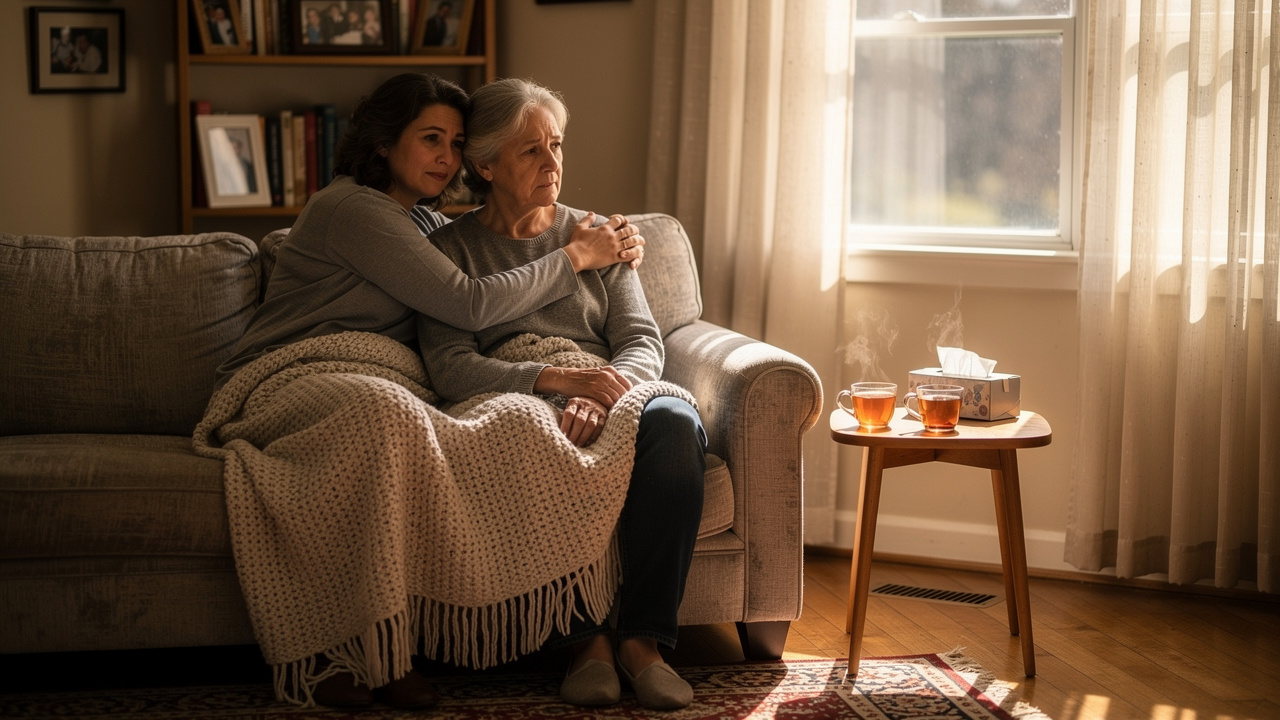
When people talk about cancer, attention often stays on the person in treatment. Beside them, though, stands another kind of courage that is easy to miss. Caregivers show up for rides, treatments, late-night worries, and endless tasks. They hold appointments, medications, and emotions in their minds, often while trying to manage work and family at the same time.
This steady effort can be exhausting. Caregivers may feel they have to be strong all the time, even when they are scared or worn out. Their courage may never be posted or praised, yet it is there in every early alarm, every waiting room, and every quiet “How are you really?” Their well-being matters just as much as the person they support. Rest, breaks, and emotional support for caregivers are not luxuries; they are survival tools.
Former U.S. First Lady Rosalynn Carter once said:
“There are only four kinds of people in the world: those who have been caregivers, those who are caregivers now, those who will be caregivers, and those who will need caregivers.”
— Rosalynn Carter
One of the greatest gifts a caregiver or friend can offer is simple presence. Many worry about saying the wrong thing and pull away. In truth, being there, listening, and not disappearing often matter more than the perfect phrase. A safe space where the person with cancer can speak freely, without having to manage someone else’s feelings, can ease a huge emotional load.
Helpful support often looks like this:
Supportive words that are short and honest. Simple phrases such as “I am here for you,” “You do not have to face this alone,” or “I have your back” can steady someone during a dark moment. These lines do not try to fix the problem; they remind the person that they are not abandoned.
Specific offers of help. Instead of saying “Let me know if you need anything,” it can be easier to say, “I will bring dinner on Tuesday,” or “I can drive you to your appointment this week.” Clear offers take pressure off the person with cancer, who may already feel tired of asking.
Language that makes space for honest feelings. Some types of comments can harm more than help. Remarks that compare cancers, suggest unproven cures, or dismiss fear with forced cheer can create distance. Phrases like “At least it is the good kind,” or “You will be fine, do not worry,” may shut down honest sharing. Avoiding these patterns keeps the door open for real connection.
Silence, or stepping back out of fear, can feel like abandonment to someone who is already under great strain. Even a short message that says, “Thinking of you,” or a quiet visit where most of the time is spent listening, can make a big difference. Sometimes, the most courageous act is to sit in the hard place with someone and stay.
Caregivers also need care. Practices from Calming the Mind of Cancer—such as guided meditations, Om practices, and gentle nutrition support—can give caregivers a few minutes of calm to refill their own emotional and physical reserves.
Conclusion

Courage during cancer rarely looks like a movie scene. More often, it looks like breathing through a scan, speaking up about pain, or letting tears fall in a safe lap. It is the soft choice to eat, rest, ask, or pray when everything feels too heavy. This kind of courage does not erase fear; it walks beside it.
Every patient, survivor, and caregiver carries their own version of this quiet strength. No act of self-care, no honest word, and no small step toward support is too minor to count as brave. If there is interest in gentle guidance along this path, Calming the Mind of Cancer offers meditation programs, mindfulness tools, and nutrition support designed with deep care for the whole person. The courage is already there; these tools simply help it feel steadier and more seen.
FAQs
Is It Normal To Not Feel Brave During Cancer?
Yes, it is very common not to feel brave at all. Most people report feeling afraid, tired, angry, or numb, rather than heroic. Feeling this way does not mean a lack of courage during cancer. When someone keeps showing up for their life, even with shaking hands and a worried mind, that is real courage in action.
How Can Mindfulness Help With Courage During Cancer?
Mindfulness and meditation help by bringing attention back to the present moment instead of getting lost in fear about the future. A steady, present mind gives the body a better chance to rest and recover between treatments. Practices such as gentle breathing or Om meditation can ease stress and give a sense of inner space. Calming the Mind of Cancer offers guided practices created specifically for people living with cancer and those who support them.
How Can Caregivers Support A Loved One’s Courage Without Saying The Wrong Thing?
Presence matters more than perfect words. Caregivers can listen without turning the talk toward their own fears, offer specific help with rides or meals, and use simple phrases like “I am here” or “You are not alone.” It helps to avoid comments that compare cancers, rush someone to feel hopeful, or question their choices. Caregivers also need support for their own stress, and tools from Calming the Mind of Cancer can help them find moments of calm and strength as they care for someone they love.