
Introduction
Understanding blood sugar and insulin can feel overwhelming, especially when cancer is already part of the picture. There is a lot of noise online, and simple phrases like “sugar feeds cancer” often create more fear than clarity. A gentler and more useful approach is to step back and look at how the body actually works, and why metabolic health has become such an important area of research in cancer prevention and supportive care.
Blood sugar and insulin are part of the body’s normal everyday system for creating and using energy. The concern is not one single meal or one occasional treat, but what happens when blood sugar regulation becomes disrupted over time. Research shows that patterns linked with insulin resistance, higher blood sugar, excess body fat, and chronic inflammation may influence cancer risk and outcomes in some people. That does not mean blame or panic. It means this is one more area where calm, informed choices around food, movement, and lifestyle may help support a healthier internal environment.
“Good information should lower anxiety, not raise it.” — guiding principle at Calming the Mind of Cancer
Calming the Mind of Cancer takes a different path. Our focus is calm, compassionate education that brings together modern nutritional science and ancient practices like meditation. In this gentle functional medicine overview, we will look at how blood sugar and insulin work, what research really suggests about their relationship to cancer, and which food, movement, and mindfulness habits can support a healthier internal environment. For a deeper dive into food and prevention, you may also want to explore The Role of Nutrition in Cancer Prevention as a companion piece.
By the end, the goal is not fear, but clarity. Understanding the blood sugar–insulin–cancer connection can offer small, steady ways to support the body and mind during cancer care and recovery.
Key Takeaways
-
Insulin is a normal hormone that every body needs. It helps move glucose from the blood into cells. Problems arise when insulin and blood sugar stay high over long periods of time. Functional medicine conversations focus on this long-term pattern rather than blaming a single food.
-
Two main scientific ideas help explain the link between blood sugar, insulin, and cancer risk. One focuses on insulin and a related hormone as growth signals for cells. The other looks at how high blood sugar can act as extra fuel for tumor cells that already exist.
-
Extra body fat, especially around the waist, acts like an active organ and can send out inflammatory signals. This low-level inflammation, combined with high insulin and blood sugar, can raise the chance of several cancers. Understanding this mix gives more places to gently shift habits.
-
Simple nutrition patterns can support metabolic health, such as eating more fiber, balancing protein at meals, choosing whole carbohydrates, and cutting back on sugary drinks and ultra-processed foods. These changes work best when they feel kind and realistic, not strict or punishing.
-
Calming the Mind of Cancer weaves together mindful practices and nutrition guidance. This whole-person support can make it easier to care for both mental health and metabolic health at the same time.
How Blood Sugar and Insulin Actually Work In Plain Language
To understand the blood sugar–insulin–cancer connection, it helps to start with the basics. Glucose is the body’s main fuel. It comes mostly from carbohydrates in foods such as fruit, grains, beans, and sweets. During digestion, these foods break down into glucose, which then enters the bloodstream.
Insulin is a hormone made by the pancreas. Many people find it helpful to picture insulin as a key. When blood sugar rises after a meal, the pancreas releases insulin. That insulin “key” tells cells in muscles, fat, and the liver to open their “doors” so glucose can move inside and be used for energy. When cells have enough fuel, insulin also helps store extra glucose as glycogen in the liver and muscles or as fat to be used later.
In a healthy state, blood sugar and insulin rise and fall gently throughout the day:
-
After a meal, they go up.
-
Between meals and overnight, they drop.
This natural rhythm keeps energy steady and supports many other hormone systems. Glycogen storage in the liver and muscles is a normal, helpful part of this rhythm and gives the body a backup fuel source.
Trouble starts when cells stop listening as well to insulin’s signal, a problem called insulin resistance. The pancreas then has to send out more insulin to move the same amount of glucose into cells. Over time, both insulin and blood sugar can stay higher than they should. This pattern, called hyperinsulinemia and hyperglycemia, is linked with type 2 diabetes and higher cancer risk.
Several common patterns in modern life can push the body toward insulin resistance:
-
Carrying extra weight around the waist stresses the body’s ability to respond to insulin. Fat stored deep in the belly is more active and releases substances that interfere with insulin’s signal. This is not a character flaw. It is simply how the body reacts under strain.
-
Eating a lot of refined sugar, white flour, and foods fried in unhealthy fats can cause sharp spikes in blood sugar. When this happens day after day, the pancreas has to keep sending out more insulin, which can tire the system over time. Shifting toward more whole, fiber-rich foods spreads out this demand.
-
Sitting most of the day means muscles are not using much glucose. Active muscle is one of the main places where glucose is burned for fuel. Even small changes like standing breaks, short walks, or gentle stretching help cells respond better to insulin and support steadier blood sugar.
A gentle way to explore these shifts within an anti-cancer food pattern is through resources like Plant-Based Diet and Cancer – Gentle Nutrition Guide, which aligns closely with the approach at Calming the Mind of Cancer.
What The Research Says – Blood Sugar, Insulin, And Cancer Risk
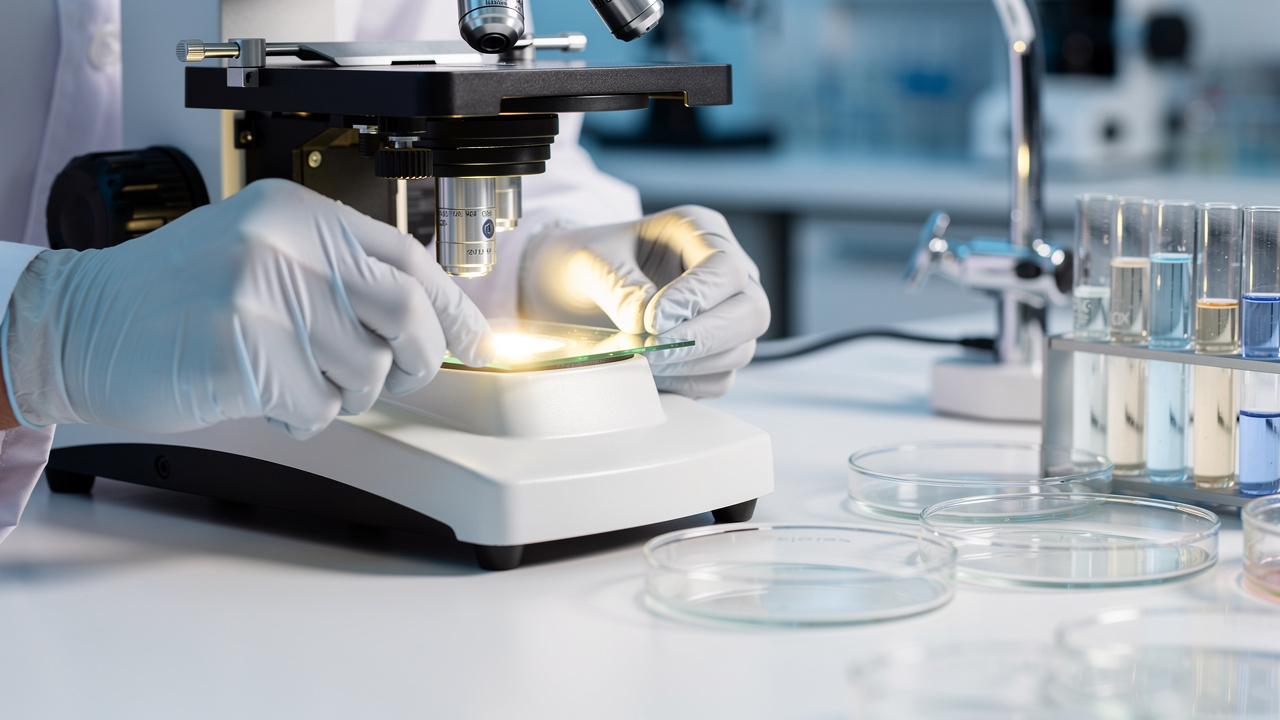
Over the past several decades, studies have shown that people with type 2 diabetes are more likely to develop certain cancers and to die from them. Even people who do not yet have diabetes but live with insulin resistance or chronically high blood sugar face higher risk. This has led many clinicians and researchers to look more closely at metabolic health when they talk about cancer prevention and support.
Two main scientific ideas help explain this link:
-
Insulin supply hypothesis: insulin and related growth signals.
-
Glucose supply hypothesis: how high blood sugar may feed tumors.
The first is often called the insulin supply hypothesis. Insulin does more than move sugar. It is also a growth signal. In scientific terms, it is mitogenic, meaning it encourages cells to grow and divide. That is useful when the body is healing. Yet when insulin levels stay high all the time, this constant growth signal may become a problem.
High insulin can also reduce apoptosis, which is the body’s natural method for letting damaged or abnormal cells self-destruct. When this natural cleanup is slowed down, cells with mistakes in their DNA may hang around longer than they should. To add another layer, insulin interacts with a hormone called insulin-like growth factor 1 (IGF-1). Many cancer cells carry extra receptors for both insulin and IGF-1, which means they are very sensitive to these growth signals.
Functional medicine voices such as Mark Hyman and David Perlmutter often highlight this insulin environment as a key piece of the puzzle. From that view, the main concern in the blood sugar–insulin–cancer link is not one spoonful of sugar but a long-term pattern where insulin is high, blood sugar is unstable, and cells swim in constant growth signals.
The second major idea is known as the glucose supply hypothesis. Cancer cells tend to burn glucose at a very high rate, a pattern sometimes called the Warburg effect. They can pull in and use sugar faster than many normal cells. If blood sugar stays elevated day after day, tumors may have easier access to this extra fuel.
Researchers have seen that cancer risk often rises in step with long-term blood sugar measures such as Hemoglobin A1c (HbA1c). The higher the average A1c, the higher the risk in many studies. That seems to support a close tie between sugar and cancer, but the story is more layered than it first appears.
Large clinical trials that tightly lowered blood sugar with medication did not consistently reduce cancer rates. This suggests that high blood sugar may be a sign of deeper metabolic strain, not the single cause. In other words, focusing only on lowering numbers without helping the wider insulin and inflammatory environment may not be enough.
Many integrative oncologists and metabolic researchers now see these two ideas as partners rather than rivals. High insulin and high glucose can work together with chronic inflammation to shape an internal setting where cancer is more likely to grow. Approaches such as those described in Press-Pulse Therapy Cancer – Metabolic Approach Explained explore how shifting this terrain through food, movement, and other therapies might support standard cancer treatment.
For someone living with cancer or recovering after treatment, the takeaway is not to fear every gram of carbohydrate. Instead, it is to care for the whole metabolic picture in a calm, steady way, while working closely with the oncology team.
The Role Of Inflammation, Obesity, And Hormones
Metabolic health is not only about blood sugar and insulin. Body fat, especially deep belly fat around the organs, adds another important piece. This visceral fat is not just stored energy. It acts like an organ that sends out chemical signals, including inflammatory proteins called cytokines.
When insulin resistance is present, the body tends to store more fat and has a harder time letting go of it. This can create a repeating pattern:
-
Insulin resistance makes weight gain more likely.
-
Extra visceral fat then sends out more inflammatory signals.
-
Inflammation, in turn, makes insulin resistance worse.
Over time, this cycle can keep both insulin and inflammation higher than they should be.
Chronic, low-level inflammation can support cancer in several ways. It can:
-
Damage DNA, which raises the chance that cells pick up harmful changes.
-
Encourage the growth of new blood vessels that feed tumors, a process called angiogenesis.
-
Dull parts of the immune system that normally help find and remove abnormal cells before they grow into something larger.
Hormones are part of this picture too. Fat tissue makes estrogen. After menopause, when the ovaries slow down, body fat often becomes the main source of estrogen. Higher levels of estrogen for many years are linked to a higher risk of breast, endometrial, and uterine cancers. When high estrogen is combined with insulin resistance and inflammation, the blood sugar–insulin–cancer link can become stronger.
Research has found especially strong ties between metabolic strain and certain cancers. These include breast cancer in postmenopausal women, colorectal cancer, and prostate cancer. There is also growing evidence for links with endometrial, pancreatic, liver, kidney, and some gallbladder cancers. Again, this does not mean metabolic health is the only factor, but it is an important piece that people can influence with support.
A simple way to see how this fits together is in a brief summary table.
| Cancer Type | Metabolic Factor | Why The Link Exists |
|---|---|---|
| Postmenopausal breast | Visceral fat, estrogen, high insulin | Fat tissue raises estrogen and inflammation and may feed hormone-sensitive tumors. |
| Colorectal | High insulin, high IGF-1, inflammation | Growth signals and inflammatory changes may help polyps grow into cancer. |
| Prostate | High insulin and IGF-1 | These hormones support cell growth in the prostate and may speed tumor growth. |
Understanding these links is not about blame. It is about opening more gentle doors for change. Resources such as Holistic Cancer Care 2025 – Diet and Mindful Living reflect this whole-body view, which is also central to Calming the Mind of Cancer.
Gentle Nutrition Strategies To Support Metabolic Health
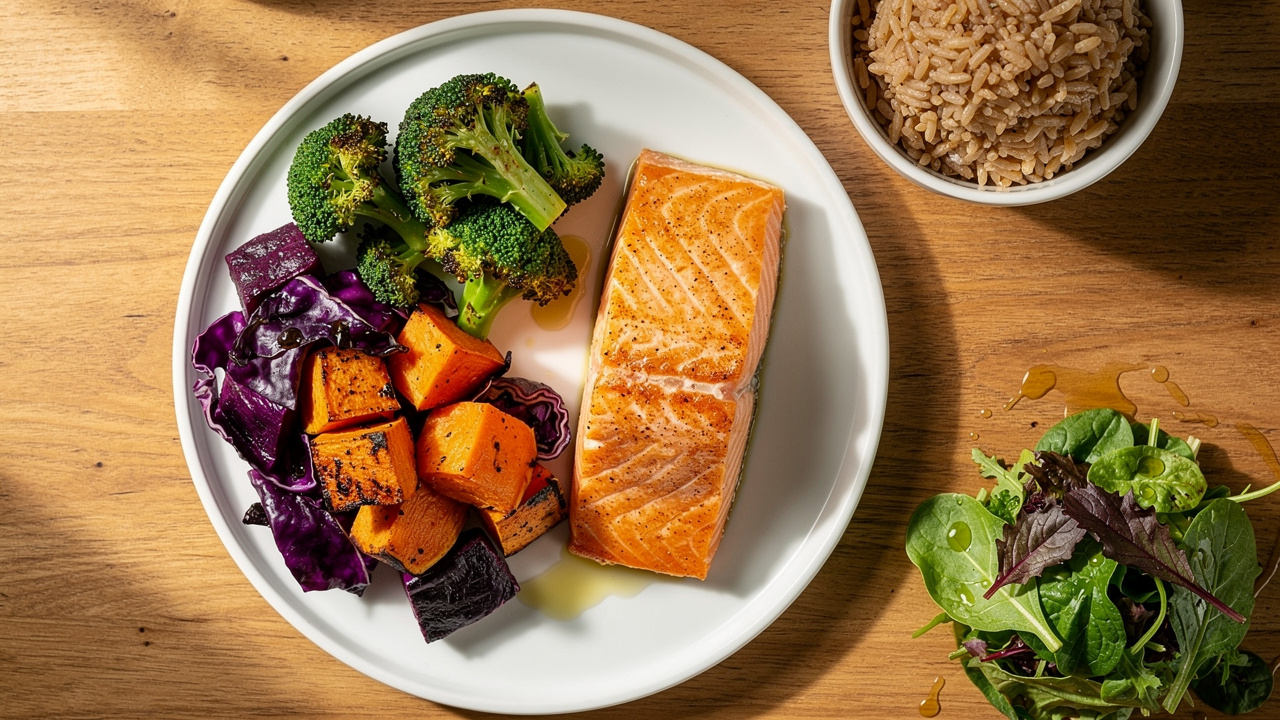
When people first hear about the blood sugar–insulin–cancer connection, many feel pressure to cut out entire food groups overnight. This often leads to stress and rebound cravings. A kinder and more effective path is to focus on overall patterns instead of perfection or strict rules.
One steady anchor is fiber. Fiber-rich foods such as vegetables, fruits with skin, lentils, beans, oats, quinoa, nuts, and seeds help slow the rise of blood sugar after meals. They form a gentle “mesh” in the gut that delays how quickly glucose enters the bloodstream. Fiber also feeds beneficial gut bacteria, which can calm inflammation and support immune health, both important in cancer care.
Protein is another key part of the picture. Including a source of protein at each meal, such as beans, lentils, tofu, eggs, fish, poultry, or Greek yogurt, slows digestion. This steadier digestion can soften blood sugar spikes and lower the demand on insulin. Adequate protein also supports muscle mass, which is one of the main places where the body uses glucose. For cancer patients, protecting muscle can be especially important during treatment and recovery.
Shifting away from refined sugar and ultra-processed foods is helpful as well. Drinks like soda and sweet teas, pastries, white bread, and many packaged snack foods enter the bloodstream quickly. This can cause sharp jumps in blood sugar and force insulin to work very hard. Rather than thinking in terms of strict “never” rules, many people do better by crowding the plate with nourishing foods so there is naturally less room for sugary items.
Choosing foods with anti-inflammatory properties can further support this internal environment. For example:
-
Fatty fish such as salmon or sardines provide omega-3 fats.
-
Colorful berries, leafy greens, and deeply colored vegetables offer antioxidants that help neutralize harmful free radicals.
-
Extra-virgin olive oil, turmeric, ginger, and green tea also have gentle anti-inflammatory effects.
Calming the Mind of Cancer often highlights these ideas through its teaching on antioxidant-rich foods and superfoods for healing.
“Eat food. Not too much. Mostly plants.” — Michael Pollan
For many, simple meal composition guidelines are easier to remember than detailed plans:
-
Fill half the plate with non-starchy vegetables. This gives a large portion of fiber, water, and protective plant compounds. These foods add volume and color without causing large blood sugar spikes. Over time, this pattern supports a calmer insulin response and may help with comfortable weight management.
-
Include a palm-sized portion of protein at each meal. When people feel satisfied, they are less likely to reach for quick, sugary snacks between meals. This supports more even blood sugar and can help those dealing with treatment-related fatigue.
-
Choose complex carbohydrates such as brown rice, quinoa, oats, beans, and root vegetables instead of white bread, white rice, and sweets. This stretches out energy release and provides extra fiber and minerals that support overall health. For many cancer patients, this swap can feel like a gentle adjustment rather than a harsh rule.
-
Add healthy fats like avocado, nuts, seeds, and olive oil. These help meals feel more satisfying and slow digestion. This slower digestion helps moderate blood sugar swings. These fats also support hormone balance and brain health, which matter greatly when coping with cancer.
-
Limit sugary drinks and favor water, herbal teas, or diluted vegetable juices. Liquid sugar enters the bloodstream very quickly. Replacing even one sweet drink per day with a non-sugary choice can lower the overall insulin load.
For people in active treatment, steroids and some chemotherapy drugs can push blood sugar higher than usual. Working with the oncology team, and when possible an oncology dietitian or integrative nutritionist, can help adapt these gentle principles to each stage of care. The approach described in Plant-Based Diet and Cancer – Gentle Nutrition Guide aligns closely with how Calming the Mind of Cancer supports food choices without adding stress.
Movement, Stress, And The Mind Body Connection

Food is only one piece of metabolic health. Movement and stress also play important roles in the blood sugar–insulin–cancer picture. The hopeful news is that even small, doable steps can make a real difference.
Physical activity helps the body use insulin more effectively. When muscles contract during walking, stretching, or strength work, they pull glucose out of the blood even with less insulin. Guidelines often suggest about 150 minutes each week of moderate movement, such as brisk walking, swimming, or gentle cycling, along with strength exercises twice per week. For someone going through cancer treatment, this might feel out of reach, and that is okay. Even short walks down the hall, light chair exercises, or a few minutes of gentle yoga can support both blood sugar control and mood.
Simple, realistic ideas include:
-
Walking for 5–10 minutes after meals, if energy allows.
-
Using light resistance bands or body-weight exercises a few times per week.
-
Trying gentle yoga, tai chi, or qigong classes designed for people with cancer.
-
Breaking movement into small “snacks” across the day instead of one long session.
Stress adds another layer. When the brain senses danger, the body releases stress hormones such as cortisol and adrenaline. These hormones signal the liver to release stored glucose into the blood so the body can run or fight. This response is helpful for short bursts of true danger. When stress becomes chronic, as it often does with a cancer diagnosis, blood sugar can stay higher than it needs to be even without extra food.
Emotional strain can also affect sleep, appetite, and motivation to move, which in turn shape metabolic health. This is why mind and body care cannot really be separated.
“Managing the mind is not separate from managing the body—they are the same conversation.”
Mindfulness, meditation, and breathing practices can lower stress hormones and support a sense of calm. Studies suggest regular practice can improve sleep, reduce anxiety, and even lower blood pressure. These shifts can help stabilize blood sugar patterns over time. Calming the Mind of Cancer is built around this blend of inner and outer care, weaving guided meditations with practical nutrition teaching to help people make gentle, lasting changes.
“Even a few slow breaths can change how the next moment feels.” — common teaching in mindfulness practice
When movement, food, and stress care work together, the internal environment becomes less friendly to cancer growth and more supportive of healing.
Conclusion

Understanding the links among blood sugar, insulin, and cancer does not need to create alarm. Instead, it can open a softer, more informed way to care for the body during and after treatment. Rather than focusing on a single food or a single lab number, this view looks at patterns. It asks how insulin, blood sugar, body fat, inflammation, and stress interact over time.
No one habit will decide the outcome. Yet many small choices, repeated with kindness, can support a healthier internal setting. Fiber-rich, plant-forward meals, steady protein, fewer sugary drinks, gentle movement, and regular moments of calm all work together. These steps can stand beside medical treatment, never in place of it, to support the body’s own wisdom.
If this approach speaks to you, Calming the Mind of Cancer offers resources that bring these ideas to life, from teachings on The Role of Nutrition in Cancer Prevention to broader guides such as Holistic Cancer Care 2025 – Diet and Mindful Living. You do not have to sort out the blood sugar–insulin–cancer questions alone. With calm guidance and small, steady steps, it is possible to support both mind and body in a way that feels caring and grounded.
FAQs
Does Sugar Directly Cause Cancer?
Sugar itself does not directly cause cancer. All cells, including healthy ones, use glucose for energy. The concern is when blood sugar and insulin stay high for many years, which can shape an internal setting that supports cancer growth. What matters far more than any single food is the overall pattern of eating and how it affects long-term metabolic health.
Which Cancers Are Most Strongly Linked To Insulin Resistance?
Research points to several cancers that are more common in people with insulin resistance and type 2 diabetes, and machine learning-predicted insulin resistance has now been identified as a measurable risk factor for 12 distinct cancer types. These include breast cancer in postmenopausal women, colorectal cancer, and prostate cancer. There is also growing evidence for links with endometrial, pancreatic, liver, and kidney cancers. Metabolic health is only one factor among many, but it is a meaningful one people can work on with support.
What Foods Help Stabilize Blood Sugar For Cancer Patients?
Fiber-rich foods such as vegetables, lentils, beans, and whole grains help slow the rise of blood sugar after meals. Including a steady source of protein and healthy fats at each meal also supports more even energy and less strain on insulin. Many people do well by cutting back on sugary drinks and highly processed snacks while adding more whole, plant-based foods. For personal guidance during treatment, it is wise to work with an oncology dietitian or integrative nutritionist and explore resources from Calming the Mind of Cancer, including those on gentle nutrition support.
Can Stress Affect Blood Sugar Levels In Cancer Patients?
Yes, stress can raise blood sugar. When someone feels anxious or under pressure, the body releases hormones that tell the liver to send extra glucose into the bloodstream. The emotional weight of a cancer diagnosis can keep this stress response turned on, which may disturb both sleep and blood sugar patterns. Mindfulness, meditation, and breathing practices, such as those shared through Calming the Mind of Cancer, can help calm the nervous system and support steadier metabolic health over time.