Introduction
Natural compounds found in everyday foods have become an important area of cancer research, not because they offer simple answers, but because they may influence some of the biological pathways involved in health and disease. For people trying to make sense of nutrition during or after cancer, this can be a reassuring place to begin. It shifts the conversation away from hype and toward a more grounded question: how might certain foods gently support the body’s own protective systems?
Scientists now understand that food does more than provide calories and nutrients. It also delivers bioactive compounds that can affect inflammation, oxidative stress, detoxification, immune activity, and cell signaling. In the setting of cancer, those processes matter because they help shape the internal environment in which cells function. Looking at food through this lens does not turn natural compounds into cures, but it does help explain why researchers are studying substances such as sulforaphane, polyphenols, green tea catechins, and curcumin with such interest.
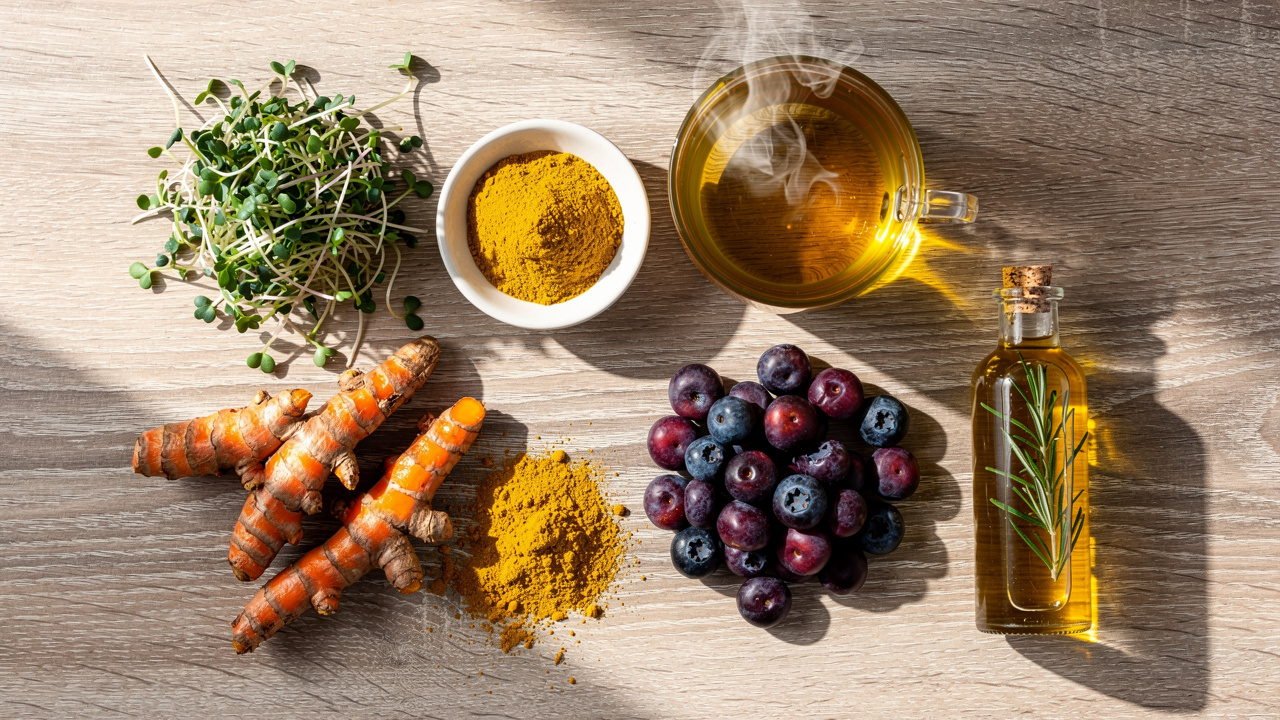
This article focuses on some of the best studied natural compounds in cancer evidence work. These include sulforaphane from broccoli sprouts and other cruciferous vegetables, polyphenols from berries and olive oil, catechins such as EGCG from green tea, and curcumin from turmeric. Researchers study how these plant compounds may support cancer care by nudging cell pathways in more helpful directions.
For many people affected by cancer, there is a deep wish to do something active, without stepping outside safe medical care. The aim here is to honor that wish while staying honest about what science shows and what it does not. By the end, the hope is that this look at food as information in cancer care leaves space for grounded hope, calm reflection, and a few gentle, realistic next steps. For a wider picture of supportive foods, the Calming the Mind of Cancer guide Foods That Fight Cancer Cells A Practical Guide goes into more detail.
Key Takeaways
-
Food carries bioactive compounds that act as signals for inflammation, detoxification, oxidative stress, and immune activity, which links directly to natural compounds cancer evidence.
-
Compounds such as sulforaphane, polyphenols, EGCG, and curcumin show meaningful early findings in lab and clinical research, especially for nutrition and cell signaling in cancer biology.
-
Current science sees these plant compounds as supportive tools alongside treatment, not as stand‑alone cures or replacements for chemotherapy, surgery, radiation, or targeted drugs.
-
Simple, steady shifts in daily eating patterns can tilt the internal environment in a direction that may help the body’s own protective systems over time.
What Does “Food as Information” Actually Mean?
The phrase food as information sounds abstract at first, yet the idea is simple. Every meal delivers not only calories, protein, fat, and carbohydrates, but also thousands of tiny plant compounds. These molecules bump into receptors, enzymes, and DNA switches inside cells. In that way, food acts like a stream of gentle messages that the body reads again and again.
If the body is seen as a communication network, these compounds are like short notes passed between cells. Some messages calm inflammation, some support detox pathways in the liver, and some help immune cells notice when something looks abnormal. This is why researchers who study nutrition and cell signaling in cancer care pay close attention to natural compounds cancer evidence in everyday foods.
A key idea here is epigenetics. Epigenetics looks at how lifestyle inputs such as food, movement, sleep, and stress affect how genes are turned on or off without changing the gene itself. The work of Calming the Mind of Cancer rests on this science, showing how steady, kind habits can shift the inner environment in which cells live.
This perspective echoes a very old observation about the link between food and health:
“Let food be thy medicine and medicine be thy food.” — Hippocrates
Several pathways are especially relevant when people think about plant compounds cancer support in the context of cancer.
-
Inflammation regulation matters because long‑lasting, low‑grade inflammation can support tumor growth, while calmer signaling can be more friendly to healthy tissue.
-
Oxidative stress is about the constant wear and tear from reactive molecules; antioxidant compounds in food can sometimes buffer that stress and help maintain cell integrity over time.
-
Detoxification pathways in the liver and other tissues process and clear both internal waste and external chemicals, and some natural compounds nudge these enzyme systems to work more efficiently.
-
Immune signaling helps the body’s own defense system recognize damaged or abnormal cells, and food compounds may help guide that recognition and response.
No single food or spice “fixes” cancer. Patterns matter more than any one ingredient. As Calming the Mind of Cancer often shares, the steady pattern of plant‑forward, thoughtfully chosen meals can create a background that is a little more supportive of healing, especially when combined with mindful practices and standard medical care. The article The Role of Nutrition in Cancer Prevention on the platform offers a wider overview of this pattern‑based approach.
The Natural Compounds With the Strongest Research Support
When people hear the phrase natural compounds cancer evidence, some imagine fringe ideas. In reality, about half of all approved drugs, including many chemotherapy agents, come directly from natural compounds or are modeled on them. That history sets the stage for looking at food‑based molecules with careful interest rather than fear or exaggeration.
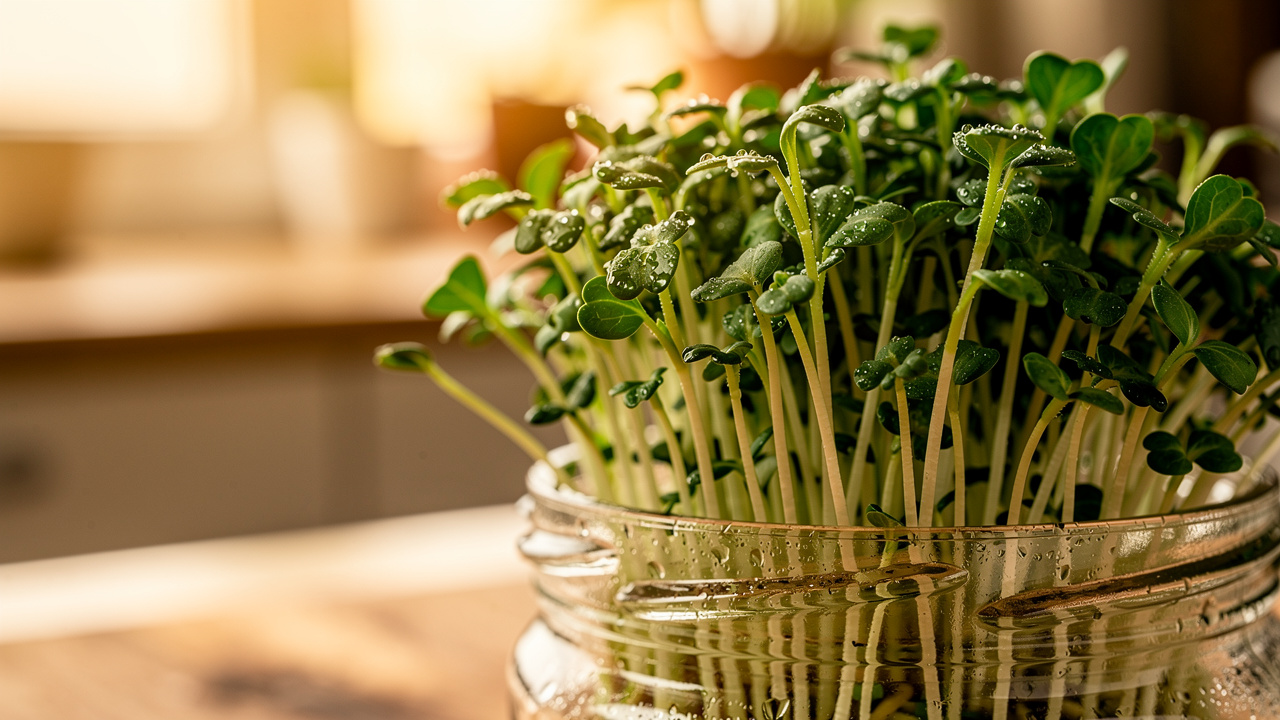
Sulforaphane is one of the best known examples. It forms when cruciferous vegetables such as broccoli, Brussels sprouts, kale, and especially broccoli sprouts are chopped or chewed. In lab studies, sulforaphane activates detoxification enzymes through the Nrf2 pathway, helps cells repair damage, and can trigger apoptosis, which is the programmed death of abnormal cells. Much sulforaphane cancer research has focused on colorectal cancer models, with some early human studies suggesting effects on detox markers and inflammation. Overall, the evidence is moderate and promising, yet still in progress. Broccoli sprouts contain far higher sulforaphane levels than mature broccoli, and light steaming or eating them raw helps protect the compound.
Polyphenols form a large family of plant compounds found in berries, red grapes, extra‑virgin olive oil, dark chocolate, herbs, and many other foods. Polyphenols cancer research often highlights resveratrol from red grapes and berries, along with quercetin from apples, onions, and tea. In lab and animal studies, these compounds reduce oxidative stress, calm the NF‑κB inflammatory pathway, and influence how cancer cells move through the cell cycle. Human data are more mixed, in part because diets vary so much between people. Still, consistent findings suggest that polyphenol‑rich eating patterns fit well with broader plant compounds cancer support.
Green tea is another focus area. Its main catechin, EGCG, has been tested in breast, lung, prostate, and colorectal cancer models. Green tea cancer research shows that EGCG can act as an antioxidant, promote apoptosis, and slow cell division in certain cancer cell lines. Population studies in some regions link regular green tea drinking with lower rates of certain cancers, although many lifestyle factors are involved. Overall, evidence here is moderate; EGCG looks especially interesting in combination with other treatments, which is an ongoing area of natural compounds cancer evidence work.
Curcumin, the bright yellow polyphenol from turmeric, appears in hundreds of scientific papers. Curcumin cancer evidence shows effects on NF‑κB and other inflammatory switches, on apoptosis, and on blood vessel formation around tumors. The honest challenge is absorption. Curcumin on its own is poorly absorbed, but pairing it with black pepper, which contains piperine, and with a source of fat improves uptake. Clinical trials are testing higher‑dose curcumin preparations along with standard care for various cancers, yet it is still viewed as a supportive tool rather than a stand‑alone therapy.
The table below offers a simple side‑by‑side view of some leading compounds discussed in natural compounds cancer evidence reviews.
| Compound | Main Food Source | Key Actions | Evidence Level |
|---|---|---|---|
| Sulforaphane | Broccoli sprouts, broccoli, kale | Activates detox enzymes, supports apoptosis | Moderate to promising |
| Polyphenols | Berries, olive oil, red grapes | Antioxidant and anti‑inflammatory signaling | Promising preclinical |
| EGCG | Green tea, matcha | Promotes apoptosis, slows cell proliferation | Moderate evidence |
| Curcumin | Turmeric, curry dishes | Calms NF‑κB, supports apoptosis, anti‑inflammatory effects | Strong preclinical, trials ongoing |
For many readers searching natural compounds cancer evidence, this mix of hopeful yet unfinished science can feel both exciting and confusing. Calming the Mind of Cancer focuses on turning this complex data into calm, practical guidance, such as in Cancer Fighting Smoothies for Comfort and Healing, which uses these foods in soothing, real‑world recipes.
How to Bring These Compounds Into Daily Life — Gently and Realistically
Hearing about sulforaphane, polyphenols, EGCG, and curcumin can make it tempting to try to change everything at once. That pressure can backfire, especially during cancer treatment or recovery. A kinder approach treats natural compounds cancer evidence as an invitation to small, steady shifts rather than a strict set of rules.
One simple step is to add sulforaphane‑rich foods, instead of focusing only on what to remove. Broccoli sprouts tuck easily into salads, wraps, and smoothies. Chopped broccoli, cauliflower, and Brussels sprouts can appear a few times a week, lightly steamed or roasted after a short rest on the cutting board to let the sulforaphane‑forming enzymes start their work.
Green tea can be another gentle addition. Many green tea cancer research studies look at two or three cups per day, although needs differ from person to person. Warm green tea, or a small cup of matcha made with water or plant milk, can replace one sugary drink or sit beside an afternoon snack. Those who are sensitive to caffeine may prefer earlier timing in the day or a lower‑caffeine blend.
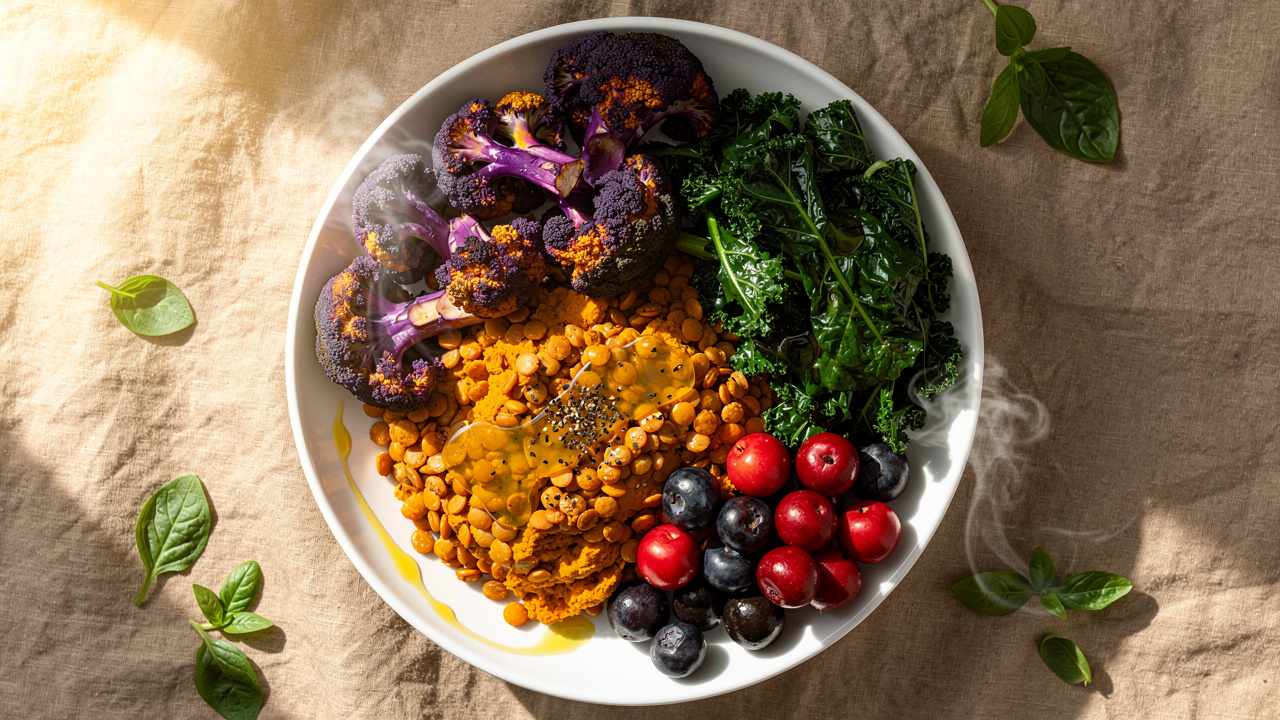
Curcumin finds its way into meals through turmeric. Cooking with turmeric in soups, lentil dishes, or simple scrambled eggs, along with a pinch of black pepper and a source of fat such as olive oil, helps the body take in more of the active compound. Polyphenols are easy to gather with a habit of eating colorful produce and using olive oil most days. A bowl of mixed berries a few times a week, a drizzle of extra‑virgin olive oil on vegetables, and the use of herbs can support plant compounds cancer support without strain.
-
A helpful mindset is to aim for color and variety on the plate, since different hues often signal different polyphenols and other compounds that act on a range of pathways. When meals look like a small rainbow, it is more likely that many aspects of natural compounds cancer evidence are covered without counting grams or milligrams.
-
It is important to remember that supplements are concentrated and can affect how treatments work, so any plan involving pills or extracts needs a conversation with the oncology team or an integrative clinician. This shared decision making keeps food as information cancer strategies aligned with chemotherapy, immunotherapy, or radiation plans.
-
Gentle programs from Calming the Mind of Cancer, such as Nutrition and Cancer Support, Antioxidant‑Rich Foods and Healing, and Superfoods and Cancer Prevention, provide step‑by‑step ideas that fit real kitchens and real fatigue, while Beyond Treatment Holistic Nutrition for Cancer Recovery offers support for the months and years after active treatment.
“Small, repeatable habits matter far more than perfect meals eaten once in a while.” — Oncology dietitian
In this way, natural compounds cancer evidence does not become a strict diet, but a quiet, ongoing conversation between plate and cells, guided by both science and self‑kindness.
Conclusion

The idea that food carries information may change how a meal is seen, especially for someone living with or after cancer. Instead of searching for a single miracle ingredient, natural compounds cancer evidence points toward a pattern of plant‑rich, thoughtfully chosen foods that send helpful signals about inflammation, detoxification, oxidation, and immune balance.
Research on sulforaphane, polyphenols, EGCG, and curcumin is still growing. While much of it comes from lab and early clinical work, the picture that emerges supports the idea that daily choices can gently shape the inner environment in which cells exist. That is not a cure, and it does not replace recommended medical treatment, yet it can be a meaningful act of care.
Calming the Mind of Cancer is built to sit beside oncology care, not in its place, offering calm education on food as information cancer concepts along with meditation and emotional support. As any new change is considered, sharing plans with the care team keeps everyone moving in the same direction. Every thoughtful bite, no matter how small, can be seen as a quiet way of saying yes to life in this moment.
FAQs
Question 1 Are natural compounds like sulforaphane and curcumin proven to treat cancer?
Most natural compounds cancer evidence comes from cell and animal studies, with human trials still growing. These plant compounds show supportive biological activity on inflammation, detox, and cell death pathways. They are not proven cures or stand‑alone treatments and fit best as part of an integrated, medically guided plan.
Question 2 Can I take curcumin or sulforaphane supplements instead of eating whole foods?
Whole foods offer natural compounds in complex mixtures that work together in ways science is still unpacking. Supplements can play a role in some cases, but doses and forms vary widely. Because of possible interactions with chemotherapy or other drugs, any supplement use needs discussion with an oncologist or integrative clinician, with a food‑first focus whenever possible.
Question 3 How much green tea should I drink for the potential benefits of EGCG?
Many green tea cancer research studies look at roughly two to three cups per day, often as part of long‑term habits. Matcha provides a more concentrated source, so smaller amounts may be enough. Since green tea contains caffeine and can affect certain medicines, it is wise to check with the care team before making large changes.