Introduction
It is three in the morning, the room is quiet, and the mind is loud. The clock glows in the dark, pain or worry flickers through the body, and sleep feels very far away. For many people living with cancer, or caring for someone who is, this kind of night is painfully familiar.
Sleep problems during cancer are often called “normal” or brushed aside as something to get through. Yet research on sleep and cancer circadian rhythm suggests that these long, restless nights touch far more than mood and energy. They can gently pull at threads that link hormones, immunity, inflammation, and the way cells repair themselves.
At the center of this picture is the circadian rhythm – the body’s natural twenty four hour clock. It quietly guides when we feel sleepy or alert, when hormones rise and fall, and when healing work inside our cells is most active. Understanding this clock does not mean anyone caused their illness. It simply offers kind, practical ways to support the body during a very hard time.
In this article, we will explore how sleep, the body clock, and cancer interact in plain language. Then we will move into everyday steps that can support rhythm and rest, along with gentle help from mindfulness, nutrition, and mental wellness tools such as those from Calming the Mind of Cancer.
Key Takeaways
A few main ideas can help hold the rest of this guide. These points can be a soft reference on days when focus feels hard.
-
The body runs on an internal circadian rhythm, a near twenty four hour clock that guides sleep, hormones, immunity, and cell repair. When this clock is steady, the body has clearer signals about when to work and when to rest.
-
Long term disruption of this rhythm is linked with higher cancer risk in research on groups of people. It may also influence recovery through effects on the immune system, inflammation, and DNA repair, alongside many other factors.
-
Simple daily habits support this clock, such as steady wake times, morning light, calmer evenings, gentle routines, and a sleep friendly bedroom. Small steps practiced often matter more than big changes done once.
-
Integrative tools such as mindfulness, calming meditation, and kind nutrition guidance, like those offered by Calming the Mind of Cancer, can support both mind and body in finding a more settled rhythm again.
What Is Circadian Rhythm — And Why Does It Matter For Cancer?
Think of the body as an orchestra. Every instrument has its own part, yet the music only makes sense when a conductor keeps the timing. Circadian rhythm is that conductor. It is the body’s internal twenty four hour clock that tells every cell, organ, and hormone when to be active and when to rest.
Deep in the brain sits a tiny group of cells called the master clock, or suprachiasmatic nucleus. It sits just above where the nerves from the eyes enter the brain and reacts strongly to light and darkness. Morning light tells this clock that day has begun, and evening darkness tells it that night is coming. From there, it sends timing signals to “clocks” in the liver, gut, immune cells, and many other tissues.
This clock guides far more than sleep. Mood, energy levels, digestion, body temperature, immune defence, inflammation, hormone balance, and even the timing of cell repair follow daily rhythms. When the sleep and cancer circadian rhythm connection is studied, scientists often look at how well these daily waves stay in sync during illness and treatment.
Two key hormones show this link clearly:
| Hormone | When It Normally Peaks | Main Role In The Body Clock |
|---|---|---|
| Melatonin | Late evening and night | Signals darkness, supports sleep and healthy cell behaviour |
| Cortisol | Early morning | Signals daytime, supports waking, focus, and the stress response |
Melatonin rises as darkness falls and tells the body that night has started. It helps us feel sleepy and also supports healthy cell behavior. Cortisol usually peaks in the morning to help us wake and then falls across the day. When stress, light at night, or irregular schedules keep these signals from following their usual curve, the whole internal clock can drift.
Health agencies have noticed how strong this rhythm is. The cancer research arm of the World Health Organization, the International Agency for Research on Cancer (IARC), has said that long term night shift work that disrupts circadian rhythm is a probable cancer causing factor in humans. This does not mean a few bad nights of sleep cause cancer. It means that the timing of sleep and light, over many years, is one piece in a large, complex picture.
“Our body clock is not a luxury; it is built into every cell and affects how we think, feel, and heal.” — Russell Foster, PhD, circadian neuroscientist
How Disrupted Sleep Affects The Body During Cancer
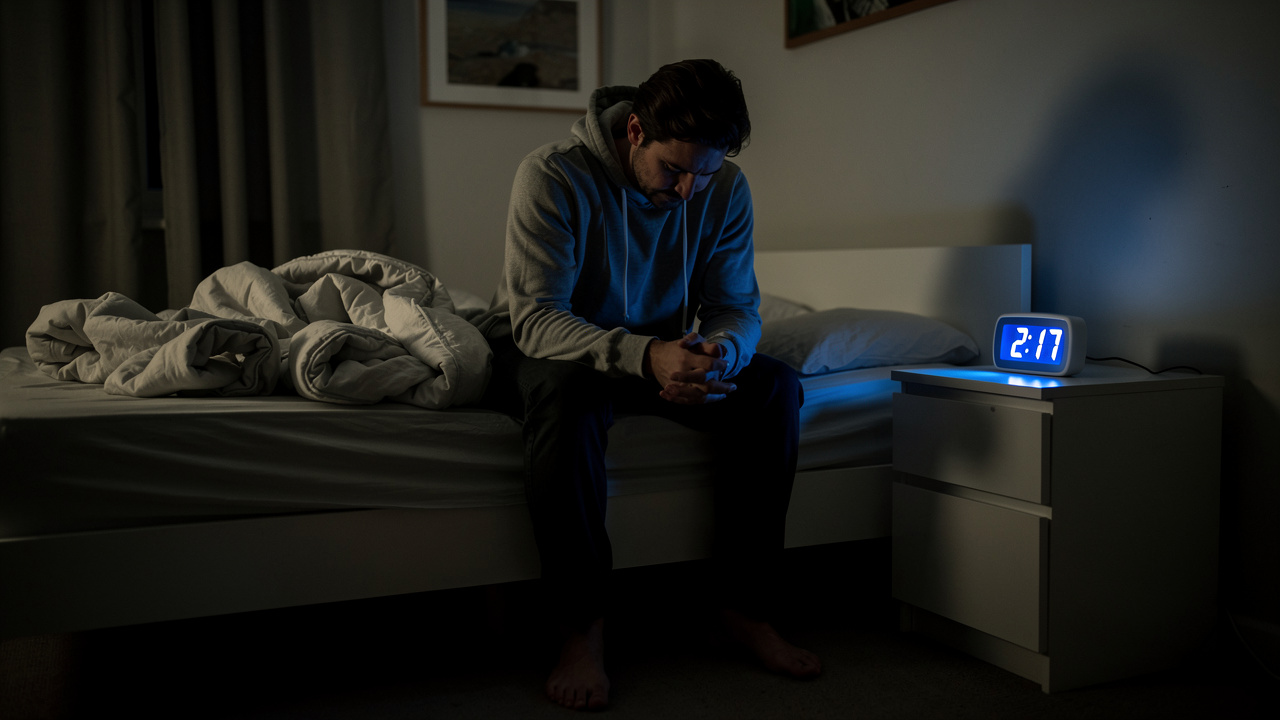
During cancer, sleep often feels fragile. Pain, medication side effects, night sweats, trips to the bathroom, hospital checks, and the fear that rises in the dark can all break up rest. It is important to say clearly that none of this is a personal failure. These changes are often driven by the illness and its treatment, not by anything someone did wrong.
Researchers see several patterns that explain how broken sleep affects the body during cancer:
-
Immune balance. Certain white blood cells, including NK cells that help recognise and attack abnormal cells, follow a daily rhythm. They tend to be more active at some times of day and quieter at others. When sleep is short or scattered, those waves can flatten, and immune messages may become less clear or well timed.
-
Chronic low grade inflammation. When the body does not get enough deep, regular rest, it tends to release more inflammatory signals and has a harder time calming them down. Over time, this can show up as more aching, slower recovery, or a general sense of heaviness and fatigue, which many people with cancer already know too well.
-
DNA repair and cellular clean up. During the night, especially in deeper sleep, cells work through a kind of clean up. They scan for damage, fix what they can, and clear out waste. When the body clock is disrupted, that repair work may be less efficient. This can add to tiredness and make it harder for the body to bounce back from treatment.
-
Hormone rhythms and mood. Hormone rhythms also shift when sleep is irregular. If melatonin stays low because of light at night, and cortisol stays high because of ongoing stress, the body’s inner balance can slide. People may feel more anxious, more low in mood, or more wired yet exhausted. Research in groups of workers with long term circadian disruption has linked this pattern with higher rates of breast, prostate, and colorectal cancer, though again, it is one factor among many.
“Sleep is the single most effective thing we can do to reset our brain and body health each day.” — Matthew Walker, PhD, sleep scientist
Why Melatonin Deserves A Careful Mention
Melatonin is often called the body’s “darkness signal.” As daylight fades, the brain’s pineal gland begins to release more of it. Rising melatonin helps the body quiet down, lower core temperature a little, and move toward sleep.
Studies suggest that melatonin does more than make people drowsy. It seems to support healthy cell growth, help guide when cells should rest, and may assist parts of the immune system. For this reason, many people read about melatonin and wonder if taking it could help with cancer or with sleep during treatment.
Melatonin supplements, however, are not a cancer treatment. They can interact with medications and are not right for everyone. Doses sold over the counter also vary widely. Any supplement should be discussed with an oncologist or care team, especially when chemotherapy, radiotherapy, or hormone treatments are involved. The safest focus is often to support the body’s own melatonin by protecting darkness in the evening, dimming screens, and moving toward a steadier bedtime where possible.
Practical Ways To Support Your Body Clock Every Day

When life already feels full of appointments and worries, the idea of changing sleep habits can feel heavy. It can help to remember that the circadian rhythm is gentle and responds to small, steady signals. One or two tiny changes, kept up over time, can already support the sleep and cancer circadian rhythm connection.
Try picking just one or two of the ideas below to begin with:
-
Anchor your wake time by choosing a realistic time to get up most days and aiming to stick to it, even on weekends. The body clock resets itself mainly from morning light and waking time. A steady wake time gives the internal clock a strong daily signal. On very bad nights, it is fine to shift a little, yet returning to the same general window helps rhythm return.
-
Seek morning light by getting outside or near a bright window within an hour of waking. Ten to twenty minutes is often enough for the brain to mark “daytime” clearly. This helps set the clock so that melatonin will rise more easily that evening. Finishing strong coffee or tea by early afternoon also supports this pattern, since caffeine can blur the brain’s sense of when day should wind down.
-
Manage screens and evening light by gently dimming lights as bedtime approaches. The blue light from phones, tablets, and laptops sends a “daytime” signal to the brain and can lower melatonin. Using night mode, holding screens farther from the face, or choosing softer lamps can make a real difference. Even small shifts, such as turning off bright overhead lights after dinner, help the clock feel that night is coming.
-
Create an evening wind down ritual that repeats most nights so the nervous system feels safer. This might mean a warm bath, gentle stretching, slow breathing, or reading something calming. Guided practices from Calming the Mind of Cancer, such as Om based meditations or the ideas in Mindfulness for Cancer Anxiety: 5 Daily Practices, can quiet racing thoughts. Over time, the brain begins to link this pattern with the feeling of moving toward sleep.
-
Optimise your bedroom environment so it supports rest. A dark room, or an eye mask, protects natural melatonin release. A cool temperature, often in the mid sixties Fahrenheit, helps the body drop into deeper sleep. Quiet, or soft background noise, can settle the senses. Keeping the bed mainly for sleep and gentle rest can also train the brain to see it as a place of safety rather than worry.
A Note On Meal Timing And The Body Clock

The body does not only tell time through light. Clocks in the gut and liver also listen closely to when food arrives. Eating at all hours can confuse those clocks, while a more steady pattern gives clearer signals.
Many people find it helpful to eat their main meals within a daytime window of about ten to twelve hours. Finishing larger meals by early evening, and keeping late night snacks smaller and lighter, can support digestion and blood sugar. This style of eating, sometimes called chrono nutrition, may also help circadian rhythm and energy levels.
If appetite feels low or treatment makes eating difficult, even a simple pattern such as “breakfast within two hours of waking and last snack two to three hours before bed” can help the body sort day from night. For more ideas, the guidance in Healthy Lifestyle for Cancer Prevention: A Practical Guide at Calming the Mind of Cancer can be a gentle next step.
How Calming The Mind Of Cancer Supports Your Sleep And Circadian Health
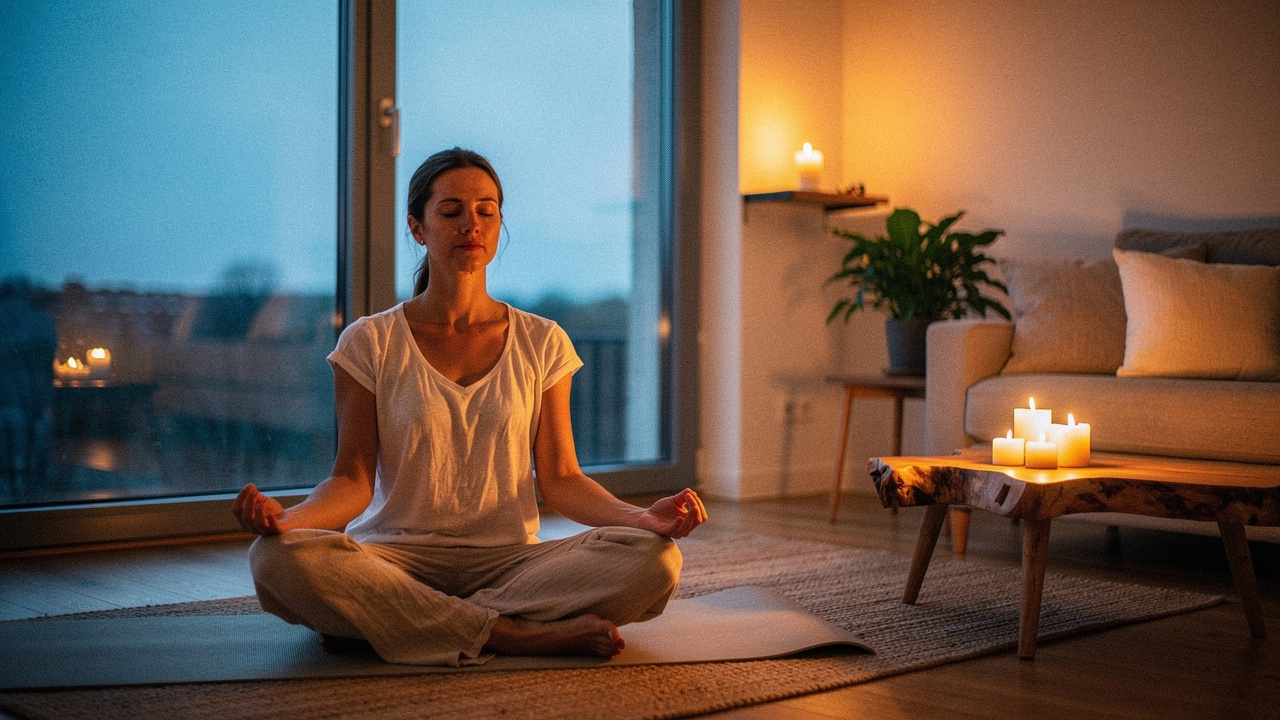
When someone is facing cancer, the tools that support sleep and inner calm need to meet them with both kindness and clear information. Calming the Mind of Cancer is built around this idea, bringing together ancient spiritual practices and modern nutritional science in a way that feels steady and humane.
The platform offers meditation and mindfulness programs, including Om based practices, that are designed for people living with cancer, survivors, and caregivers. These guided sessions can soften the mental loops that keep many people awake, such as “What if this does not work?” or “I will never sleep again.” Resources like Meditations for Cancer: Calm Support Through Treatment and Mindfulness for Cancer Anxiety: 5 Daily Practices focus directly on the worry and tension that disturb sleep.
Stress reduction is a central part of restoring circadian rhythm, because high stress often keeps cortisol high into the night. Calming the Mind of Cancer teaches simple breathing, grounding, and body awareness techniques that help the nervous system shift from “fight or flight” toward a more restful state. As stress signals ease, the body’s natural timing for sleep, digestion, and hormone release can come forward more easily.
Nutritional guidance on the platform supports the physical side of this picture. Information on antioxidant rich foods, gentle “superfoods,” and practical meal ideas can help stabilise energy across the day. When blood sugar swings less and meals fit a more regular pattern, it often becomes easier for the body to follow a healthy sleep wake cycle. All of this is offered with sensitivity to the needs of patients, survivors, and caregivers, who each face their own kind of night.
Conclusion
The body’s internal clock quietly touches nearly every system involved in healing, immunity, and emotional resilience. During cancer, that clock often gets shaken by treatment, pain, and fear, so trouble sleeping is common and deeply understandable. It is not a sign of weakness, and it is not something anyone chose.
At the same time, small acts of care can support the sleep and cancer circadian rhythm connection. A steadier wake time, a few minutes of morning light, gentler evenings, calmer thoughts through meditation, and a more peaceful bedroom can all send the same message. They tell the body that safety is possible, at least for this night.
Caring for sleep in this way is a form of caring for every part of oneself. For those who want gentle guidance on this path, Calming the Mind of Cancer offers meditation, nutrition, and mental wellness support, including resources such as How to Maintain Mental Wellness During Cancer. Even on the hardest days, a kinder rhythm is still worth reaching for, one small habit at a time.
FAQs
Many people living with cancer, or supporting someone who is, share the same questions about sleep, health, and the body clock. These brief answers offer general guidance and do not replace medical advice from a care team.
Question 1 – Can Poor Sleep Increase Cancer Risk?
-
Studies in large groups of people show that long term circadian disruption, such as years of night shift work with very irregular sleep, is linked with higher rates of some cancers. Breast, prostate, and colorectal cancers are the ones most often studied in this way. Poor sleep is one factor among many, not a single cause for any one person. Working toward kinder sleep habits can support overall health, but it should not become a source of guilt or fear.
Question 2 – What Is The Best Sleep Routine For Cancer Patients?
-
There is no perfect routine that fits everyone, yet certain patterns help many people. A regular wake time, morning daylight, less bright screen use in the evening, and a calming wind down routine all support circadian rhythm. Mindfulness and gentle meditation, such as the practices from Calming the Mind of Cancer, can ease anxiety that keeps the mind awake. The best routine is one that feels kind, realistic, and can be repeated most days, even during treatment. Talking with a healthcare professional about pain, hot flushes, or other symptoms that disturb sleep is also important, as medical support and self care work best together.