Introduction
What if one quiet key to feeling more successful in recovery is sitting under the kitchen sink or on the bathroom shelf?
Have you ever wondered how many invisible chemicals move through your home each day?
And what if small, calm steps to reduce environmental toxins and cancer recovery stress could help the body feel just a little lighter?
For many people, the word toxins sparks alarm. During cancer treatment and recovery, it can also feel like one more thing to think about when energy is already low. The aim here is not to scare or demand perfection. It is to offer gentle, simple ideas that support healing without adding pressure.
Scientists now talk about toxic load, also called body burden. This means the mix of chemicals the body handles from air, water, food, dust, plastics, fragrance, and more. No single cleaner or lotion usually causes cancer on its own. The concern is long-term, repeated contact, especially with chemicals that act as hormone disruptors or increase oxidative stress. For anyone focused on environmental toxins and cancer recovery, lowering that ongoing load in smart, realistic ways makes sense.
This guide walks through easy places to start at home. It covers indoor air, fragrance, cleaning products, plastics and food containers, water quality, personal care items, and pesticides on food. Each step is meant to feel realistic, not extreme. Along the way, the calming approach of Calming the Mind of Cancer weaves in, linking a peaceful mind, nourishing food, and a lower-tox home into one steady path of support.
Key Takeaways
Reducing environmental toxins during cancer recovery is about lowering overall burden over time. It is not about creating a perfectly toxin-free life. Thoughtful steps in daily routines can still make a real difference. Calm awareness matters more than worry.
The most helpful changes usually come from products used every single day. These include what touches the skin, what scents the air, and what holds food and water. One or two swaps in these areas often bring more benefit than many rare changes. Progress grows as habits shift.
Simple swaps such as glass instead of plastic, fragrance-free products, and filtered water lower daily chemical exposure. These choices support cleaner indoor air for cancer recovery and beyond. They also support a low tox lifestyle during cancer treatment and after. Small steps stack over months and years.
Antioxidant-rich foods and steady hydration help the body handle oxidative stress from everyday exposures. Supporting the liver, gut, and kidneys with whole foods matters far more than quick detox fads. Food choices become a daily vote for healing.
What Is The “Hidden Load”? Understanding Environmental Toxins And Cancer Recovery
The hidden load is the set of exposures most people never see or feel in the moment. Paint on the wall, fragrance in a spray, residue on apples, a plastic container in the microwave, or fumes from a cleaner all add tiny inputs over time. Scientists call this the toxic load, and it is one part of the picture when thinking about environmental toxins and cancer recovery.
“The dose makes the poison,” wrote Paracelsus, the 16th‑century physician often called the father of toxicology. His reminder still guides modern research on everyday chemicals and health.
This does not mean a favorite candle or a single takeout container directly causes cancer. For most people, risk rises when many exposures repeat over years. Some chemicals act as endocrine disruptors, which means they interfere with hormones like estrogen, testosterone, or thyroid hormones. Others may add to oxidative stress or low-grade inflammation, which can strain cells that are already busy repairing from treatment.
During and after treatment, the body works hard. The liver processes drugs, the immune system rebuilds, and tissues repair. Reducing extra work from avoidable chemicals is one way to support this healing process. It is a bit like lightening a backpack during a long walk so each step takes less effort.
Not all exposures carry the same weight. Items used once a month matter less than things touched, breathed, or sipped every day. Daily lotion, shampoo, water bottles, food storage, all-purpose sprays, and scented products add up in a bigger way. Focusing on these high-frequency products lets someone caring about toxic load in cancer recovery get the most benefit from the least effort.
The aim is not to scrub life of every risk, which is impossible. The aim is to reduce unnecessary chemical stress where it is practical. With that in mind, it helps to see where these exposures most often hide at home.
Where Toxins Hide In Your Home — And Why It Matters
Most people spend much of their time inside, especially during cancer treatment and recovery. That means the home becomes a main place where chemicals can either build up or ease down. Indoor air, scented products, cleaners, plastics, food containers, and water all play a part. When these are chosen with care, the home quietly supports healing instead of adding extra stress.
The U.S. Environmental Protection Agency notes that indoor air levels of certain pollutants may be two to five times higher than outdoor levels in typical homes, especially when ventilation is poor.
Indoor Air, Fragrance, And Cleaning Products
Indoor air can hold more pollutants than outdoor air, especially in tightly sealed homes. Volatile organic compounds (VOCs) from paints, furniture, air fresheners, and sprays can linger in the air and dust. For someone focusing on environmental toxins and cancer recovery, cleaner indoor air is a kind and simple support.
One helpful habit is regular ventilation. Opening windows when weather and outdoor air quality allow gives chemicals a path out and fresh air a way in. Kitchen and bathroom fans also pull moisture and fumes outside. For people in polluted areas, a HEPA air purifier can help reduce particles and support a cleaner breathing space.
Another step is paying attention to the word “fragrance” on labels. This single word can hide many different chemicals, and some may include phthalates that act as hormone disruptors. Choosing fragrance-free options, or items clearly scented with a single essential oil, supports fragrance-free living during cancer recovery. This also reduces nausea or headache for those who feel sensitive to smells.
Cleaning products are another common source of fumes. When a label uses words like Danger or Poison, the product is more hazardous than one labeled Caution. For everyday cleaning, many people do well with simple ingredients such as diluted vinegar, baking soda, or fragrance-free commercial cleaners. These options keep the home clean without adding as much to toxic load concerns.
Plastics, Food Containers, And Water Quality
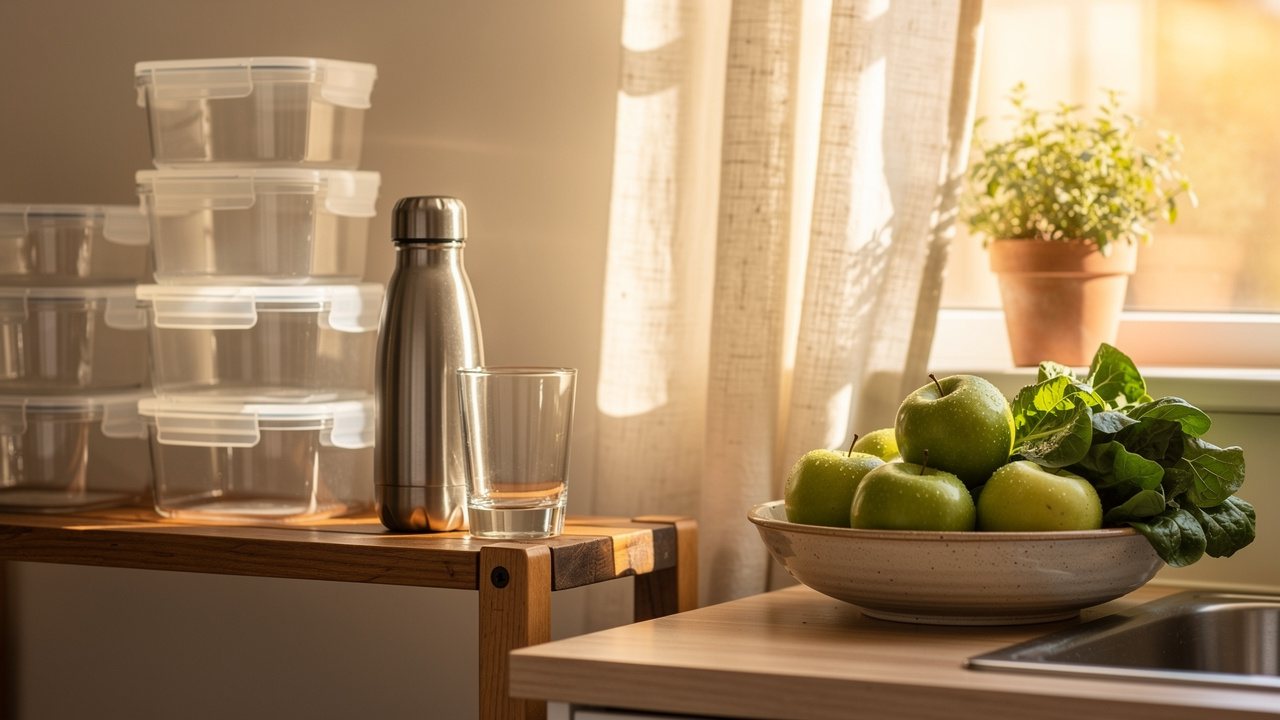
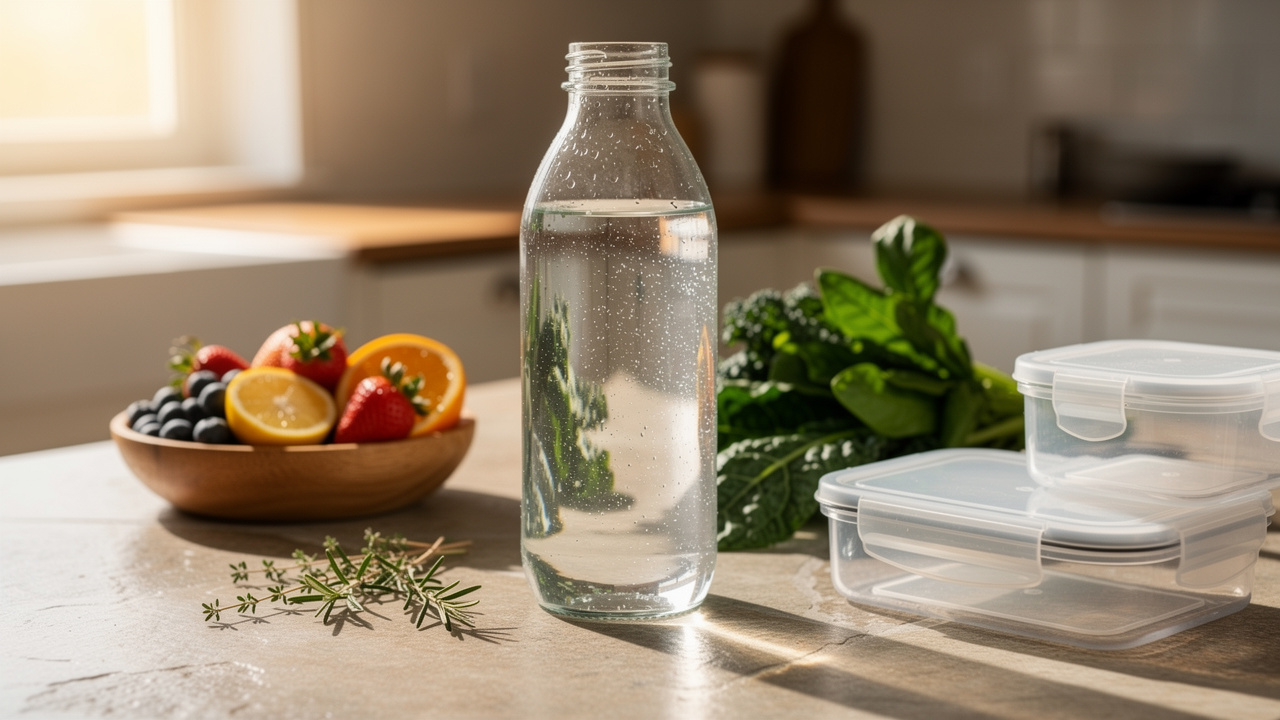
Plastics touch food and drink many times each day. Some plastics can release chemicals such as bisphenol A (BPA) and certain phthalates, especially when heated or scratched. These chemicals are studied as endocrine disruptors, and research explores links between plastics and cancer risk, especially for hormone-related cancers.
A few everyday swaps can help shift this pattern:
| Instead Of… | Try… |
|---|---|
| Plastic water bottles | Glass or stainless steel |
| Microwaving in plastic | Ceramic or glass bowls |
| Plastic food storage | Glass containers with lids |
| Plastic wrap | Beeswax wrap or glass lids |
These changes reduce how often hot food and drinks sit in contact with plastic. They fit well into a low tox lifestyle during cancer recovery, and they also tend to last longer, which saves money over time.
Water quality is another piece of reducing chemical exposure at home. Tap water can carry traces of heavy metals, farm chemicals, or disinfection byproducts. A certified carbon filter or reverse osmosis system can lower many of these. In addition, testing the home for radon, especially in basements or first-floor bedrooms, is wise. Radon is a natural gas linked to lung cancer, yet it is often simple and quiet to fix once found.
Simple, Realistic Swaps To Reduce Your Toxic Burden
Once awareness is in place, the next step is action that feels possible, not overwhelming. The biggest wins usually come from high-contact areas such as skin care, what goes on the plate, and what gets sprayed around the room. Using tools like the Environmental Working Group website at ewg dot org helps you compare products without hours of research. Over time, small choices like these can gently lower environmental toxins and cancer recovery stress.
Personal Care Products And Fragrance-Free Living
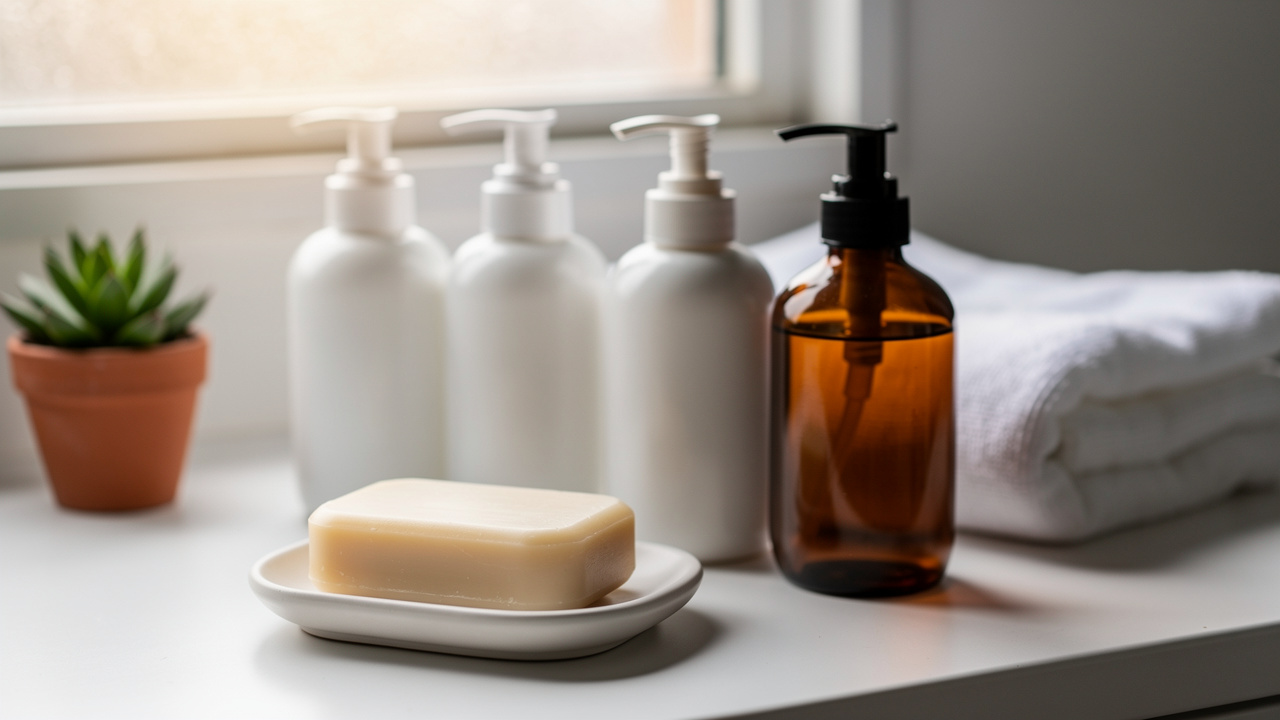
What goes on the skin often goes into the body, at least to some degree. Moisturizers, shampoos, makeup, sunscreen, and deodorant can all contain synthetic chemicals. Because these items touch the body daily, they can add up to a meaningful part of overall toxic load concerns.
Phthalates are a group of chemicals used to make plastics flexible and scents last longer. They often hide under the word fragrance on labels, which makes them hard to spot. Research explores links between some phthalates and hormone-related cancers, so many integrative practitioners suggest reducing them when possible.
Parabens are common preservatives in lotions, shampoos, and cosmetics. They can act like weak estrogens in the body. For someone in hormone-related cancer recovery, many experts suggest choosing products marked paraben-free as a simple precaution.
Synthetic fragrance blends can include dozens of ingredients that never appear on the label. While many are not well studied, some may act as irritants or hormone disruptors. Fragrance-free living during cancer care removes this unknown mix and can lessen headaches and nausea for sensitive people.
Practical steps help this feel simple rather than stressful:
Look for products with short, easy-to-read ingredient lists.
Check items in the EWG Skin Deep database, which offers clear safety ratings.
Replace one category at a time, such as body lotion, and switch to a fragrance-free option when the old product runs out.
It is always wise to ask an oncology team about any skin products used on areas treated with radiation or other therapies.
Pesticides, Produce, And What You Eat
Food is one of the most joyful parts of life, and it plays a big role in environmental toxins and cancer recovery. At the same time, pesticide residues on fruits and vegetables are a common source of low-level chemical intake. The aim is not to fear produce, which is very important for healing, but to lower avoidable pesticide intake when possible.
Washing produce well is a simple first line of defense. Rinsing fruits and vegetables under running water and gently rubbing the surface can remove some surface residues and dirt. For thicker-skinned items, a soft brush can help. This does not erase every trace, yet it is a worthwhile daily habit.
The Environmental Working Group publishes two helpful lists each year. The Dirty Dozen list covers produce items that tend to carry more pesticide residues, such as strawberries and spinach, which many people prefer to buy organic when they can. The Clean Fifteen list highlights items like avocados and pineapple that usually have lower residues, so buying conventional versions feels more comfortable.
Another point of focus is grains and nuts, which can sometimes carry mold toxins called aflatoxins when stored in hot, humid conditions. Buying from stores with good turnover and storing these foods in airtight containers in a cool, dry place helps limit this risk. Choosing roasted nuts from trusted brands instead of cracked, old stock also supports safety.
These steps fit into a thoughtful, budget-friendly food plan rather than an all-or-nothing rule set. They match well with guidance in [Healthy Lifestyle for Cancer Prevention: A Practical Guide], where everyday habits are the focus. For many people, simply washing produce, choosing organic for key items, and cooking at home more often brings both peace of mind and better nourishment.
Supporting Your Body’s Natural Defenses Through Nutrition
The body already has strong systems for sorting, changing, and removing many chemicals. The liver acts as a main filter. The kidneys clear water-soluble wastes. The gut and its helpful bacteria bind and move substances out of the body. When people talk about environmental toxins and cancer recovery, one of the kindest things they can do is support these systems with steady, gentle care.
This support does not require harsh cleanses or extreme detox diets. In fact, those can sometimes stress a body that is already tired from treatment. A pattern of whole foods, enough protein, plenty of plants, and good hydration works better over the long term. It feeds the enzymes and pathways the liver uses every day.
role of nutrition in cancer prevention also ties closely to inflammation, blood sugar balance, and gut health, all of which affect how the body handles exposures. Guidance like that in [Beyond Treatment: Holistic Nutrition for Cancer Recovery] and [Holistic Cancer Care 2025: Diet & Mindful Living] focuses on these foundations. When food is steady and nourishing, the body is better able to cope with the smaller, less visible stresses from the environment.
As many oncology dietitians remind their patients, “Food is one part of your care plan, not a replacement for medical treatment — but it can make that plan feel more supportive.”
How Antioxidant-Rich Foods Help Your Body Cope

Many environmental chemicals increase oxidative stress, which means there are more reactive molecules than the body can safely balance. Over time, this can damage cells, including DNA. Antioxidants are compounds in food that help neutralize these molecules, acting like tiny shields for cells.
Helpful food groups include:
Colorful fruits and vegetables – Berries, cherries, citrus fruits, leafy greens, carrots, and beets all bring a wide mix of protective compounds. A simple rule is to make half the plate plants at most meals.
Cruciferous vegetables – Broccoli, cauliflower, kale, cabbage, and Brussels sprouts support liver pathways that process both hormones and chemicals.
Healthy fats – Olive oil, avocado, nuts, and seeds provide anti-inflammatory fats that support cell membranes and brain health.
Whole grains and beans – These add fiber, which feeds gut bacteria and helps bind some substances for removal in stool.
Herbs and spices – Turmeric, ginger, garlic, cinnamon, and rosemary bring additional antioxidants in small but steady amounts.
Lifestyle pieces round out the picture. Staying hydrated helps the kidneys flush wastes. Limiting alcohol gives the liver fewer toxins to process. Regular gentle movement supports lymph flow and weight balance, both important for endocrine health. These are not quick fixes, but they are powerful acts of self-care repeated over many days.
How Calming The Mind Of Cancer Supports Your Whole-Body Recovery

Changing products and food can feel like a lot, especially when someone is already dealing with appointments, scans, and side effects. This is where support from a calm, grounded resource can make a big difference. Calming the Mind of Cancer was created to sit at this meeting point of environmental toxins and cancer recovery, whole-food nutrition, and inner peace.
On the nutrition side, Calming the Mind of Cancer offers clear, science-informed guidance. It highlights antioxidant-rich foods, gentle superfoods, and eating patterns that support the liver, gut, and immune system. These same patterns help the body handle everyday exposures from air, water, and household products. People learn how to build plates that lower inflammation instead of feeding it, while still feeling satisfying and comforting.
Equally important is the mind-body connection. The platform shares meditation and mindfulness practices, including Om-based methods, designed specifically for people moving through cancer treatment or life after treatment. High how to maintain mental wellness can change hormones, weaken immune responses, and make the body more sensitive to environmental triggers. Regular meditation helps settle the nervous system, which may support better sleep, digestion, and even how the body responds to toxins.
What sets Calming the Mind of Cancer apart is how these pieces come together in a warm, practical way. There is no demand for perfection. Instead, the message is steady progress, one choice at a time: a new glass water bottle here, a fragrance-free lotion there, an extra serving of greens at dinner, a few minutes of guided breathing before bed. For anyone who wants a gentle companion beside medical care, [Holistic Cancer Care 2025: Diet & Mindful Living] within this platform offers that kind of steady, kind guidance.
Conclusion
Reducing environmental exposures during cancer recovery is not about chasing a perfectly clean life. It is about easing the hidden load where it makes sense, so the body has a little more space for healing. Every small choice is an act of self-kindness, not another rule to obey.
The most helpful steps are often simple:
Swap plastic water bottles and microwave containers for glass or stainless steel.
Choose fragrance-free cleaners and personal care products.
Wash produce well and buy key items organic when possible.
Support the liver and immune system with colorful plants, healthy fats, and enough water.
Consider testing the home for radon, especially if living on a lower floor.
Healing tends to happen in layers, over time. Each quiet, informed choice builds another layer of support under that process. If guidance feels helpful, Calming the Mind of Cancer is here with calm nutrition teaching and gentle mindfulness tools to sit beside medical care, one day and one step at a time.
FAQs
Do environmental toxins directly cause cancer?
Most everyday household exposures do not cause cancer by themselves. Research points instead to chronic, long-term exposure to certain chemicals, especially endocrine disruptors and compounds that raise oxidative stress. Genetics, diet, movement, and stress also change risk. The most realistic goal is to reduce unnecessary exposures while keeping life as calm and steady as possible.
What are the most important plastic swaps for cancer recovery?
Focus first on what touches food and drink every day. Replace single-use and reusable plastic water bottles with glass or stainless steel versions. Avoid microwaving food in plastic, even if the label says it is safe, and use ceramic or glass instead. Store leftovers in glass containers so hot food does not sit against plastic for long periods.
Are fragrance-free products really necessary during cancer recovery?
They are not a strict rule, yet they are one of the easiest high-impact swaps. The word fragrance on labels can hide many chemicals, including some with hormone-disrupting effects. During and after treatment, many people notice stronger reactions to smells. Fragrance-free cleaners, lotions, and laundry products lower this chemical mix while also helping sensitive noses rest.
How can diet help reduce the effects of environmental toxins?
Food cannot erase exposures, but it can help the body handle them more gracefully. Antioxidant-rich fruits and vegetables support cells as they face oxidative stress. Fiber from whole grains and beans, along with steady hydration, supports healthy elimination. Limiting alcohol and eating in line with guidance from [Beyond Treatment: Holistic Nutrition for Cancer Recovery] and other Calming the Mind of Cancer resources gives the liver less extra work to do.
Where can I find reliable information about safe products?
The Environmental Working Group website offers free databases that rate cosmetics, cleaning products, and food choices. Many people also find it helpful to work with an integrative oncologist or a knowledgeable practitioner who understands both conventional care and environmental health. On product labels, shorter ingredient lists and lower hazard words are often better signs. Most of all, use these tools to support calm, not fear, choosing a few meaningful changes at a time.