Introduction
Picture a person in a grocery store, list in hand, frozen in front of the cereal aisle. One blog says to cut all sugar. A friend insists fruit is dangerous. Another voice says to eat “whatever sounds good” during treatment. The cart is still empty, but the mind is crowded with worry about food, blood sugar, insulin, and cancer.
For many people living with cancer, one heavy question sits in the background of almost every meal: Does each bite help or harm? Simple phrases like “sugar feeds cancer” spread widely online, but they rarely come with calm explanation. That missing nuance matters, because all cells use glucose, yet cancer cells and healthy cells do not manage that fuel in the same way.
This overview offers a grounded look at how blood sugar, insulin, and cancer fit together, drawing on both conventional research and thoughtful functional medicine voices. We will walk through glucose metabolism, insulin signaling, inflammation, and overall metabolic health in plain language. The focus is not strict rules, but small, realistic shifts that may support the body during treatment, recovery, and prevention. For a wider context on lifestyle and care, you may also find the article Holistic Cancer Care 2025: Diet & Mindful Living helpful as you read.
Key Takeaways
-
Many cancer cells use more glucose than healthy cells. That is one reason people worry about sugar, but the simple phrase “sugar feeds cancer” does not tell the whole story.
-
Chronically high insulin and insulin resistance can act like growth signals for cells. These patterns link closely with inflammation and may create conditions that favor cancer cell growth.
-
Cancer treatments can raise blood sugar through stress hormones and medication effects. Understanding this helps people notice symptoms and talk with their oncology team in an informed way.
-
Gentle shifts in food patterns and daily habits—more fiber, balanced protein, fewer refined sugars, regular movement, and stress care—can support steadier blood sugar during and after treatment.
-
Functional medicine voices such as Mark Hyman and David Perlmutter highlight cancer metabolism and insulin-related inflammation. Their ideas work best when viewed beside, not instead of, solid oncology guidance.
Why Metabolic Health Matters In The Cancer Conversation
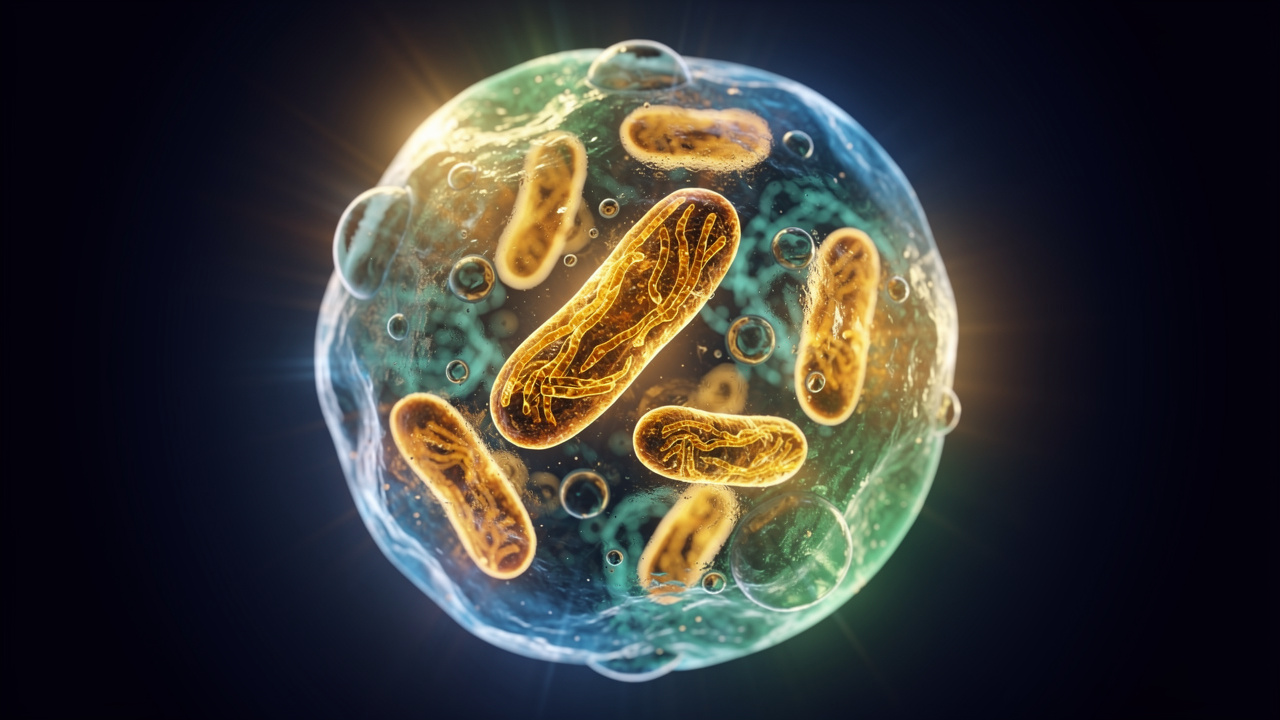
Every cell in the body uses glucose as a basic fuel. Healthy cells usually burn this fuel in an efficient way, like a well‑tuned hybrid engine that gets many miles out of each gallon. Many cancer cells act more like engines that run hot. They burn glucose quickly in a less efficient way, a pattern often called the Warburg effect.
This faster, less efficient fuel use helps cancer cells grow and divide at high speed. It also makes them more dependent on a steady flow of glucose from the blood. Researchers and functional medicine doctors, including Mark Hyman, point to this difference in metabolism as a possible weak spot in tumors. That is why topics like glucose and cancer or cancer metabolism appear often in both research papers and integrative health books.
It is important to be clear though: having this metabolic difference does not mean that eating a cookie directly causes cancer, or that cutting every gram of sugar will starve a tumor. The body is more complex than that. Glucose comes not only from sweets, but from many healthy foods and from the breakdown of stored energy in the liver. The key idea is not blame, but awareness of how the whole metabolic system behaves.
Metabolic health includes more than a single blood sugar reading. It includes insulin levels, inflammation, stress hormones, and how flexible cells are in using fuel. When blood sugar stays high for long periods, some cancers seem to do worse. For example, research in leukemia has linked high blood sugar with a roughly forty percent higher death rate, consistent with findings that new-onset prediabetes/diabetes worsens overall survival in patients with cancer. That kind of finding can sound scary, yet it can also be viewed as an invitation to gently support blood sugar and insulin balance.
“The goal is not to eliminate all sugar from your diet. It is to create an internal environment where healthy cells can thrive.”
“Cancer is a disease of systems, not just cells.” — Siddhartha Mukherjee, The Emperor of All Maladies
If this link between food patterns and cancer interests you, you may want to explore The Role of Nutrition in Cancer Prevention for a wider look at how everyday meals and snacks relate to long‑term health.
How Insulin Resistance Creates A Cancer-Friendly Environment
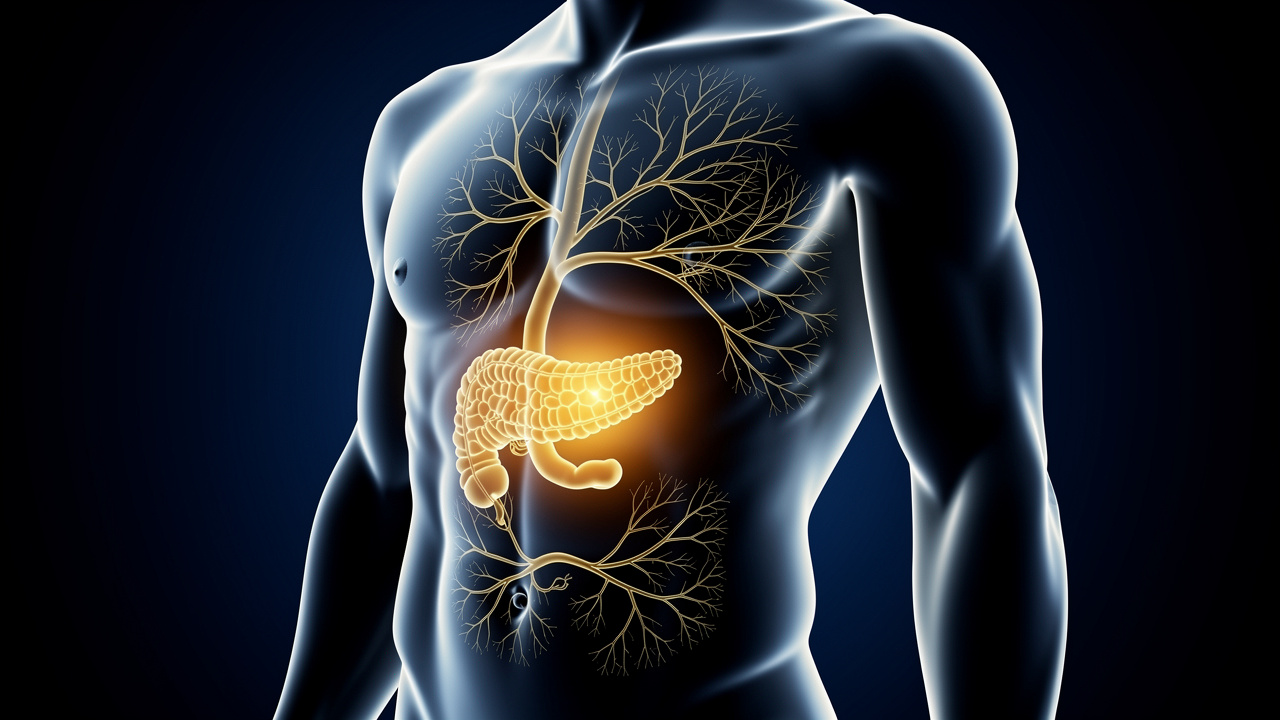
Insulin is a hormone made by the pancreas that helps move glucose out of the blood and into cells. Many people find it helpful to picture insulin as a key. After a meal, blood sugar rises, the pancreas releases insulin, and that key helps open cell doors so glucose can move inside and be used for energy.
Insulin resistance develops when those cell doors stop opening easily. The same amount of insulin no longer gets the job done. In response, the pancreas produces more and more insulin to push glucose into cells. Over time, this can lead to a pattern of both high blood sugar and high insulin circulating together.
Several factors can tilt the body toward insulin resistance:
-
Extra body fat around the waist
-
Little physical activity
-
Diets high in refined sugars and saturated fats
-
Ongoing emotional or physical stress
Functional medicine clinicians often discuss metabolic health–cancer connections in this context, since insulin resistance also ties in with high blood pressure, fatty liver, and type 2 diabetes.
Insulin does more than move sugar. It also acts as a growth signal. When insulin stays high, it can push cells to divide more and die less often. Cancer cells often have extra insulin receptors, as well as receptors for a related hormone called IGF‑1 (insulin‑like growth factor 1). Higher insulin can raise active IGF‑1 levels, and those combined signals are like pressing harder on a growth pedal. This is sometimes called the insulin supply hypothesis for cancer growth.
At the same time, the glucose supply hypothesis suggests that extra sugar in the bloodstream provides easy fuel for fast‑growing tumors. Neurologist David Perlmutter often points to how insulin and inflammation interact as well. Visceral fat around the organs releases inflammatory substances that can damage DNA and make tissues more welcoming to tumors. Most experts now think both fuel supply and growth signaling matter in the blood sugar–insulin–cancer story.
A simple way to see why insulin resistance matters for cancer is to compare its effects side by side:
| What Insulin Resistance Does | Why It Matters for Cancer |
|---|---|
| Keeps insulin and blood sugar higher than normal for long periods | High insulin and glucose together may support growth of cells that already carry cancer‑related changes |
| Increases inflammatory signals from fat tissue around organs | Ongoing inflammation can damage DNA and create a more supportive setting for tumor cells |
| Disrupts hormone balance across the body | Hormone shifts are linked with higher risks for breast, prostate, and colorectal cancers |
| Often appears with weight gain and reduced activity | These patterns make it harder for the body to keep a stable internal environment |
If you feel drawn to deeper scientific discussion of metabolic approaches, you may appreciate the article Press‑Pulse Therapy Cancer Metabolic Approach Explained, which looks at how some researchers try to stress cancer cells while supporting healthy ones.
How Cancer And Its Treatments Affect Your Blood Sugar

The link between blood sugar and cancer flows in both directions. Metabolic patterns like insulin resistance may raise cancer risk, yet cancer and its treatments can also disturb blood sugar control. Many people notice that their numbers shift even when their habits have not changed much.
A diagnosis and its treatments bring intense emotional and physical stress. The body responds by releasing cortisol and other stress hormones, which tend to raise blood sugar so muscles and the brain have quick energy. When stress continues for weeks or months, this repeated rise in blood sugar can become part of daily life. For those who already have diabetes or prediabetes, the effect can be even stronger.
Certain cancer treatments also affect how the body handles glucose. Steroids such as dexamethasone, often used to reduce swelling or manage nausea, are well known for causing blood sugar spikes. Some chemotherapy drugs alter how the pancreas produces insulin or how sensitive cells are to it. Radiation can shift metabolism as well, depending on which organs receive treatment and how long the course lasts.
A significant number of patients live with both cancer and diabetes. Studies report that roughly eight to eighteen percent of people being treated for cancer also have diabetes, and high blood sugar appears during chemotherapy for an estimated ten to thirty percent of patients. These numbers do not need to create fear. They simply show why awareness of blood sugar fits within thoughtful cancer care.
It helps to know common warning signs of high blood sugar so that you can ask for help promptly when needed:
-
Blurred vision can show up when blood sugar rises because extra glucose pulls fluid into and out of the eye. People may notice that their usual glasses do not seem to work as well, especially when this comes together with other symptoms.
-
Extreme thirst often appears because high blood sugar draws water into the urine. The body then loses more fluid than usual and asks for more drinks to replace it.
-
Light‑headedness may arise when high blood sugar and fluid loss affect blood pressure or blood flow to the brain. A person may feel unsteady when standing or walking, which can raise fall risk.
-
Flushed or very dry skin can reflect dehydration and shifts in circulation. Skin may feel unusually warm or rough, and lips can become cracked, especially during chemotherapy.
-
Unusual drowsiness or trouble waking up may show that blood sugar is far outside the normal range. Family members and caregivers are often the first to notice that someone seems out of character; when in doubt, it is always safer to call the care team.
If you use a home glucose meter, keeping a simple log of readings and symptoms can help your oncology and endocrinology teams see patterns.
Understanding these links can feel reassuring. It means you are not imagining changes; blood sugar balance is one more part of treatment to talk through with your medical team.
Gentle, Practical Ways To Support Blood Sugar Balance
When reading about glucose and cancer, it is easy to feel pressure to perfect every bite. That level of pressure usually makes eating more stressful, not more healing. The aim here is different. Gentle, steady patterns matter more than strict rules, and even small shifts can support metabolic health goals during cancer care.
Food patterns shape blood sugar balance across the whole day. Rather than focusing on single foods, it helps to look at how meals and snacks fit together.
-
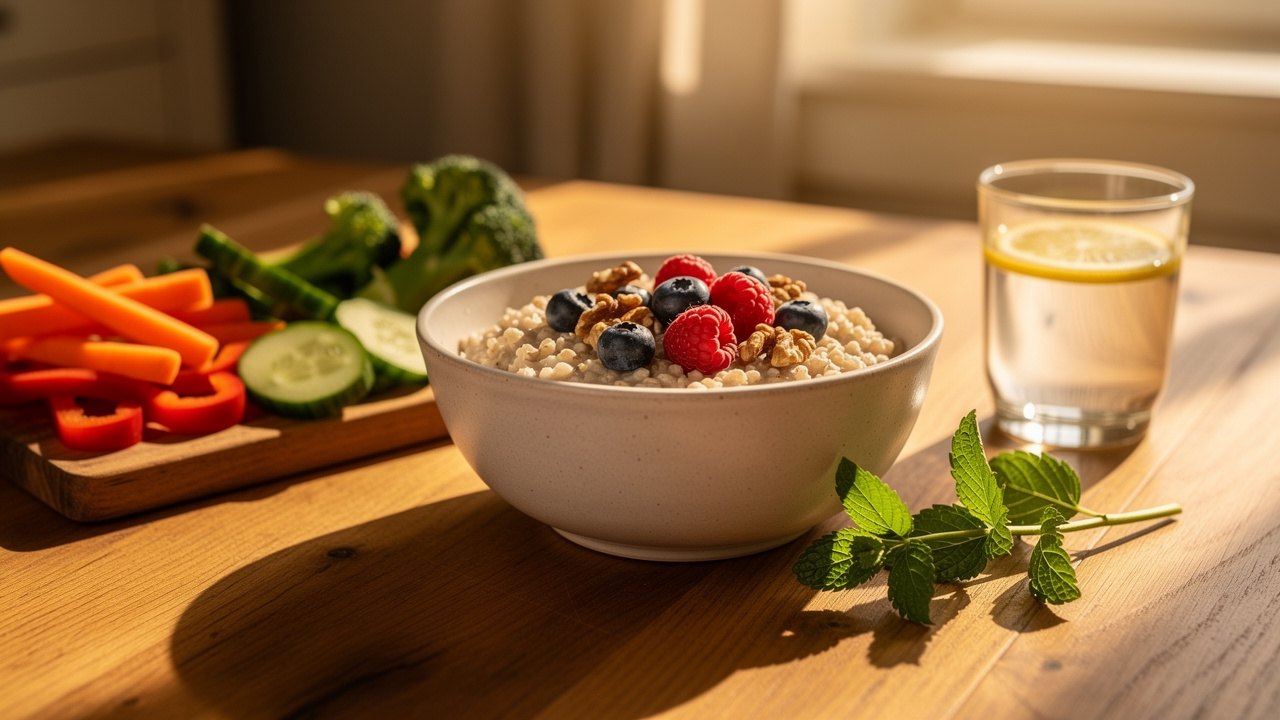
Fiber‑rich foods like vegetables, beans, lentils, and whole grains slow the rise in blood sugar after eating. Fiber forms a sort of sponge in the gut, so glucose enters the bloodstream more slowly and evenly. This pattern of low‑glycemic eating for cancer care can leave people feeling fuller and more stable between meals.
-
Protein at each meal steadies digestion and reduces sharp glucose peaks. Protein can come from plant sources such as lentils, chickpeas, nuts, and tofu, or from animal sources as guided by personal preference and medical advice. Many people notice that when protein is present, they have fewer afternoon slumps and fewer late‑night sugar cravings.
-
Reducing refined sugars and ultra‑processed foods cuts down on quick spikes that do not offer much nourishment. Sodas, candies, sweet coffee drinks, and packaged pastries send glucose up quickly and then let it crash. By contrast, the natural sugar in whole fruit travels with fiber, vitamins, and minerals, so most oncology dietitians still welcome fruit in a thoughtful cancer eating plan.
-
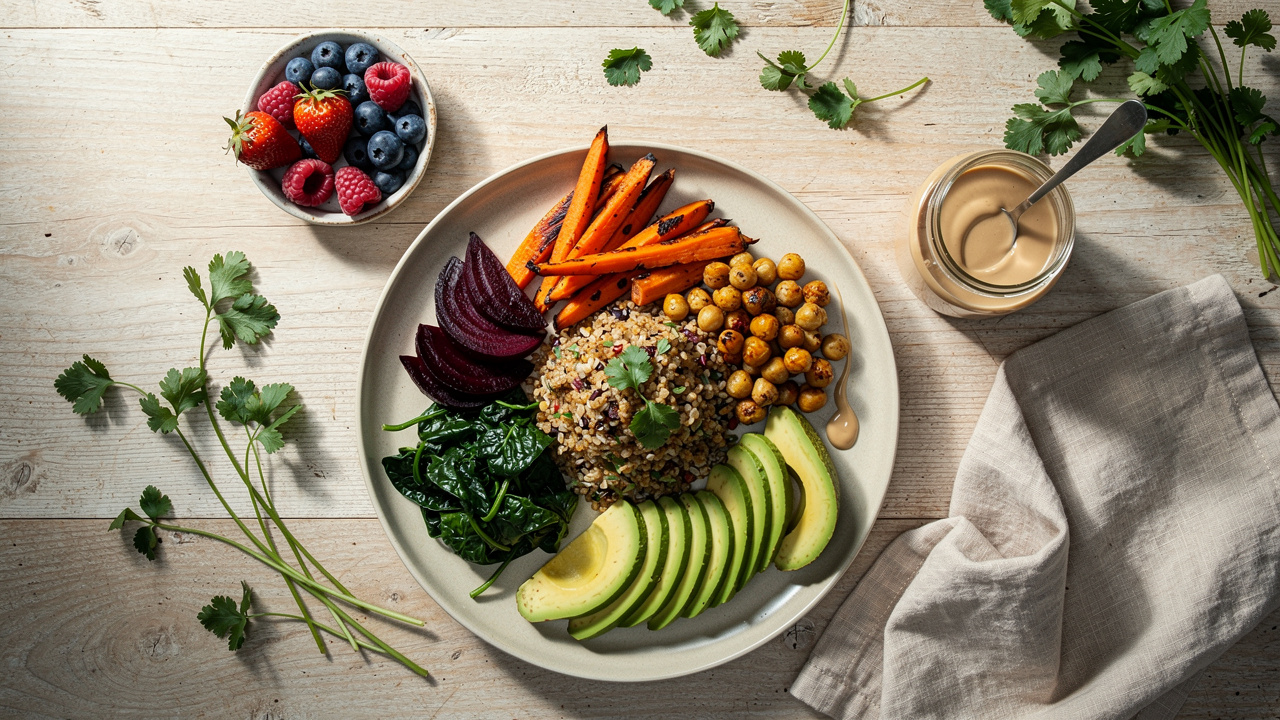
Mindful meal composition brings fiber, protein, and healthy fats together on the same plate. For example, pairing brown rice with beans, sautéed greens, and avocado slows the release of glucose. Over time, this kind of pattern may support blood sugar balance during cancer recovery without the need for extreme diets.
A helpful way to think about meal shifts is to notice common choices and explore gentle swaps:
| Instead Of | You Might Try |
|---|---|
| Sugary breakfast cereal with little fiber | Steel‑cut oats with berries, nuts, and a spoon of yogurt for protein |
| White bread sandwich with processed meat | Whole‑grain bread with hummus, leafy greens, and grilled chicken or baked tofu |
| Afternoon soda and candy | Sparkling water with citrus and a handful of nuts or trail mix with dark chocolate |
| Large evening dessert after a heavy meal | A smaller serving of fruit with a bit of nut butter or a square of dark chocolate after a lighter dinner |
Lifestyle practices also play a key role in blood sugar balance:
-
Gentle movement such as short walks spread through the day helps muscles pull glucose out of the blood without needing as much insulin. Many people aim for about one hundred fifty minutes of moderate activity each week, adjusted for energy level and medical advice.
-
Sleep supports insulin sensitivity. When sleep is short or broken, cortisol rises and blood sugar tends to follow.
-
Hydration helps the kidneys handle glucose and reduces dehydration risk during treatment.
-
Stress care through meditation, breathing exercises, prayer, or slow walks can lower cortisol and make balanced eating feel more natural.
“When people feel less afraid of food, they usually eat better without trying so hard.” — Observation often shared by oncology dietitians
For ideas on plant‑centered meals that fit these principles, you may enjoy the article Plant-Based Diet and Cancer Gentle Nutrition Guide.
Working with an oncology dietitian can help you adapt these ideas to your specific diagnosis, treatment plan, symptoms such as nausea or appetite loss, and cultural food traditions.
How Calming The Mind Of Cancer Supports Your Metabolic Health

Calming the Mind of Cancer exists to stand beside medical treatment with steady, compassionate support. The platform brings together modern nutritional science and long‑trusted spiritual and contemplative practices so that people affected by cancer can care for body, mind, and spirit at the same time. It does not replace oncology care; it sits alongside it as a calm companion.
Through programs such as Nutrition and Cancer Support, Antioxidant-Rich Foods and Healing, and Superfoods and Cancer Prevention, the platform offers clear, science‑informed guidance on everyday food choices. These resources focus on patterns that support blood sugar balance and insulin sensitivity without fear or rigid rules. Simple meal ideas, snack options, and cooking tips help people put low‑glycemic eating for cancer into practice at a pace that feels humane.
Equally important are the mindfulness and meditation practices at the heart of Calming the Mind of Cancer. Guided Om meditations, breathing exercises, gentle movement, prayer, and slow walks are all offered as ways to soften stress and lower cortisol. When the nervous system feels safer, it is much easier to choose nourishing foods and to listen to the body’s signals. These supports are available not only for patients, but also for survivors and caregivers who share the emotional load.
There is no promise of a magic answer here. There is a steady invitation to walk a gentle path, one small, supported step at a time.
Conclusion
The threads that connect blood sugar, insulin, and cancer weave through many body systems. Glucose fuels all cells, yet cancer cells often use it in faster, less efficient ways. Chronic high insulin, inflammation, and disrupted hormone signaling can tilt the inner setting toward one that is more friendly to tumor growth. Understanding these patterns can turn vague fear into specific areas of care.
The encouraging news is that support for metabolic health does not have to look extreme. Small, steady shifts in how meals are built, how often the body moves, how deeply it rests, and how stress is met can all influence blood sugar balance over time. Each person’s cancer experience is different, so it is wise to talk with oncology and integrative clinicians before making large changes.
Caring for metabolic health can be seen as an act of deep self‑compassion. It is one way of saying to the body, you are worthy of steady fuel, steady breath, and steady kindness in this demanding season. If that spirit speaks to you, exploring the resources from Calming the Mind of Cancer and related pieces such as Holistic Cancer Care 2025: Diet and Mindful Living may offer gentle guidance along the way.
FAQs
Does sugar feed cancer, and should I cut out all sugar?
Many cancer cells do use more glucose than healthy cells, yet all cells rely on glucose to some degree. The problem usually lies with frequent blood sugar spikes from refined sugars and ultra‑processed foods. Natural sugars in whole fruits and intact grains behave differently because they come with fiber and nutrients. For most people, the more helpful goal is balanced blood sugar, not complete sugar removal, planned with an oncology dietitian.
Can managing blood sugar improve my cancer outcomes?
Research on blood sugar balance and cancer recovery is still growing, yet current evidence suggests that better metabolic health supports the immune system and may reduce treatment complications. Stable blood sugar can ease dehydration risk, energy swings, and infection risk during chemotherapy or radiation. Some studies link insulin resistance with higher risks for several cancer types — research shows insulin resistance linked to a 25% higher risk across 12 cancer types — which is why many clinicians now include metabolic health in survivorship plans. It is wise to discuss these topics with your oncologist or integrative provider.
How does stress affect blood sugar during cancer treatment?
Stress signals the body to release cortisol and related hormones, which raise blood sugar to prepare for action. During cancer treatment, this response may be active much of the time, adding to the blood sugar effects of medications and reduced activity. Practices such as mindfulness, gentle yoga, breathing exercises, and guided relaxation help calm the nervous system and can support more stable glucose patterns. Calming the Mind of Cancer weaves these tools together with nutritional guidance so that emotional care and metabolic care support each other.