Introduction
What if movement, even a five‑minute walk to the end of the hallway, could quietly change how you feel today? What if the pressure to “push through” hard workouts has been the very thing making any movement feel out of reach? What does gentle really mean when your body is already doing the hard work of healing from cancer?
For many people, the idea of exercise during cancer treatment brings up exhaustion, fear, or even guilt. You may hear that gentle movement during cancer is helpful and still think, “I can barely get dressed. How could I possibly exercise?” That reaction makes sense, especially when fatigue, pain, and worry are already heavy.
Over recent years, research and cancer guidelines have shifted away from “just rest” toward soft, steady activity for most patients and survivors. This article walks through what gentle movement during cancer can look like in real life: simple walking, light strength work, stretching, breath‑led movement, and ways to protect energy and mood. You will also see how Calming the Mind of Cancer weaves movement with mindfulness and nutrition so your body and mind both feel more supported. By the end, you will have practical, safe ideas you can adapt with your care team, one small step at a time.
“Exercise is safe, feasible, and helpful for most people with cancer, during and after treatment.”
— Dr. Kathryn Schmitz, exercise oncology researcher
Key Takeaways
A few core ideas can guide how you think about gentle movement during cancer before you read the details.
Short sessions count: Gentle movement, even 5–10 minutes at a time, can ease fatigue, support treatment, and lift mood during cancer care. Short, regular sessions matter far more than long or intense workouts that feel out of reach. Every small bit of movement counts as real exercise for your body.
Walking is often the safest start: Walking for cancer recovery is one of the safest and most accessible options for many people. It can be broken into tiny segments, done indoors, and combined with mindful breathing for extra calm. Distance and speed do not matter; comfort and consistency do.
Light strength work protects function: Light resistance training during cancer care supports muscle, joints, and daily function without heavy strain. Simple bands, light weights, or chair exercises can fit many energy levels. Adding breath‑led stretching helps your nervous system settle and your body feel more at ease.
Personalization and safety come first: Safety and personalization guide any gentle movement during cancer. Your care team’s guidance, your symptoms, and your daily energy all matter more than generic exercise goals. Calming the Mind of Cancer offers resources that respect those limits while still helping you move.
Why Gentle Movement Matters During Cancer Treatment
For many years, standard advice for people in cancer treatment was to rest as much as possible. Rest is still important, yet cancer experts now encourage most patients to include some level of physical activity for cancer support instead of staying completely still. Exercise oncology focuses on gentle movement that works with your treatment, not against it.
When you move, your body releases natural chemicals called endorphins that ease pain and raise mood. Gentle movement during cancer also improves circulation, helping oxygen and nutrients reach your tissues more easily. Better blood flow may support how treatments move through your body and can reduce stiffness that often comes from long periods of lying or sitting.
Research on how exercise slows tumor growth suggests that gentle movement can support several areas of your health:
Immune system: Light exercise increases the circulation of infection‑fighting cells that help your body respond to illness.
Inflammation and insulin: Regular, soft activity can lower long‑term inflammation and help regulate insulin, both of which connect to how some cancers grow.
One of the most confusing parts of cancer care is fatigue. You may feel tired all the time, no matter how much you sleep. Total rest can seem like the only answer, yet research on fatigue and exercise in cancer shows that complete stillness often makes weakness and fogginess worse. Short, gentle movement breaks this cycle in ways rest alone cannot.
The emotional side matters just as much. Many people describe feeling more like a “person” and less like a “patient” on days they walk or stretch. Movement and mood in cancer are closely linked; even slow activity can lessen anxiety and low mood. Articles such as Courage During Cancer: Finding Quiet Inner Strength explore this same sense of grounded confidence.
At Calming the Mind of Cancer, movement is offered as “medicine for the mind” as much as for the muscles. The focus is not on steps, miles, or gym workouts. The focus is on helping you feel a little clearer, a little steadier, and more able to handle daily life during treatment.
“Physical activity can improve quality of life during cancer treatment and may reduce symptoms like fatigue and anxiety.”
— American Cancer Society
What Types of Gentle Movement Actually Help
Gentle movement during cancer does not have to look like traditional workouts. A balanced approach usually blends three simple types of activity:
Light aerobic movement to support your heart and lungs
Easy strength or resistance work to protect muscles and bones
Flexibility and breath‑based practices to calm your nervous system
None of this needs special equipment or a gym. Walking for cancer recovery can happen in a hallway. Strength work can happen with a chair and a pair of light cans. Stretching can happen on the edge of a bed. Exercise during cancer treatment is most helpful when it fits your body as it is right now.
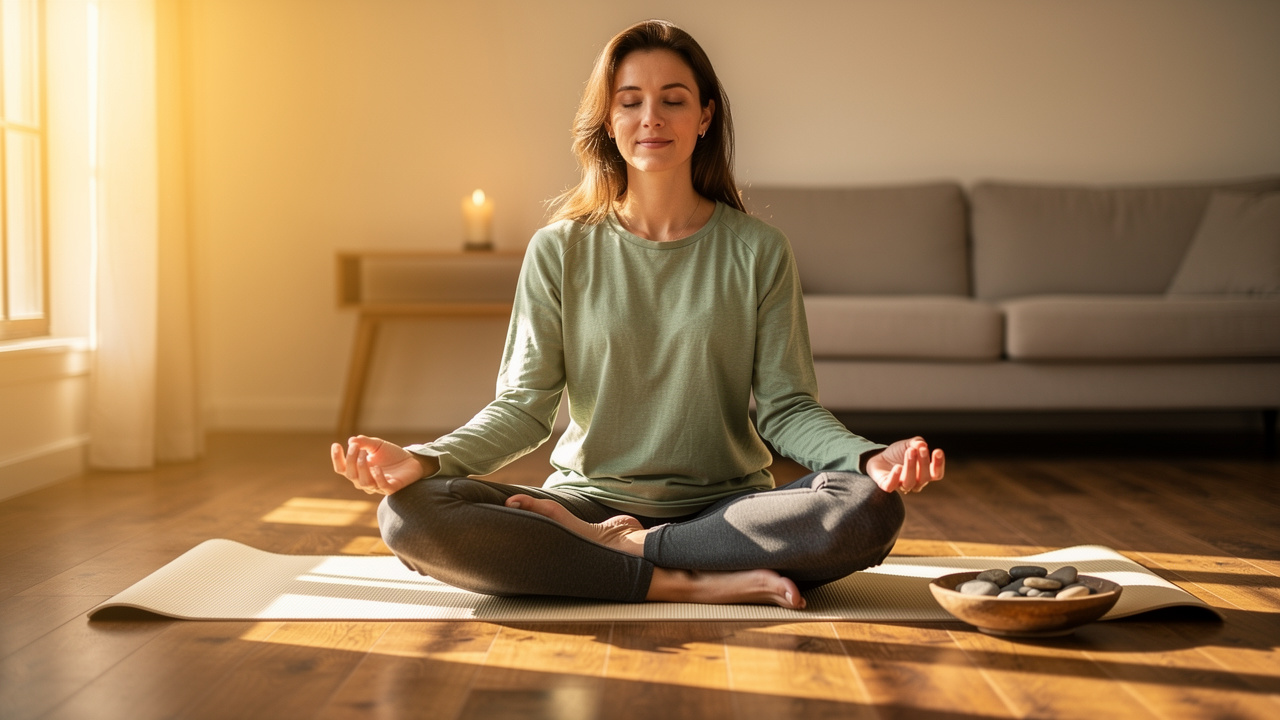
Chair‑based, bed‑based, and home‑based options all “count.” On days when standing feels too hard, gentle ankle circles, shoulder rolls, and guided breathing from Calming the Mind of Cancer still give your body movement and your mind a point of focus. The key is to pick what feels safe and realistic for you that day.
A quick overview of the three main types:
| Type Of Movement | What It Supports | Simple Examples |
|---|---|---|
| Light Aerobic Activity | Heart, lungs, circulation | Slow walking, easy indoor laps |
| Light Strength / Resistance | Muscles, bones, daily tasks | Chair stands, wall push‑ups, band work |
| Flexibility & Breath‑Led Work | Joints, nervous system, stress relief | Stretching, gentle yoga, Tai Chi‑style moves |
Walking: The Most Accessible Starting Point
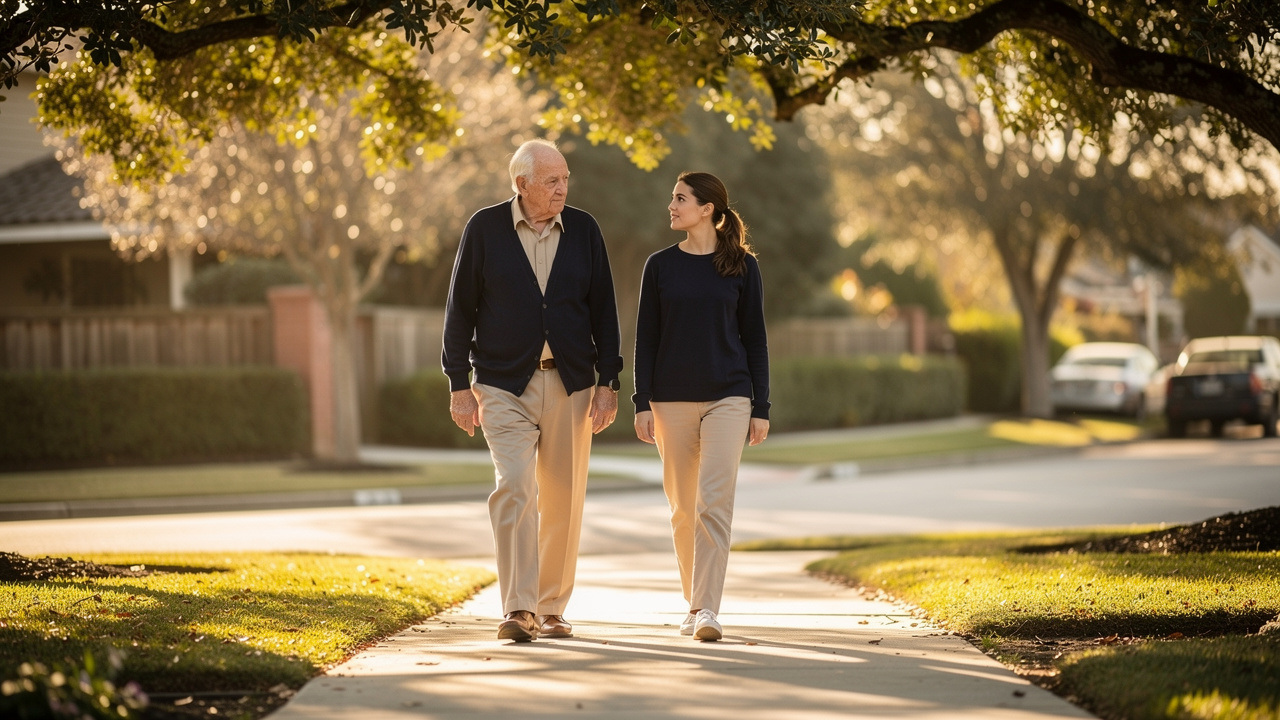
For many people, walking is the easiest and safest way to begin gentle movement during cancer. It is free, low impact, and can be done indoors or outdoors without any special skill. You can walk slowly, with pauses, and it still supports your heart, lungs, and circulation.
Starting small is often best. A five‑minute walk to the mailbox or down the hallway may be all your body has at first, and that is perfectly fine. Those short walks are a real form of physical activity for cancer support, not “less than” other kinds of exercise. Over time, you might add a second or third short walk each day as your energy allows.
If going outside feels hard, indoor options still work well. You might walk gentle laps around your home, an apartment hallway, or an indoor mall. Calming the Mind of Cancer offers mindful walking practices that link each step with your breath and simple sensory details. That way, walking for cancer recovery supports both your body and your mind at the same time.
A few simple tips for starting to walk:
Set a timer for 2–5 minutes instead of aiming for distance.
Choose a flat, clutter‑free route, such as a hallway or quiet sidewalk.
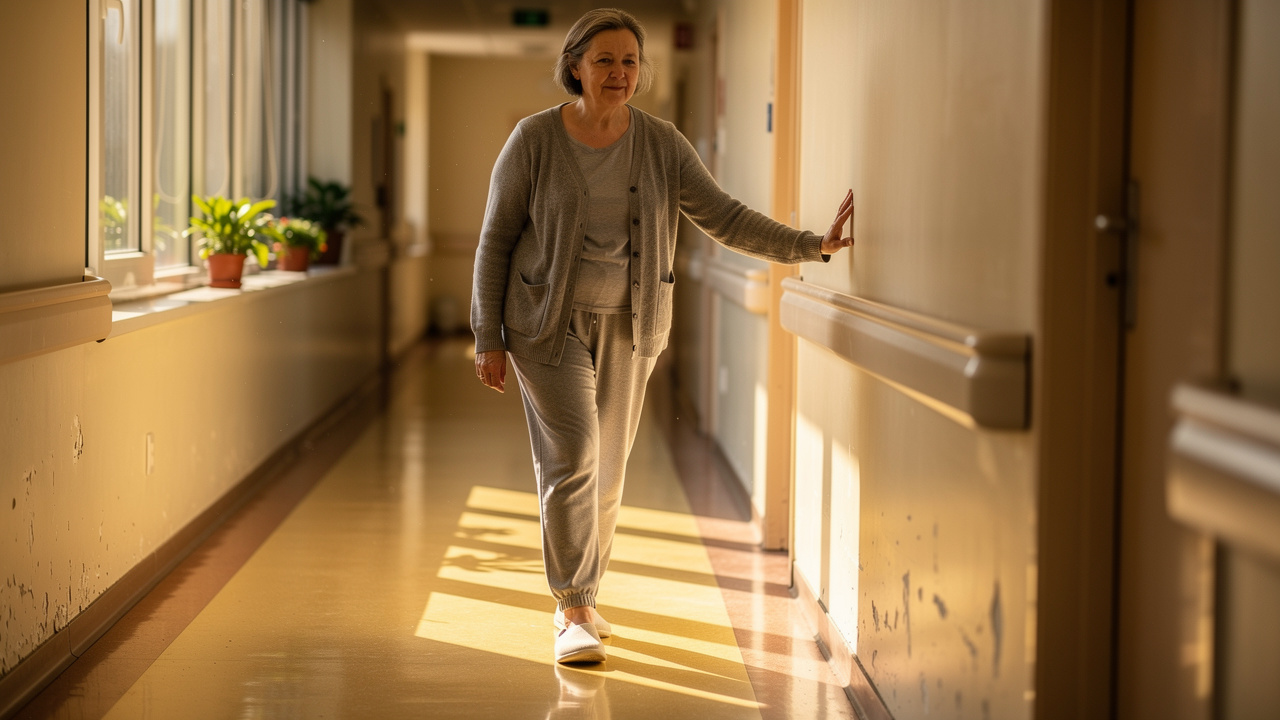
Hold on to a railing, wall, or stable furniture if balance is unsteady.
Pair walking with calm breathing, counting a few steps for each inhale and exhale.
Light Strength and Mobility Work
In addition to walking, light resistance training during cancer care helps protect muscles that treatment can slowly thin. Stronger muscles make daily tasks like getting out of a chair, showering, or carrying groceries feel a bit easier. This type of exercise during cancer treatment does not have to involve heavy weights.
Simple tools such as resistance bands or light hand weights are often enough. You might try:
Wall push‑ups
Seated leg lifts
Gentle biceps curls while sitting
Slow sit‑to‑stand movements from a stable chair
Chair exercises and slow range‑of‑motion movements are valid and effective, especially if standing feels risky. Even a few minutes of this kind of gentle movement during cancer can help you stay more steady.
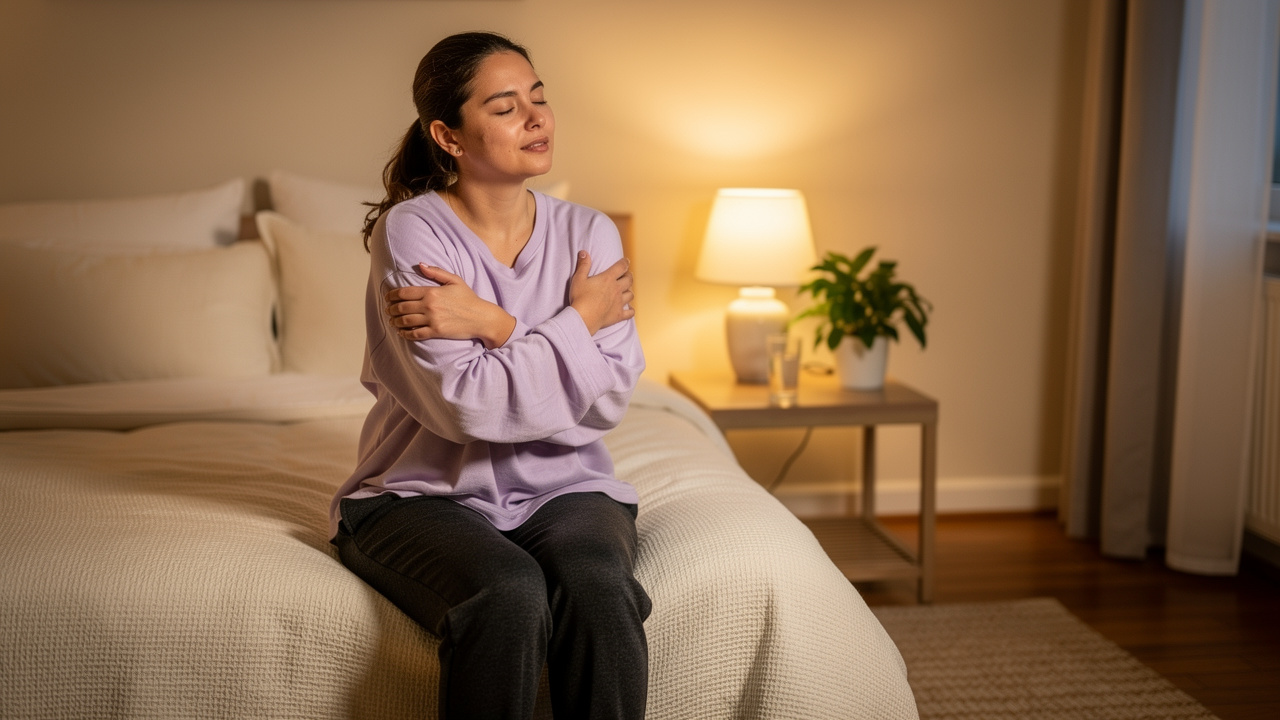
Flexibility work pairs well with strength. Soft stretching, breath‑led arm movements, gentle yoga, or Tai Chi all help your joints feel less stiff and your mind feel calmer. Calming the Mind of Cancer offers stretching and movement sequences that combine breath, awareness, and easy motions so you can support both body and mood together. For people living with lymphedema, newer research shows that carefully progressed resistance work can be safe and helpful, and a new study shows that physical demands of endurance activity can affect blood cell recovery in meaningful ways, underscoring why it is important to follow guidance from your care team.
How to Start Moving Without Overdoing It

Starting or returning to exercise during cancer treatment can feel overwhelming, especially if you were told to rest or you used to be more active. The goal now is not to hit fitness targets. The goal is to find gentle movement during cancer that supports healing without leaving you drained.
Your first step is to talk with your oncologist, nurse, or a physical therapist who understands exercise oncology and gentle movement. Ask what types of activity are safe for your diagnosis, treatment plan, and current blood counts. This gives you a clear, personal boundary so you do not have to guess.
When you do start, begin smaller than you think:
Try two to five minutes of slow walking or seated stretching.
Notice how you feel during the movement, one hour later, and the next day.
If you still feel okay, add another minute or a second short session.
This “short and steady” approach matters more than any weekly total.
On low‑energy days, habit stacking can help. You might:
Add a gentle stretch while the kettle heats.
Do slow shoulder rolls while brushing your teeth.
Take a very brief mindful walk to the mailbox or around your room.
Articles such as Healthy Lifestyle for Cancer Prevention: A Practical Guide and Persistence During Cancer: Gentle Ways to Keep Going offer more ideas for fitting small habits into daily life.
Breaking up movement is another helpful tool. Three ten‑minute walks, or even six five‑minute walks, can feel kinder than one long block of time. Many people also do better when they plan gentle movement during cancer around natural energy peaks, such as mid‑morning or after a nap. Keeping a simple note like “stretched 8 minutes” can remind you that you are supporting yourself, even on hard days.
The heart of this approach is kindness. Any movement you do is a win, not a test. Calming the Mind of Cancer invites you to notice and honor each small step, because those steps slowly protect your strength, confidence, and comfort.
Safety First: When to Rest and When to Move
While gentle movement during cancer is helpful for many people, safety always comes first. Your body is dealing with strong medicines, and some days movement may not be the right choice. Learning how to read your body’s signals can help you know when to move and when to rest.
There are clear times to pause activity and call your care team. Stop right away if you feel sudden dizziness, new or sharp pain, chest discomfort, or unusual shortness of breath. A fever, severe nausea, vomiting, or diarrhea are also signs that your body needs rest and medical input instead of exercise.
Certain medical situations require a very specific plan. If you have bone metastases, low blood counts, a high risk of falling, or an active infection, your team may suggest only supervised or very limited exercise during cancer treatment. This does not mean you can never move. It simply means you need clear, personal guidance.
You can think of your body’s signals in two simple groups:
Green Light means signs that gentle movement during cancer is likely okay. You might feel mildly tired but still able to talk and move without distress. Your breath may be slightly faster but settles quickly when you pause. In that case, slow walking or stretching may even help you feel better.
Red Light means signs that you should stop and rest. This includes chest tightness, trouble breathing, spinning sensations, or pain that feels sharp or worrying. It also includes any feeling that “something is not right.” In those moments, it is safer to pause movement and contact your care team.
A quick summary of these signals:
| Signal Type | Common Signs | What To Do |
|---|---|---|
| Green Light | Mild tiredness, steady breathing, no new pain | Continue gentle activity, pause as needed |
| Red Light | Chest pain, severe breathlessness, dizziness, sharp pain | Stop activity and contact your medical team |
At Calming the Mind of Cancer, safety, softness, and respect for your limits are always the starting point. Plans for gentle movement during cancer are meant to bend with you, not push you.
Conclusion
Gentle movement during cancer is not about being strong, tough, or productive. It is about supporting your body and mind with small, kind actions that fit the reality of treatment and recovery. A five‑minute walk, a few seated stretches, or slow arm movements with your breath all count.
These simple forms of exercise during cancer treatment can ease fatigue, lift mood, and help you feel a bit more steady inside your own skin. They also remind you that you still have choices, even in a time that often feels controlled by appointments and test results. You can start exactly where you are, with the energy you have today.
Calming the Mind of Cancer offers guided movement, mindfulness, and nutrition support to walk beside you in this process. When you are ready, explore resources like mindful walking, chair exercises, and quiet meditation practices designed to meet you gently, one step and one breath at a time.
FAQs
Is it safe to exercise during cancer treatment?
For most people, yes, as long as your medical team agrees. Cancer groups such as the American Society of Clinical Oncology (ASCO) now suggest some level of physical activity for cancer support for many patients and survivors. Your personal safety depends on your diagnosis, treatments, blood counts, and symptoms, so always ask your care team before you change your routine.
How does gentle movement help with cancer‑related fatigue?
Cancer‑related fatigue often does not improve with rest alone. Light movement improves circulation, supports better sleep, and triggers endorphins that lift energy and mood. Short, frequent sessions of gentle movement during cancer, even five to ten minutes, can break the cycle of weakness more effectively than staying still all day.
What if I am too tired or weak to walk outside?
You can still support your body with very soft exercise during cancer treatment at home. Options include laps around your living room, chair exercises, ankle circles, or gentle stretches in bed. Calming the Mind of Cancer offers guided sequences for these low‑energy days so that even two or three minutes of movement feel supported and safe.
Can movement support my mental health during cancer treatment?
Yes. Physical activity is a natural mood helper and can lower stress, anxiety, and feelings of depression. When you combine movement with mindful attention, like in walking meditation or breath‑led stretching, you give your mind a place to rest. Many people find that gentle movement during cancer helps them feel calmer and more grounded as they move through treatment.