
Introduction
On some nights, the house finally grows quiet, yet sleep still does not come. The caregiver sits in the car in the driveway, phone screen dim, hands wrapped around a cold steering wheel. Inside, they smile, make soup, track pills. Out here, tears fall in the dark where no one can see.
When cancer enters a home, it does not stay in one body. Routines shift, money tightens, tempers shorten, and the air inside the home can feel thick with worry. In the United States, millions of people now care for a loved one with cancer, and about 4.6 million do so at home. Behind each number stands a family that carries both love and stress. That mix of family stress and cancer support can either calm the room or make it feel even heavier.
The quiet truth is that the emotional climate of a home becomes part of cancer care. Fear, anger, and constant tension do not just weigh on caregivers. The person with cancer feels those ripples too, in the body and in the mind. This article offers a gentle space to explore that link without blame. It will share how stress in the family affects healing, how to notice caregiver burnout, and how rest, boundaries, and simple practices can ease the load for everyone. This article is not about being a perfect caregiver. It is about being a human one.
Key Takeaways
These simple points show the heart of this guide.
Family stress touches everyone in a home with cancer. Tense rooms raise anxiety and can drain hope. A calmer home can support better coping.
Caregiver burnout and compassion fatigue are common, not personal flaws. They show up as deep tiredness, mood swings, or numbness. Early care, rest, and shared roles can ease them.
Self care for caregivers—from sleep to small bites of quiet—supports family stress and cancer support as a whole. A rested mind shows more patience. Calming the Mind of Cancer shares simple meditation and nutrition tools.
How Family Stress Shapes The Healing Environment
Every home has a certain feel. Some days it holds soft voices, shared smiles, and a sense that hard things can be faced together. Other days it holds tight jaws, closed doors, and heavy silence. For a person with cancer, that emotional air matters almost as much as the temperature in the room.
Specialists in psycho-oncology see this link every day. Strong family support lines up with better mood and better coping for patients. When the people around a patient feel steady, the patient tends to feel safer, ask more questions, and take a more active role in care. When family stress rises and no one speaks about it, the patient often senses it anyway and may feel more alone or even like a burden.
“Cancer does not happen to one person; it happens to a family.”
— Oncology social worker
Researchers describe two main styles that people use when they face serious illness. These styles do not show who is strong or weak. They simply name how a mind responds to pressure.
Problem focused coping means the person turns toward the issue and looks for steps to take. A patient may read about treatments, write questions for the doctor, or work with family to plan rides and meals. Studies suggest that people with strong family support are more than twelve times more likely to use this active style.
Emotion focused coping means the person works mainly with feelings instead of the facts of the illness. This can include honest tears and comfort from others, which can help, yet it can also slide into denial, withdrawal, or magical thinking. When stress in the home stays high, it is easier to lean only on this style and harder to take practical steps.
Good family support, within a calmer and kinder home, relates to lower anxiety for patients. In simple terms, when family stress and cancer support move in a healthier direction, worry tends to drop. This idea does not ask caregivers to be calm at every moment. It invites them to see that their own care, rest, and support sit at the very center of the healing space, not at the edge. Guides such as Psychological Benefits of Cancer Support for Families explore this bond in more depth and can offer added comfort.
The Weight Caregivers Carry Recognizing Burnout And Compassion Fatigue
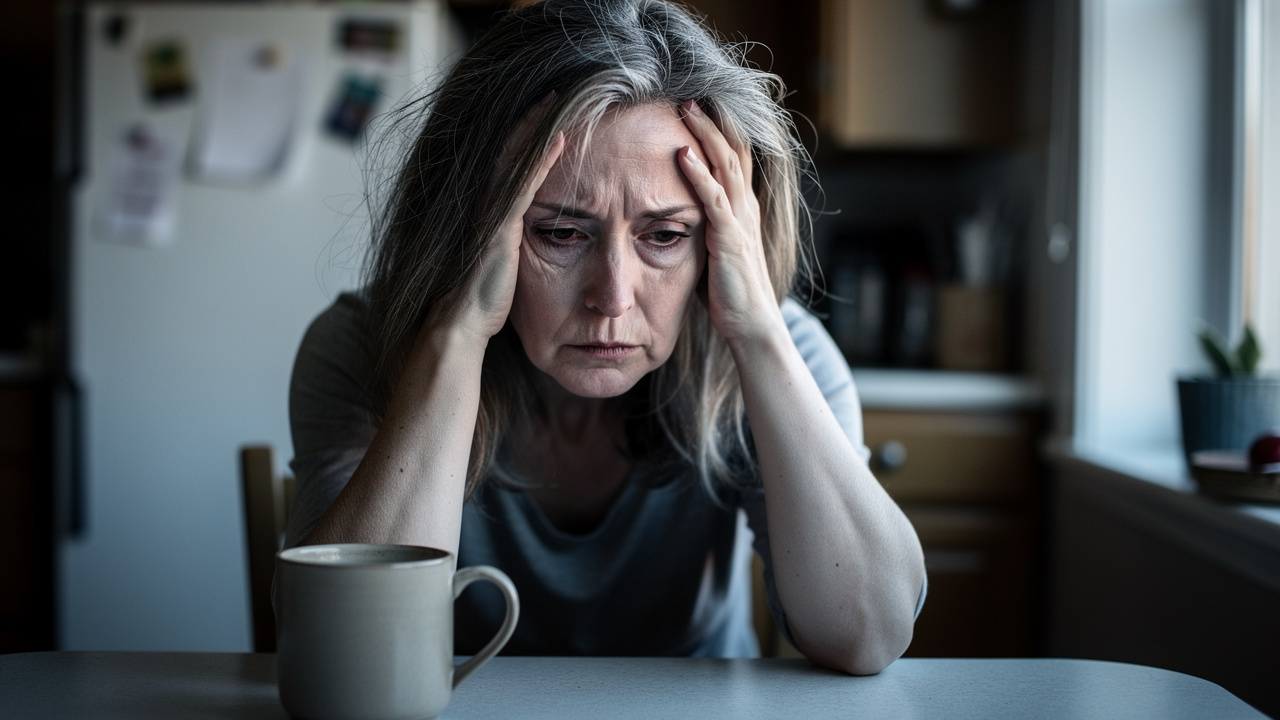
Caregivers often carry more than they admit. Caregiver burnout describes deep physical, emotional, and mental exhaustion after long periods of high demand. It can appear even when the caregiver loves the person deeply and wants to help. Burnout does not mean the caregiver failed. It means the load has grown too heavy for one set of shoulders.
Compassion fatigue sits close to burnout yet feels slightly different. It grows when a caregiver faces a loved one’s pain day after day and pulls that pain inside their own body and mind. Over time, the heart that once felt open can start to feel numb or quickly irritated. Studies suggest that many cancer caregivers live with depression and very high emotional stress, so this is a wide concern, not a private flaw.
“I love my mom more than anything, but some days I am so tired I barely recognize myself.”
— Caregiver, Calming the Mind of Cancer community
The body usually speaks before the mind does. Early signs of burnout and compassion fatigue often show up in small daily ways. Noticing them early can protect both the caregiver and the person with cancer.
Persistent fatigue that sleep does not fix is a clear warning sign. The caregiver may wake up as tired as when they went to bed. This kind of tiredness comes from emotional strain as much as from long hours.
Irritability or emotional numbness can creep in. A caregiver may snap over small things or feel nothing at all. Both patterns show that the nervous system now runs on overload.
Withdrawal from friends, hobbies, or faith communities can signal that the caregiver has no energy left for anything beyond basic tasks. The world may grow very small. That shrinking circle cuts off sources of comfort that could refill the inner well.
Feelings of resentment, guilt, or hopelessness may appear, often mixed together. A caregiver might think, I should not feel this way, which leads to more shame. In truth, these feelings are human responses to long term strain, not signs of poor character.
Neglect of personal health needs, such as skipped meals or ignored medical visits, shows that the caregiver has turned away from their own body. The focus sits only on the patient. Over time, this pattern hurts both people.
Recognizing burnout is not the same as giving up. It is the first brave step of self awareness that says, My health matters here too. From that point, new choices such as rest, shared duties, or outside help can start to come into view, as explored in resources like Courage During Cancer with Quiet Inner Strength.
When To Seek Professional Mental Health Support
Sometimes even strong families and solid self care tools do not feel like enough. Thoughts circle at night, tears sit close to the surface, or life starts to lose color. In those moments, professional mental health support can act as another member of the care team rather than a last step.
Consider reaching out for professional help when:
Lasting sadness or worry does not ease for more than two weeks. If almost nothing brings joy or relief, this points toward depression, not simple stress. A therapist can offer skills and care that friends and family alone cannot provide.
Daily tasks become hard, such as going to work, driving safely, or caring for children. When basic life pieces begin to slip, outside support can steady the ground. Early help often keeps a hard season from growing even harder.
Any thoughts of self harm, or a sense that life has no value, appear. These thoughts deserve fast, skilled care, not silence. In that case, crisis lines, emergency services, or urgent visits with mental health staff are very important.
Many cancer centers include oncology social workers and psycho-oncology specialists who understand this kind of strain in the context of family stress and cancer support. Community therapists, faith based counselors, and caregiver support groups can also help. Reaching out for this type of care is a sign of strength and love, not failure.
Building A Calmer Home Communication Boundaries And Shared Roles
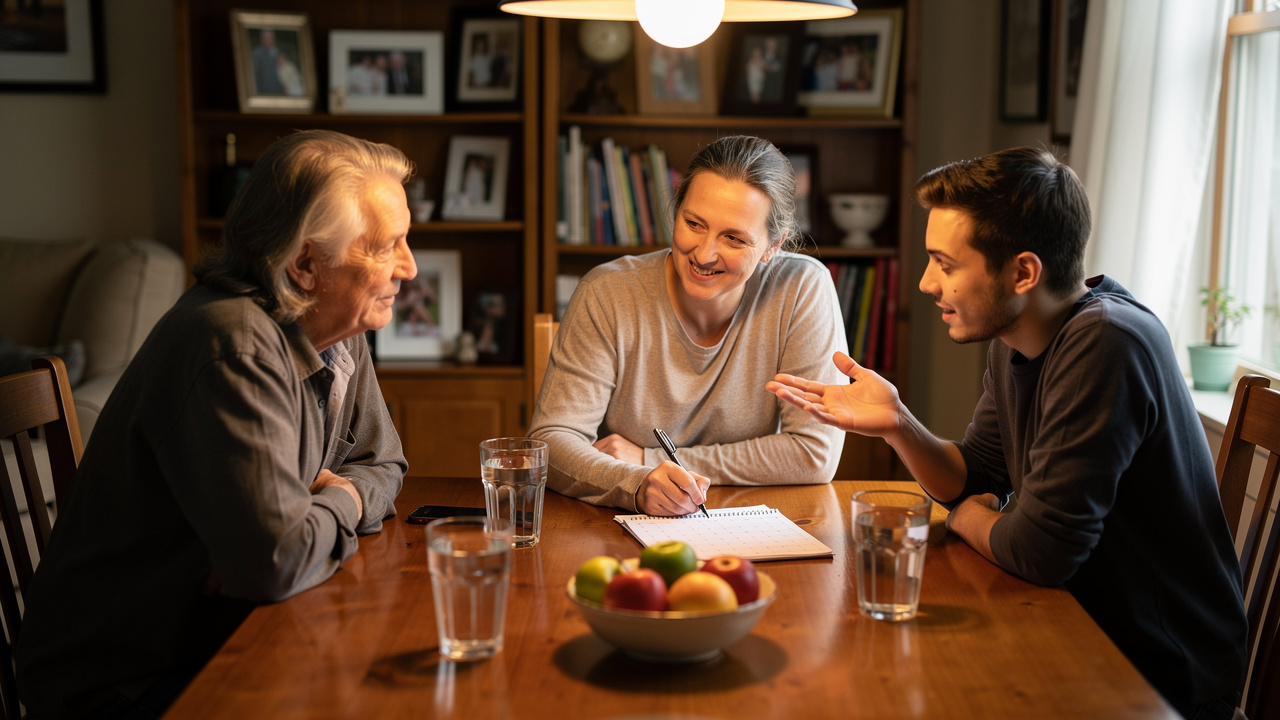
When cancer changes a family, roles rarely stay the same. The person who once handled money may now focus on treatment, while another person tries to manage both work and the home. This disruption feels hard, yet it is also normal. A calmer home grows not from perfect control but from honest teamwork.
Open, kind communication forms the base of that teamwork. Fear often tells people to stay silent in order to protect each other, yet silence can increase distance. Simple questions such as What has been the hardest part of this week for you or How can I make today a little easier can open gentle doors. A caregiver might also say, I am struggling too, can we talk about it so that pain does not stay hidden.
Practical structures can lighten the mental load and reduce daily confusion:
Weekly family check-ins give everyone a short, low pressure space to share needs and plans. Each person can name what they can do and what feels too heavy. Over time, this habit makes it easier to speak up before stress turns into anger.
A shared digital calendar or simple wall chart keeps appointments, medication times, rides, and chores in one clear place. When tasks appear on a shared list, they belong to the group instead of to one silent hero. Other relatives or friends can then see where they can step in.
Healthy boundaries protect each person while they give care. It is kind to say, I cannot do this alone or I need a break on Saturday, can someone else stay with Dad. These sentences do not show selfishness. They show respect for limits so that care can last over months and years without breaking the caregiver.
Conflict still happens in loving homes. Stress, fear, and past patterns can spark sharp words or old arguments. When disagreements circle the same themes or feel stuck, a family therapist or oncology social worker can guide a calmer talk. Children and teens also watch and absorb the tone in the home, so age suited honesty and chances to help with small tasks can ease their fear and sense of isolation.
A home where everyone is heard is a home where healing has more room to grow.
Resources such as Support During Cancer with a Compassionate Guide offer more ideas to keep family stress and cancer support in better balance.
Rest Nourishment And Mindfulness The Caregiver Non-Negotiables

People often say that you cannot pour from an empty vessel. For caregivers, this is not only a nice phrase. It reflects how the body and brain work under stress. Without rest, food, and moments of steady breath, the whole system starts to fray.
Sleep forms one of the strongest protectors against burnout. Chronic lack of sleep changes mood, weakens memory, and lowers the immune system that both patients and caregivers rely on. Small steps can help, such as:
setting a regular time to turn off screens
keeping the bedroom dark and cool
asking another family member to handle one late night task a few times each week
Even one extra hour of true rest can shift the tone of a day.
Nutrition gives the body fuel for this long, demanding season. Many caregivers skip meals, grab snacks from vending machines, or eat only late at night once everyone else lies down. Over time, blood sugar swings and stomach issues add to the sense of overload.
Aim for regular, balanced meals, even if they are simple. A bowl of soup, a piece of fruit, and a handful of nuts can go a long way. The key is steady fuel, not perfection.
Drink water through the day, since even mild dehydration worsens headaches and fatigue. Keeping a bottle near the bed or in the car can serve as a gentle reminder. Each small sip supports the body more than most people realize.
Notice stress eating patterns such as constant sweets or salty snacks. Instead of harsh self blame, pause and ask what feeling sits under the urge to eat. That moment of awareness often opens space for a kinder choice.
Choose foods that give steady energy, such as whole grains, beans, vegetables, and healthy fats. These foods support mood and focus during long appointments or hard nights. They also fit well with the nutritional guidance shared through Calming the Mind of Cancer.
Mindfulness and meditation offer care for the inner world. Even five to ten minutes of quiet breath, body scan, or simple sound focus can lower stress hormones and ease racing thoughts. Calming the Mind of Cancer teaches practices such as Om Meditation that suit both patients and caregivers. These practices do not require special skills. They invite the mind to rest for a short time, which then makes it easier to meet the next task.
“Ten minutes of breathing felt selfish at first, until I noticed I was kinder the rest of the day.”
— Caregiver, Calming the Mind of Cancer community
Gentle movement also helps. A short walk around the block, stretching beside the bed, or a few slow steps in the hallway can release built up tension. The goal is not intense exercise but a chance for the body to reset.
Many caregivers say no when others offer help. They fear that no one else can do the task right, or they worry about burdening family and friends. Yet saying yes to a meal, a ride, or a few hours of respite gives the caregiver a chance to breathe. Guides such as Hope During Cancer Gentle Ways to Find Light remind readers that accepting help is an act of wisdom, not weakness, and it strengthens family stress and cancer support for the long term.
How Calming The Mind Of Cancer Supports The Whole Family

No one should have to face cancer alone. That includes the people who drive to appointments, cook late at night, and sit in waiting rooms with hands folded tight. Calming the Mind of Cancer exists to support this full circle of care, not only the person with the diagnosis.
Calming the Mind of Cancer offers a compassionate and accessible platform for caregivers and family members who support someone with cancer. It rests on two main pillars that work together for better family stress and cancer support:
Mindfulness and meditation, including simple practices such as Om Meditation, designed to ease anxiety and steady the nervous system
Evidence based nutritional guidance that helps caregivers keep their own bodies strong while they give so much of their time and heart
The platform also shares stress reduction and mental wellness programs that speak directly to the emotional load caregivers carry. These resources draw on both ancient spiritual practice and modern science to support the whole person. Many of the holistic cancer support strategies serve the entire family unit, so that everyone in the home benefits from a calmer, more grounded atmosphere.
Calming the Mind of Cancer does not ask caregivers to add heavy new tasks. It offers small, realistic steps that fit into real lives. Caring for yourself is how you care better for the one you love.
Conclusion
Caregiving for someone with cancer is an act of deep love. It is also an act that can drain the body and heart when it goes on without enough support. The quiet tears in the car, the skipped meals, the tired smile caregivers wear at the bedside all tell the same story. No one can hold this weight alone forever.
The message of this guide is simple. Caring for yourself is not a betrayal of your loved one. It is an act of love for them as well. When caregivers rest, eat, breathe, and speak honestly, family stress and cancer support grow healthier for everyone in the home. The patient feels more secure, children feel less confused, and the house holds a little more peace.
Remember the main steps:
Notice burnout signs early.
Speak with one another and set kind boundaries.
Accept help and, when needed, seek professional support without shame.
A calmer caregiver creates a calmer home, and a calmer home gives healing more room to rise. You are not just a caregiver. You are a person who deserves care too. If this message touches your own life, consider exploring the gentle resources at Calming the Mind of Cancer for steady support.
FAQs
What Is Caregiver Burnout And How Do I Know If I Am Experiencing It?
Caregiver burnout is a state of long term physical, emotional, and mental exhaustion that grows from constant care demands. Signs include deep fatigue that rest does not fix, irritability, and a sense of numbness or disconnection. Some people pull away from friends and lose interest in things they once enjoyed. If this sounds familiar, it may be time to ask for more support.
How Does Family Stress Affect A Cancer Patient’s Recovery?
Family stress shapes the emotional air around a person with cancer. High tension in the home can raise the patient’s anxiety and make it harder to use active coping skills. Research shows that strong family support links with lower anxiety and better problem focused coping. In simple terms, a calmer home and steady family stress and cancer support make it easier for the body and mind to focus on healing.
How Can Caregivers Manage Stress While Still Showing Up For Their Loved One?
Caregiving and self care do not sit on opposite sides. They depend on each other. Caregivers can lower stress by protecting sleep, eating regular meals, and sharing tasks with other family members or friends. Short daily practices such as breath work or Om Meditation also help calm the nervous system. Calming the Mind of Cancer offers meditation and nutrition tools that fit into real caregiving lives.
Is It Normal To Feel Angry Resentful Or Emotionally Detached As A Caregiver?
Yes, these feelings are common and very human under long, high pressure care. Anger or resentment often show that the load has grown too heavy or that needs have gone unheard. Emotional distance can appear when the heart feels flooded and has no more space to feel. These reactions do not make anyone a bad caregiver. They signal a need for rest, honest talks, and often support from a counselor or group that understands family stress and cancer support.